Wondering if you can live in Minneapolis without relying on your car for every single trip? In Longfellow, that idea feels a lot more practical than many buyers expect. If you want a neighborhood where transit, trails, and everyday errands can fit into your routine more naturally, this guide will help you see why Longfellow stands out. Let’s dive in.
Why Longfellow Works for Car-Light Living
Longfellow sits in a very useful spot in south Minneapolis. The neighborhood is bounded by the Midtown Greenway on the north, 38th Avenue South on the east, 34th Street East on the south, and Hiawatha Avenue on the west. That puts you next to a major trail, close to light rail, and near park and river spaces that support short trips without a car.
The broader Greater Longfellow area includes about 21,000 residents, 7,000 households, and more than 450 businesses. That scale matters because car-light living works best when daily destinations are spread throughout the neighborhood rather than concentrated in one small pocket. In Longfellow, the basic ingredients are already in place.
The Longfellow Community Council also notes that the neighborhood includes part of the Mississippi River Gorge. That adds more than scenery. It supports the kind of place where walking, biking, and spending time outdoors can become part of your normal weekly rhythm.
Blue Line Access Shapes Daily Life
One of Longfellow’s biggest advantages is access to the METRO Blue Line. Nearby stations include 38th Street, 46th Street, and 50th Street/Minnehaha Park, with Lake Street/Midtown just north of the neighborhood. That gives you multiple options for reaching destinations without starting every trip in your driveway.
The neighborhood council says the Hiawatha light-rail line links Longfellow to downtown Minneapolis, MSP International Airport, and the Mall of America. For many buyers, that kind of connection changes what “convenient” means. You may still own a car, but you do not have to use it for every commute, event, or airport run.
This is not just a future-looking idea. The Longfellow Community Council says more than 30% of residents bike, walk, or use public transit to get to work. In other words, multimodal travel is already part of the neighborhood’s everyday pattern.
Trails Make Bike-First Routines Easier
Longfellow’s trail access is a major part of its appeal. The Minneapolis Park and Recreation Board says the Midtown Greenway Regional Trail runs 5.9 miles from the Mississippi River to the western boundary of Minneapolis and connects to the Cedar Lake Regional Trail. That creates a strong east-west route for people who prefer to ride rather than drive.
The same trail system also includes major links like Minnehaha Parkway Regional Trail and West River Parkway. Together, these routes make it easier to picture a bike being useful for more than recreation. In Longfellow, a ride can be part of your commute, your errand loop, or your weekend plans.
Transit and biking also work together here. Metro Transit says all buses and METRO lines and trains have free bicycle racks. That flexibility can make a car-light routine feel much more realistic, especially if you like mixing short rides with train or bus trips.
Winter matters too in Minnesota, and this is where Longfellow stays practical. The Park Board notes that paved trails are maintained for winter use and that trail-plowing information is updated frequently. That does not mean every day will feel easy, but it does mean the city’s trail network is meant to function beyond warm-weather months.
Everyday Errands Can Stack Together
A car-light lifestyle usually falls apart when basic errands are spread too far apart. Longfellow has a better setup than many people realize. Greater Longfellow’s neighborhood resources describe a variety of shopping, dining, and entertainment options, and the business guide points to many locally owned businesses offering a wide range of goods and services.
The dining guide alone lists 60 places to eat and drink in Greater Longfellow. More importantly for daily life, the Longfellow Business Directory includes categories such as grocery stores, pharmacies, hardware, and bike sales and service. That tells you the neighborhood supports more than social outings.
For a buyer, this means you can think in clusters. A quick trip might include groceries, a pharmacy stop, and coffee on the way home. When a neighborhood lets you combine errands into one walk, ride, or transit trip, car-light living becomes less of a goal and more of a routine.
Street Design Supports Slower Blocks
The way a neighborhood is built affects how it feels to move through it. Minneapolis describes Urban Neighborhood streets as local residential streets with low traffic volumes that provide access to residences, parks, and schools. The city also says these streets are not intended for through motor-vehicle trips.
That planning framework fits Longfellow well. If you are looking for a neighborhood where local blocks feel more geared toward access than speed, this matters. It helps explain why the area can feel more comfortable for walking, biking, and short neighborhood trips.
The city’s alley guidance adds another layer. Alleys are most common in Urban Neighborhood areas and are designed as low-speed shared spaces used for property access, loading, and waste collection. In practical terms, that rear-lane pattern supports a streetscape where front blocks are less dominated by vehicle movement.
Longfellow Homes Fit the Lifestyle
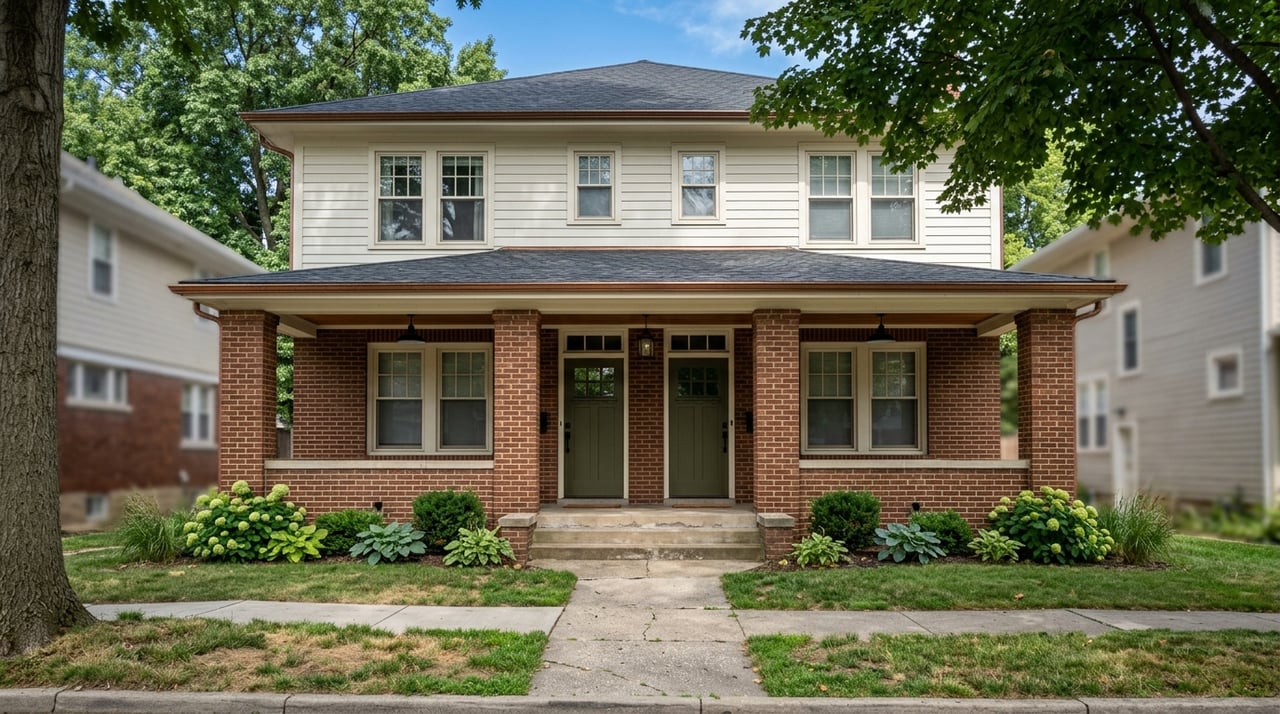
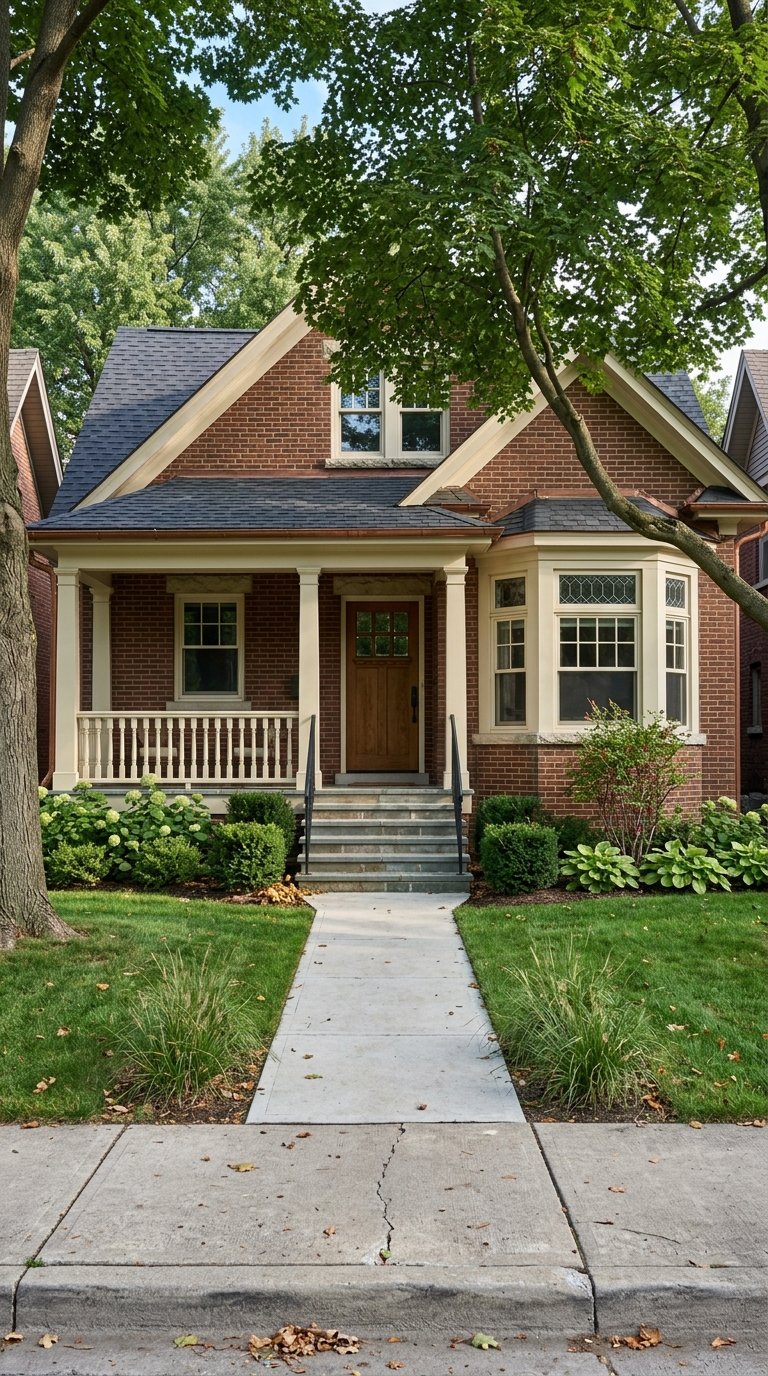
Longfellow’s housing character and car-light appeal often go hand in hand. The neighborhood is known for charming bungalows and Craftsman-style homes, and a neighborhood action-plan review described a stock of well-preserved Craftsman-era bungalows. If you are drawn to older homes, Longfellow offers a strong sense of continuity between architecture and neighborhood form.
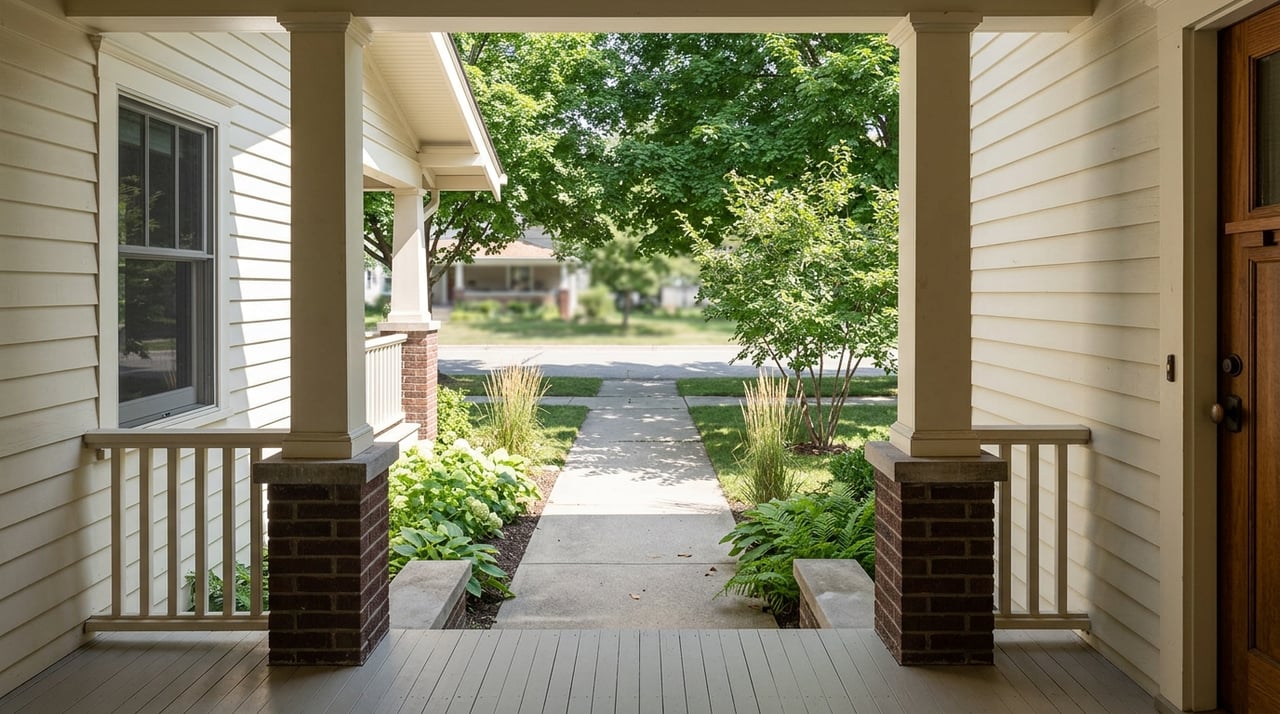
These smaller historic homes often sit on blocks that feel established, walkable, and connected to nearby destinations. That does not guarantee a car-free life, of course. But it does create the kind of setting where a front walk, a bike in the garage, and a quick rail trip all make sense together.
There is also a strong culture of stewardship here. The neighborhood council references a Longfellow Plan Book with remodeling plans for bungalows and other small homes. For buyers who love character homes, that preservation-minded attitude can be a meaningful part of the neighborhood’s identity.
Planning History Still Matters
Longfellow’s car-light strengths are not accidental. A 2003 neighborhood action-plan review called for encouraging transit-oriented development throughout Longfellow and for more pedestrian and bike use in light-rail station areas. That tells you the neighborhood has long been thinking about how homes, stations, and local movement fit together.
Current development discussions continue in a similar direction, including bike- and transit-oriented projects and affordable apartment proposals. For buyers and owners, that planning context matters because it suggests the neighborhood’s basic transportation logic is likely to remain an important part of its identity.
What Buyers Should Think About
If car-light living is high on your wish list, Longfellow is worth looking at with a practical eye. Not every block will feel the same, and not every household will use transit or biking in the same way. The key is to match the home’s location to the routines you actually want to build.
As you compare homes, think about questions like these:
- How close do you want to be to a Blue Line station?
- Would regular access to the Midtown Greenway change your weekly routine?
- Do you want errands to be walkable, bikeable, or both?
- How much does proximity to parks and river trails matter to you?
- Are you looking for a bungalow or other character home that fits a lower-car lifestyle?
For many buyers, Longfellow works best because it offers layers of convenience rather than one single selling point. You have rail access, a strong trail network, local businesses, and a housing pattern that supports neighborhood-scale movement. That combination is what gives the area its real staying power.
Why This Matters for Long-Term Value
Neighborhoods that support more than one way of getting around often appeal to a wide range of buyers. Some people want to reduce commuting costs. Some want easier airport access. Others simply want a lifestyle where biking to a trail or walking to a nearby stop feels normal.
In Longfellow, that flexibility pairs especially well with older homes that have architectural character. If you are buying a bungalow or preparing to sell one, the neighborhood story is not just about the house itself. It is also about how the location supports daily life in a way that feels connected, practical, and distinctly Minneapolis.
If you are thinking about buying or selling in Longfellow and want guidance that balances neighborhood insight with old-home practicality, Claire Johnston can help you evaluate the block, the housing stock, and the lifestyle fit with a clear local lens.
FAQs
Is Longfellow Minneapolis a good neighborhood for car-light living?
- Yes. Longfellow combines Blue Line access, major trails like the Midtown Greenway, and a mix of nearby businesses that can support daily trips without using a car every time.
What transit options are near Longfellow Minneapolis?
- Nearby METRO Blue Line stations include 38th Street, 46th Street, and 50th Street/Minnehaha Park, with Lake Street/Midtown just north of the neighborhood.
Can you bike easily from Longfellow Minneapolis?
- Yes. Longfellow is next to the Midtown Greenway and also connects well to routes like Minnehaha Parkway Regional Trail and West River Parkway.
What kinds of errands can you do in Greater Longfellow Minneapolis?
- Neighborhood business resources show categories such as grocery stores, pharmacies, hardware, bike sales and service, plus many dining options.
What types of homes are common in Longfellow Minneapolis?
- Longfellow is known for bungalows and Craftsman-style homes, with a strong tradition of preservation and remodeling of older small-home stock.