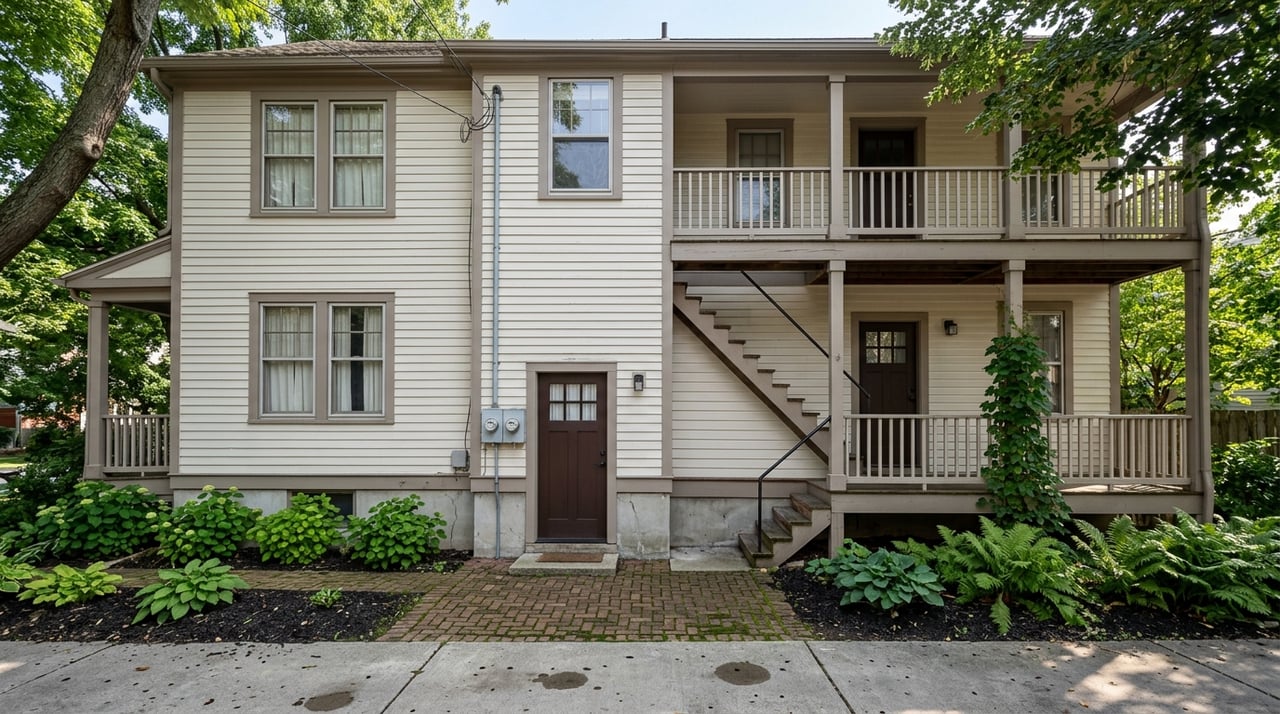
Wondering if a Longfellow duplex or triplex could help you buy into the neighborhood while offsetting your housing costs? That idea appeals to a lot of buyers here, especially if you love older homes and do not mind a little complexity. In Longfellow, house hacking can work well, but it tends to work best when you pair the charm of vintage housing with a realistic plan for repairs, licensing, and reserves. Let’s dive in.
Why Longfellow fits house hacking
Longfellow has long been associated with older housing, resident-led neighborhood improvement, and a strong emphasis on maintaining the existing housing stock. The Longfellow Community Council represents Longfellow, Cooper, Howe, and Hiawatha, and its neighborhood work reflects that long-running focus on housing quality and rehabilitation.
That matters if you are looking at duplexes and triplexes. A historical neighborhood housing report found that Longfellow had a large number of older homes and small multifamily properties, including 835 duplex units, with 60% of homes built before 1939. While those figures are older, they still help explain why Longfellow is often tied to character housing and value-add opportunities, according to the University of Minnesota housing report.
More recent city research points in the same direction. In Minneapolis rent-stabilization research, Longfellow’s average rental building age was 92.2 years, and citywide duplex and triplex rentals were older still, averaging 101.8 years, with 97.9% built before 1980. The city research report supports what many buyers already sense on a walkthrough: these are often older, character-rich buildings, not standardized newer construction.
What house hacking means here
In simple terms, house hacking usually means you live in one unit and rent out the others to help cover your mortgage and operating costs. In Longfellow, that often means buying an older duplex or triplex with enough income potential to improve your monthly budget while you build equity.
The neighborhood’s housing profile makes this strategy appealing, but it also adds a layer of responsibility. Many small multifamily properties here are likely to have older systems, less standardized layouts, and updates completed over different eras. That does not make them bad investments. It just means your success often depends on careful underwriting and practical expectations.
What to expect from older duplexes
If you are shopping Longfellow duplexes and triplexes, expect age to shape the experience. Based on the city’s age data and the neighborhood’s older housing profile, many properties are likely to include legacy systems, adapted floor plans, older finishes, and building quirks that newer construction simply does not have.
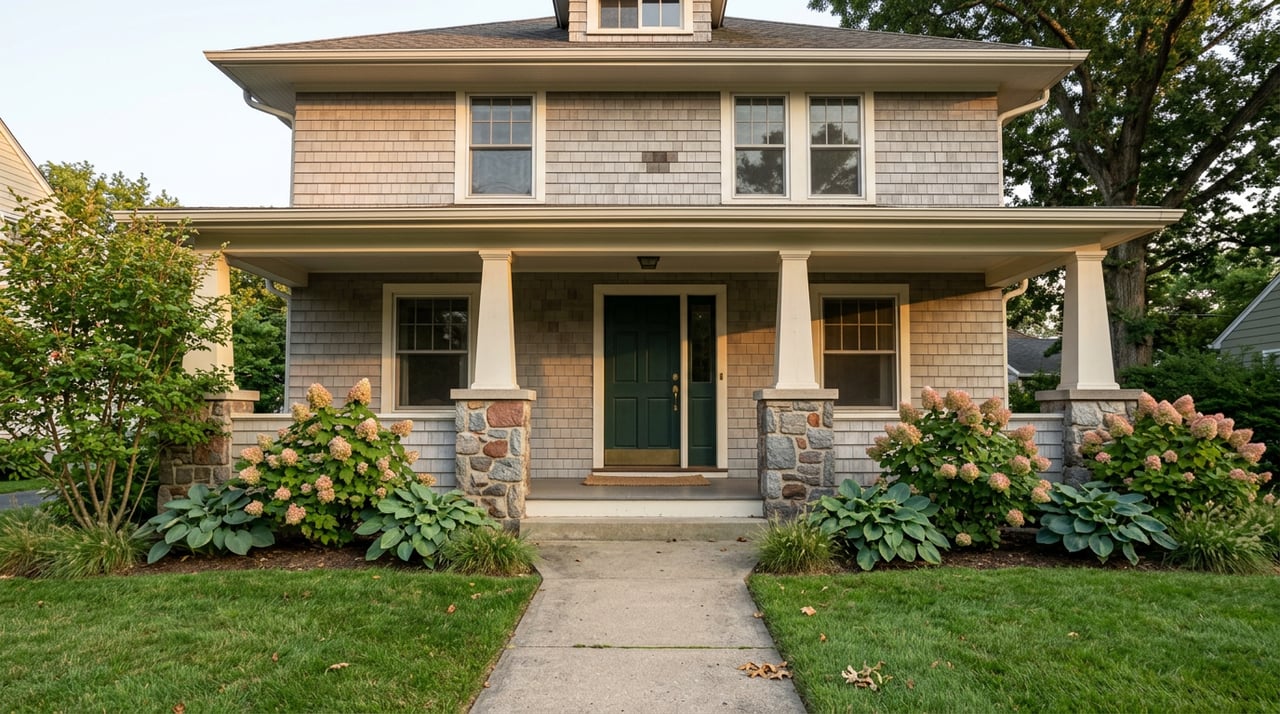
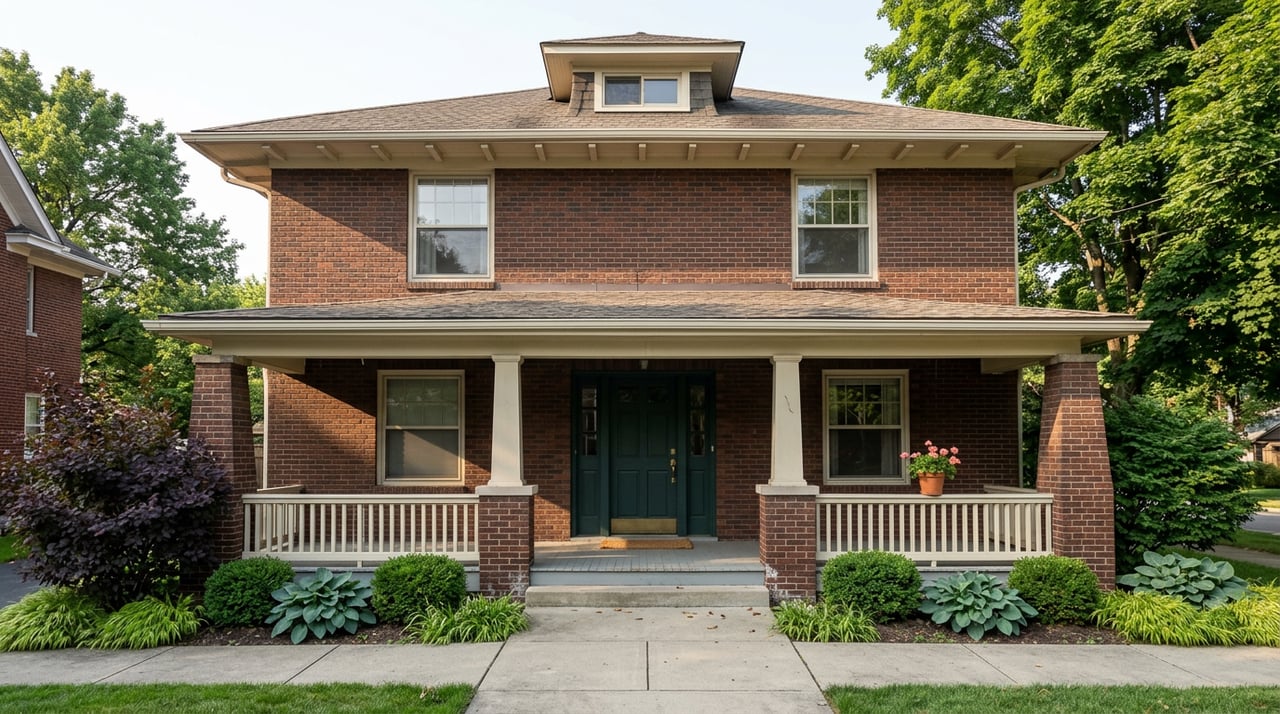
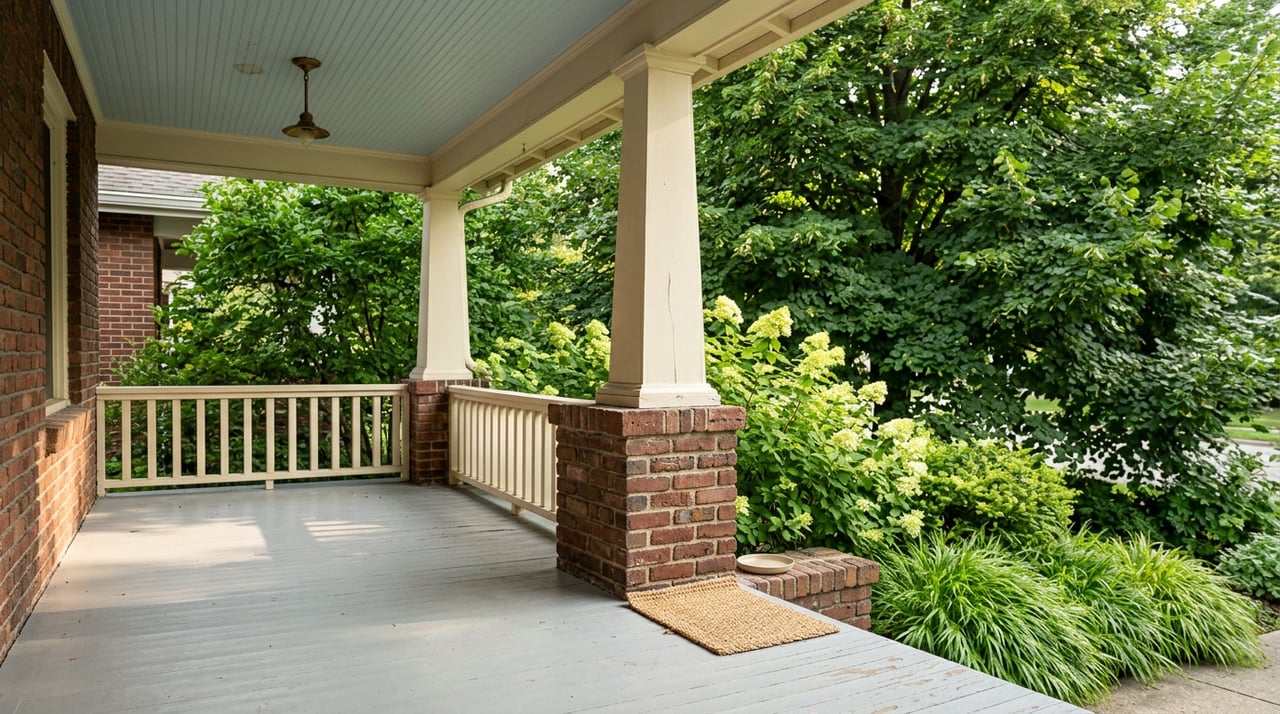
Longfellow is also locally described as an area with many older bungalows and Craftsman-style homes on the community’s home-improvement page. For buyers who appreciate original character, that is part of the draw. For house hackers, it also means you should walk into the process with a stewardship mindset, not a turnkey mindset.
Common practical realities
When you tour an older duplex or triplex in Longfellow, keep an eye on:
- Shared or aging mechanical systems
- Older roofs and foundations
- Sewer line concerns
- Moisture or flooding issues
- Lead, radon, or asbestos mitigation needs
- Unit layouts that may have changed over time
- Deferred maintenance hidden behind cosmetic updates
These are not unusual red flags in older Minneapolis housing. They are normal due diligence items.
Budget beyond the mortgage
A smart house-hack budget in Longfellow needs to go further than principal, interest, taxes, and insurance. You should also plan for repairs, compliance costs, vacancy risk, and reserves for older building systems.
The most useful local guidance comes from existing repair programs. The Longfellow Community Council’s Open Citation and Emergency Repair Grant lists examples such as leaking roofs, sewer line work, foundation repair, radon, lead, asbestos mitigation, no heat or hot water, and flooding repairs. That list is a helpful shorthand for the kinds of expenses that can show up in this housing stock.
The city’s Healthy Homes resources also highlight common needs in older homes, including lead-paint support, radon testing and mitigation, and weatherization. Minneapolis defines weatherization as work that can improve comfort, efficiency, and affordability by reducing air leakage, adding insulation, controlling moisture, and improving ventilation and heating performance.
Reserve items to plan for
Your reserve fund should account for:
- Roofing and exterior envelope repairs
- Heating and hot water equipment
- Sewer and drainage work
- Foundation or structural repairs
- Lead and radon testing or mitigation
- Moisture control and insulation upgrades
- Interior updates between tenants
If you plan to owner-occupy, there may also be targeted support available. Minneapolis offers a private sewer lateral grant for single-family, duplex, and triplex homes, with owner-occupancy required in one unit for duplexes and triplexes.
Understand Minneapolis rental rules
A house hack is not just a buying decision. It is also an ownership and compliance decision. Minneapolis states that every rental property must have a license, which makes this a key part of your planning from day one.
According to the city’s licenses, permits, and inspections guidance, a new owner must apply for a rental license within 60 days of closing. The city also notes a $450 change-of-ownership inspection fee for duplexes, triplexes, and fourplexes. If a property is converted to rental or has been unlicensed for 12 months, a $1,000 conversion inspection fee may apply.
If you are thinking about converting an existing structure into a duplex or triplex, the city has a formal process. The proposed use must be allowed, zoning staff should verify eligibility, zoning standards may require one parking space per dwelling unit, and housing-code requirements plus a rental license must be met, according to the city’s conversion handout.
Use city tools before you buy
One of the best ways to reduce surprises is to research each property deeply before you write an offer. Minneapolis makes that easier with public tools that can help you understand a building’s history and current status.
The city’s Property Information Search can show owner details, zoning information, sales history, license and inspection history, taxation, assessed value, rental information, lead-paint status, and more. For a Longfellow house hack, this is one of the most useful tools you can review before and after going under contract.
For pricing context, the city also offers a Neighborhood Sales Finder. That can help you compare nearby sales and understand that market value depends on neighborhood, size, style, condition, interest rates, and broader supply and demand, not just a broad city average.
Financing can make the strategy accessible
For many buyers, house hacking becomes possible because owner-occupied financing can be more accessible than people expect. The Consumer Financial Protection Bureau notes that FHA loans may allow down payments as low as 3.5%, and FHA loan limits are higher for multi-unit purchases. HUD guidance also limits these programs to one- to four-family owner-occupied principal residences.
That does not mean every duplex or triplex will qualify in the same way, and it does not guarantee affordability. It does mean you may have more financing paths than you assume, especially if you plan to live in one unit. The key is to confirm current underwriting details with your lender before you build your search around any one loan product.
A realistic Longfellow house-hack strategy
The buyers who tend to do best in Longfellow are the ones who appreciate both the romance and the responsibility of old homes. If you want original woodwork and neighborhood character, you also need a plan for licensing, inspections, repair timelines, and reserve spending.
A practical strategy usually looks like this:
- Narrow your budget based on true monthly carrying costs, not just the list price.
- Focus on buildings with income potential and manageable deferred maintenance.
- Research the property record before you write an offer.
- Budget for rental-license costs and required inspections.
- Leave room for real reserves, especially for sewer, roofing, heating, and moisture issues.
- Treat updates as part of a long-term stewardship plan, not just a quick cosmetic project.
In Longfellow, that mindset can make all the difference. The neighborhood offers the kind of older duplexes and triplexes that many buyers want, but the best outcomes usually come from staying disciplined on numbers while respecting the realities of older housing.
If you are exploring a Longfellow duplex or triplex and want a design-savvy, renovation-aware second opinion, Claire Johnston can help you evaluate the practical side of character-rich small multifamily homes and find a property that fits your goals.
FAQs
What makes Longfellow a good neighborhood for house hacking?
- Longfellow has a long-established stock of older homes and small multifamily properties, which can create opportunities for buyers who want to live in one unit and rent the others while building equity.
What should you budget for in a Longfellow duplex or triplex?
- Beyond the mortgage, you should plan for repairs, reserves, rental-license fees, inspections, and common older-home issues like roofing, sewer lines, heating systems, moisture control, and lead or radon mitigation.
What Minneapolis rules apply to house hacking a duplex or triplex?
- Minneapolis requires rental properties to be licensed, and buyers should review inspection history, licensing status, and any conversion requirements if they are changing the use of a building.
What city tools help you research a Longfellow multifamily property?
- The Minneapolis Property Information Search and Neighborhood Sales Finder can help you review zoning, ownership, inspection history, rental information, taxes, and nearby sales before you buy.
Can you use FHA financing for a Longfellow duplex or triplex?
- FHA financing may be available for one- to four-unit owner-occupied properties, and some buyers may qualify for lower down payment options, but you should confirm current loan rules and property eligibility with your lender.