Dreaming of morning walks by the water, summer beach days, and winter pond hockey right outside your door? Living near Lake Nokomis can deliver that everyday lake life in the city. It also changes what to expect from your home, your inspections, and even your parking on busy weekends. In this guide, you’ll learn how lake proximity shapes lifestyle perks, rules, maintenance, and buyer strategy so you can shop with confidence. Let’s dive in.
Lake Nokomis in daily life
Public access and amenities
Lake Nokomis is a public lake managed by the Minneapolis Park & Recreation Board, with beaches, trails, a community center, and year-round programming. Nearby homes often face a parkway or greenbelt rather than private shoreline, which keeps the lake open and active for everyone. Explore amenities and current programming on the Park Board’s page for Lake Nokomis Park.
You will find two public beaches with lifeguard hours posted each season. The Park Board also provides boat, canoe, and sail access, plus a staffed public launch. That structure supports easy access to the water while keeping the shoreline focused on public use rather than private docks.
Water quality and algae management
In summer, the Park Board runs regular water testing for bacteria and cyanobacteria at the main beach and posts advisories or temporary closures when thresholds are exceeded. Check current lifeguard hours and health updates on the Lake Nokomis Main Beach page.
Lake Nokomis is also part of long-term watershed nutrient reduction work. Regional partners have recommended stormwater and green-infrastructure strategies to improve water quality over time. You can see watershed planning context in materials from the Minnehaha Creek Watershed District.
Proximity tradeoffs to weigh
Privacy, parking, and events
Because much of the shoreline is public parkland, many homes near the lake “overlook” the water across a parkway or greenbelt. That setup can mean beautiful views and instant trail access, along with more people out and about, especially on warm-weather weekends. Expect heavier street parking and foot traffic close to beach and park entrances in peak season. One or two blocks off the parkway often feels calmer, so compare specific blocks during your search.
In winter, Nokomis hosts ice activities and events like pond hockey when conditions allow. Those weekends draw visitors and can add short bursts of traffic and parking pressure. Event organizers and the Park Board post seasonal updates.
Boats and AIS rules
If you plan to use a boat, you will encounter aquatic invasive species rules at the public launch. The Park Board and partners require inspections and decontamination protocols at public access points and conduct monitoring on city lakes. For local facility details and links, start with Lake Nokomis Park.
Shoreland rules and design limits
Setbacks, height, and vegetation
Lake-adjacent property in Minneapolis falls within the city’s Shoreland Overlay District. The overlay recognizes Lake Nokomis as protected water and sets rules for development near the ordinary high-water mark. Generally, the code includes a 50-foot structure setback from the OHWM, limits building height in the shoreland area, and restricts vegetation clearing on steep slopes and bluffs. Review the details in Chapter 535 of the zoning code for the Shoreland Overlay District.
What this means for you: projects like new garages, large additions, or shoreline work may require extra review or a conditional-use or variance path. Do not assume you can extend a structure closer to the water or reshape the shoreline without permits.
Lot dimensions and additions
The overlay also includes minimum lot standards that matter if you are thinking about expansions, ADUs, or splits. For single-family lots subject to the shoreland rules, the code lists a minimum lot width of 60 feet and a minimum lot area threshold such as 7,500 square feet or 2,500 square feet per dwelling unit, whichever is greater. If a lot is nonconforming, special rules apply. You can confirm requirements and exceptions in the Shoreland Overlay District text.
Bottom line: bring your renovation or expansion plans to your agent early so you can screen properties that fit your goals and avoid surprises later.
Housing stock and upkeep near the lake
Styles and eras you will see
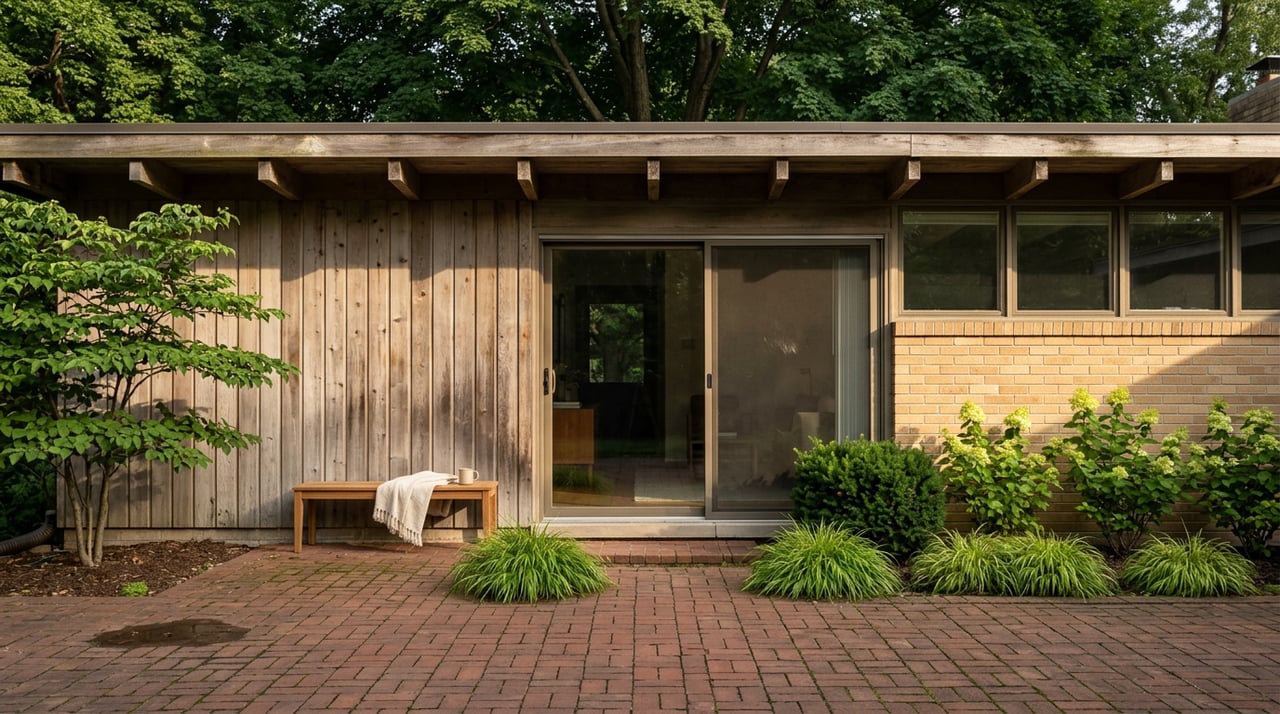
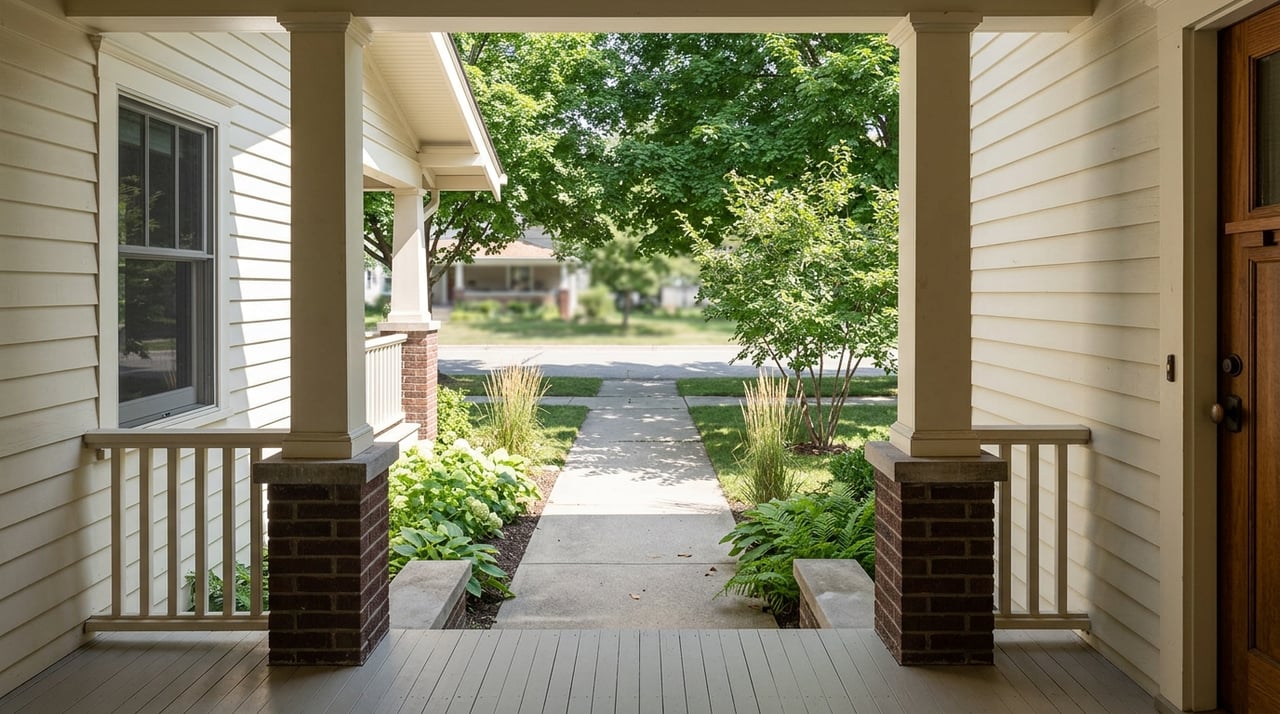
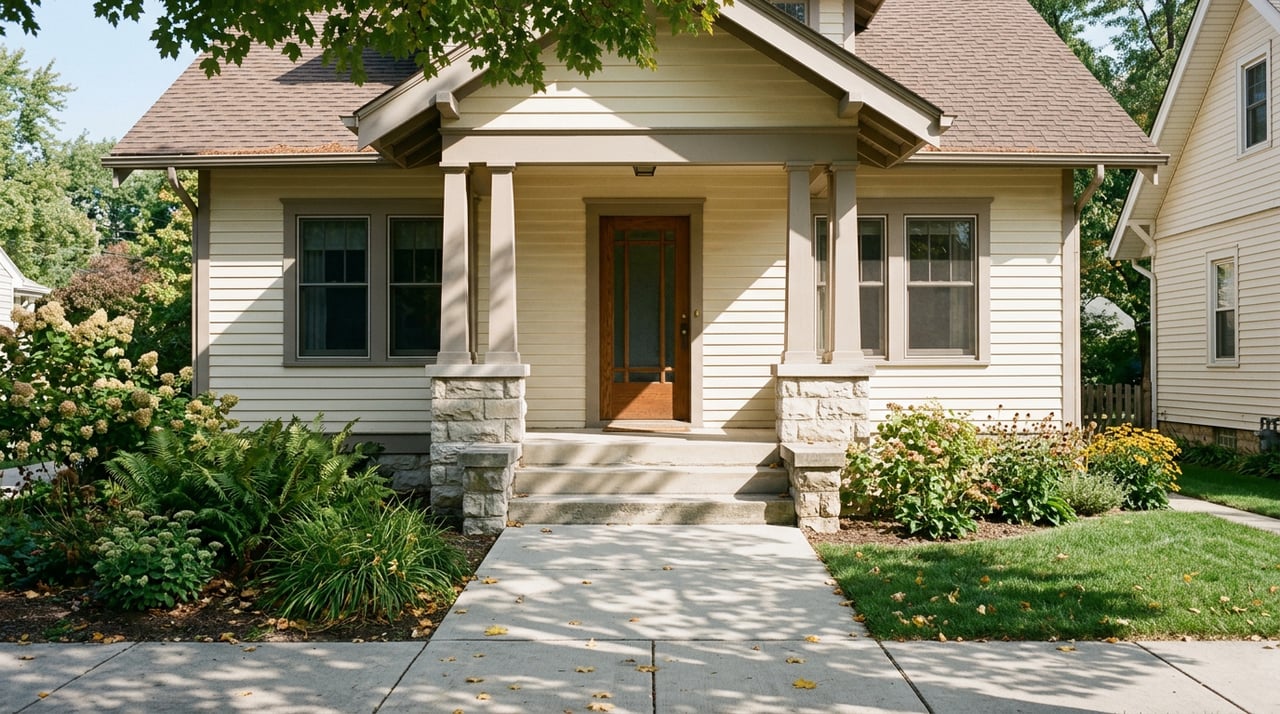
Blocks around Lake Nokomis were largely built from the 1920s through the 1940s, which gives the area a consistent vintage character. You will see bungalows, Tudor and Period Revival homes, and modest mid-century houses in the immediate neighborhoods. The Nokomis Knoll area documents this pattern and its lake-facing blocks from that period. For a concise historic overview, scan the Nokomis Knoll resource.
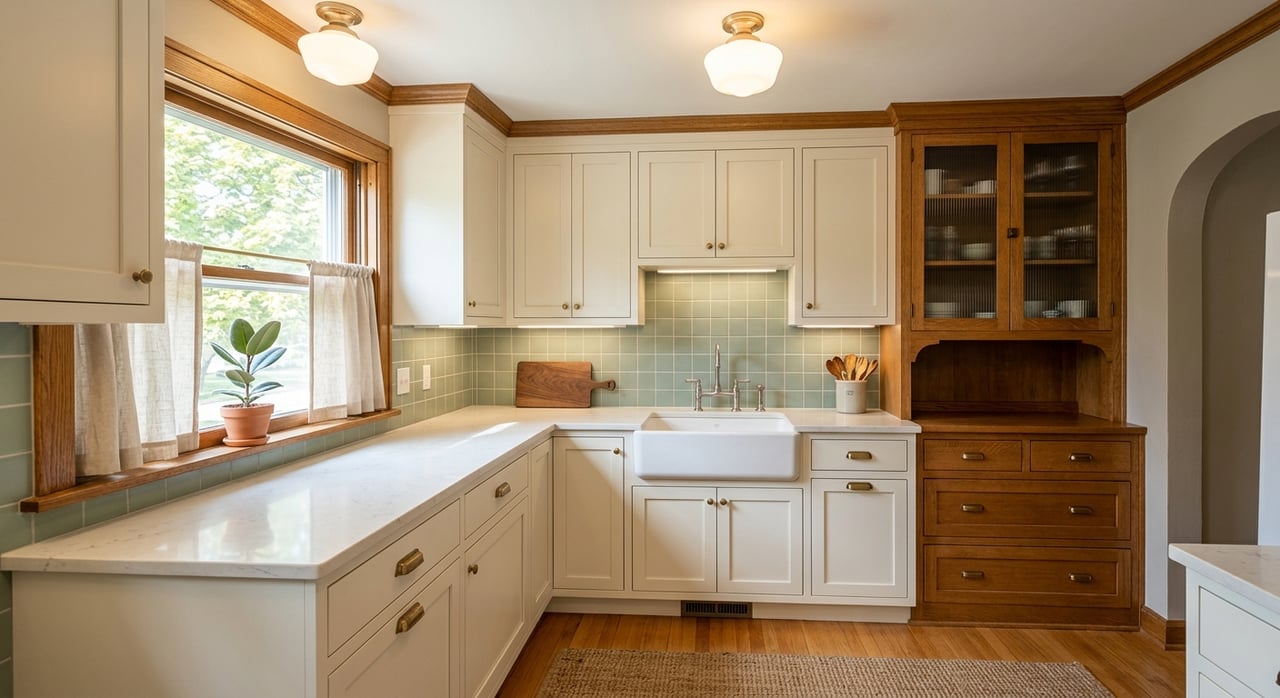
Older homes offer charm and craftsmanship, and they can also come with age-typical updates to plan for. Common items include older roofs and windows, dated mechanicals, and limited insulation in original walls or attics. A targeted inspection plan helps you understand costs and timelines.
Common age-related checks
- Basement moisture and groundwater: Parts of the Nokomis area were developed on filled wetlands and peat deposits. With wetter years, some blocks have seen perched groundwater, basement flooding, and sewer issues. Ask about previous drainage work, sump pumps, and any history of seepage. Local reporting outlines these risks and public planning; see this Star Tribune overview of Nokomis-area groundwater issues.
- Private sewer laterals: In Minneapolis, the pipe from the house to the city main is the homeowner’s responsibility. Many older laterals benefit from a camera inspection before closing. Review eligibility for the city’s private sewer lateral grant and program.
- Lead service lines: The city has identified legacy lead service lines in parts of Minneapolis and is working on replacements. Check the city’s materials in the annual water quality reports and program guidance for service-line information and sampling recommendations. Start with the City of Minneapolis drinking water and lead resources.
- Radon: Minnesota and Hennepin County have higher radon potential. Include a radon test in your inspection window and plan for mitigation if levels exceed guidance. See the Minnesota Department of Health radon map and guidance.
- Systems and efficiency: Many period homes still have older electrical panels, original or partially updated wiring, older furnaces or boilers, and minimal insulation. Ask for ages and service records, then price upgrades into your long-term plan.
Seasonality and planning
Summer rhythm
Warm months bring beach days, picnics, concerts, and heavy trail use. Lifeguard schedules and water-quality advisories are posted on the Lake Nokomis Main Beach page. If you live very close to a beach or park entrance, expect more parking demand and weekend activity. Many buyers who want quieter evenings focus one or two blocks off the parkway.
Winter energy
When ice conditions allow, pond hockey and other winter activities concentrate people on the lake. Event weekends feel lively and can affect street parking for short windows. Weather can also cancel ice events, which the Park Board announces each season.
Market signals near the lake
Homes near parks and urban green space often carry a proximity premium because buyers value walkable access and everyday nature. Academic reviews summarize this relationship across many cities and park types. For background on how parks influence value, see this peer-reviewed summary of park proximity and pricing.
Locally, lake-adjacent listings around Nokomis often draw strong interest. It is common to trade a bit of square footage or yard depth to be closer to the beach and trail loop. Rather than chasing a number, use a side-by-side comparison of your must-haves to decide how much proximity matters in your daily life.
Buyer checklist for Nokomis
Use this quick list to focus your due diligence:
- Confirm exact lot position: Check how the lot sits relative to the ordinary high-water mark and any parkway or Park Board right-of-way. Start with Lake Nokomis Park and the city’s Shoreland Overlay District text for boundaries and rules.
- Plan for shoreland rules: If you are considering additions, garages, or landscaping changes, review setbacks, height limits, and vegetation rules in the shoreland regulations and talk with your agent early.
- Order targeted inspections: Include a radon test, a sewer lateral camera inspection, and a foundation and moisture review. Check eligibility for the city’s private sewer lateral program.
- Verify utilities and water lines: Review the city’s drinking water and lead service line information and consider sampling if a lead line is present or suspected.
- Ask about groundwater history: Request records for sump pumps, battery backups, drain tile, and any previous mitigation. Local context on perched groundwater and flooding is covered in this Star Tribune report.
- Track water-quality advisories: During swim season, monitor beach updates for temporary closures after heavy rain or algae blooms.
- If you boat: Be prepared for aquatic invasive species inspections and decontamination procedures at the public launch, which are part of city lake operations. Start with Lake Nokomis Park for facility details.
Choosing a home near Lake Nokomis is about matching the lifestyle you want with the practical rules and maintenance of an older lakeside neighborhood. If you want realistic guidance on tradeoffs, inspections, and which blocks fit your goals, reach out to Claire Johnston for a tailored plan and a current market snapshot.
FAQs
Is Lake Nokomis shoreline private or public for nearby homes?
- Most homes near the water face public parkland or a parkway, so shoreline is publicly accessible rather than privately owned, according to the Park Board’s Lake Nokomis Park overview.
Do Lake Nokomis beaches ever close for water quality?
- Yes, the Park Board monitors bacteria and algae and may post short-term advisories or closures, which you can check on the Lake Nokomis Main Beach page.
What building limits apply near Lake Nokomis in Minneapolis?
- Properties in the Shoreland Overlay District have rules for setbacks from the high-water mark, height limits, vegetation, and lot dimensions; see the city’s Chapter 535 regulations.
Which inspections matter most for older Nokomis homes?
- Prioritize a sewer lateral camera, radon test, and foundation and moisture review, and confirm service-line material using the city’s drinking water and lead resources.
How does living close to the lake affect daily life and parking?
- Expect more visitors, trail users, and occasional event traffic near beach or park entrances in peak months, with a quieter feel one or two blocks off the parkway.
Are there environmental programs that affect Lake Nokomis long term?
- Yes, watershed partners pursue nutrient reduction and stormwater improvements that support water quality; see planning context from the Minnehaha Creek Watershed District.