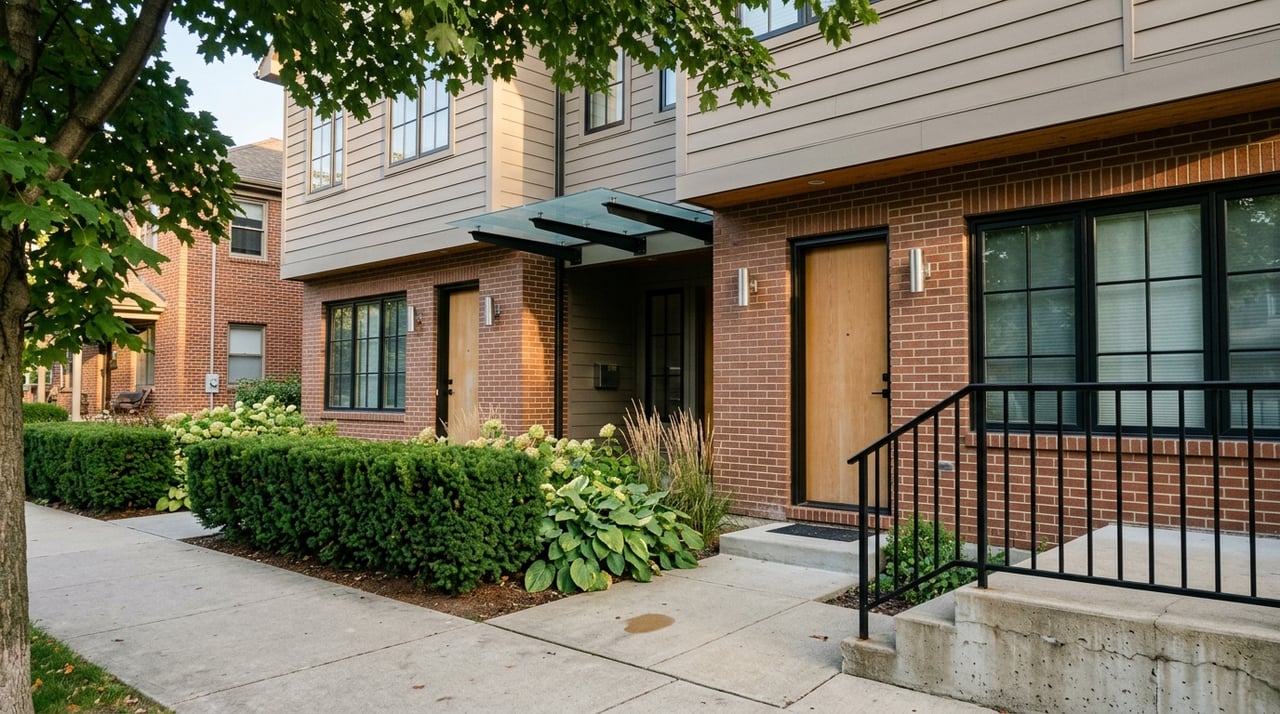
Trying to choose between a condo and a townhome in St. Louis Park? You are not alone. For many buyers in areas like Shelard Park, the decision sounds simple at first, but the details can shape your costs, privacy, maintenance load, and resale experience in a big way. This guide will help you compare the two with a Minnesota-specific lens so you can make a smarter, more confident choice. Let’s dive in.
Why the condo vs townhome label can mislead
In Minnesota, the marketing label does not always tell you exactly what you are buying. A condo and many townhome-style properties are both often part of a common interest community under Minnesota law, which means you may share costs and responsibilities with the association.
That is why the legal documents matter more than the word on the listing. The Minnesota Attorney General’s homebuyer handbook notes that townhouse ownership often includes the ground beneath the home, unlike a condo or co-op, but each community has to be verified on its own terms.
What ownership usually looks like
A condominium typically gives you ownership of your unit plus shared ownership of common elements. A planned community, which many townhomes fall under, is any common interest community that is not a condominium or cooperative.
In real life, that can affect what you maintain, what the HOA insures, and what parts of the property are considered shared. Even features that feel private, like patios, decks, balconies, doors, or windows, may be classified as limited common elements under Minnesota statute.
How condos and townhomes feel day to day
For many buyers, the better choice comes down to lifestyle more than square footage. The right fit depends on how much exterior responsibility you want, how important privacy is to you, and how comfortable you are with HOA rules.
Condos often mean less exterior upkeep
Condos usually appeal to buyers who want a simpler maintenance routine. In many condo communities, the association handles more exterior maintenance and carries broader property and liability insurance for common areas, though your exact coverage and obligations will depend on the governing documents.
If you want a more lock-and-leave setup, a condo may feel easier. That can be especially appealing if you travel often, prefer lower hands-on maintenance, or want to focus your budget on interior updates.
Townhomes often feel more house-like
Townhomes often offer a layout that feels closer to a single-family home. You may have a direct private entrance, more separation from neighbors, and outdoor areas that feel more defined.
That said, a townhome does not automatically mean fewer shared responsibilities. Depending on the declaration, the association may still control major exterior items, or you may be responsible for more of them than you expected.
Privacy depends on design, not just type
Many buyers assume townhomes are always more private than condos, but that is not always true. The Attorney General’s handbook points out that shared walls, hallways, and common spaces are common across these communities.
When you tour properties in Shelard Park or elsewhere in St. Louis Park, pay attention to the actual design. Look at entry orientation, shared walls, window placement, and whether outdoor space is truly private or shared in practice.
HOA rules matter in both options
Whether you buy a condo or a townhome, the HOA can have a major impact on your experience. According to the Minnesota Attorney General’s association guidance, boards may regulate pets, parking, smoking, noise, rentals, and access into units for maintenance or repairs.
That does not mean an HOA is bad. It does mean you should read the rules closely and decide whether the community’s standards match your lifestyle.
Questions to ask about the HOA
Before you buy, ask for clarity on:
- Monthly dues and what they cover
- Reserve funding
- Recent or planned special assessments
- Rental restrictions
- Pet rules
- Parking rules
- Owner responsibility for windows, doors, decks, patios, and HVAC
- Any pending lawsuits or judgments
These are not small details. They can affect your monthly budget, your renovation plans, and how easy the home may be to sell later.
What buyers in St. Louis Park should know
St. Louis Park has a meaningful amount of attached housing. The city’s 2023 Housing Activity Report counted 3,564 condo and townhome units, or about 14% of total housing units.
That matters because it shows condos and townhomes are a real part of the local housing mix, not a niche product. If you are shopping in Shelard Park, you are looking in a city where attached homes already play an important role in how people buy and live.
The city is also planning for more housing diversity. St. Louis Park says its zoning code update, effective March 28, 2025, reviews housing types, lot sizes, setbacks, and height with the goal of expanding diversity and affordability in neighborhoods.
How the local market shapes your decision
St. Louis Park remains a relatively active market. Redfin reported a February 2026 median sale price of $377,500 across all home types, up 4.9% year over year, with a median 55 days on market.
Those numbers combine single-family homes, townhouses, and condos, so they are best used as broad market context. The more useful takeaway is that attached homes are participating in a market with healthy demand, while the value of any specific condo or townhome still depends heavily on condition, project quality, and HOA health.
St. Louis Park inspection rules to keep in mind
If you are buying in St. Louis Park, there is another practical detail to know. The city requires a housing inspection when a property is sold or ownership is transferred.
The fee is $360 for a single-family house or townhouse and $250 for a condo. Certificates last one year for homes, townhomes, and duplexes, and two years for condos. The inspection reviews items like siding, roof, garage, and interior condition.
Which updates matter most for resale
If resale value is part of your decision, focus less on flashy finishes and more on useful improvements. In St. Louis Park listing trends, buyers responded well to features like a new roof, flex room, new air conditioner, attached garage, paver patio, new kitchen, den, breakfast area, security cameras, and storage area.
That pattern suggests buyers value visible condition, practical space, and storage. In other words, function tends to travel well.
Best condo updates for resale
For condos, the most valuable improvements are often inside the unit. Think:
- Updated kitchens
- Refreshed baths
- Durable flooring
- Better lighting
- Smarter storage
- HVAC improvements, where owner-controlled
Because many exterior elements are handled by the association, your best return may come from making the interior feel polished, efficient, and easy to live in.
Best townhome updates for resale
For townhomes, resale value can depend more on the maintenance split. If the owner is responsible for certain exterior features, updates like doors, windows, patios, or mechanical systems may carry more weight.
This is where reading the declaration matters. You want to know which improvements are yours to control and which belong to the association.
The most important factor: HOA financial health
This is the piece many buyers overlook. The strongest unit on paper can still become a stressful purchase if the HOA has weak reserves or upcoming assessments.
The Minnesota Attorney General’s guidance highlights reserve funds, replacement reserves, annual reports, special assessments, and disclosure of pending litigation or judgments for a reason. These items directly affect your future costs and can shape buyer confidence when you sell.
Review these documents carefully
Minnesota law requires sellers of common interest community units to provide documents including the declaration, bylaws, articles, rules, current budget, most recent financial statement, and any pending lawsuits or judgments. According to the Attorney General’s office, buyers generally have 10 days after receiving these disclosures to cancel, unless that right is waived or the documents were provided earlier.
This review period is valuable. Use it to understand not just the home, but the health of the community behind it.
How to choose the right fit for you
If you are deciding between a condo and a townhome in Shelard Park or the broader St. Louis Park area, try filtering your options through a few simple questions.
Choose a condo if you want
- Less exterior responsibility
- A simpler lock-and-leave lifestyle
- More predictable owner-controlled update priorities inside the unit
- A community where shared maintenance is a feature, not a downside
Choose a townhome if you want
- A more house-like layout
- A direct entrance or more separated living feel
- Outdoor space that may feel more personal
- More flexibility, if the governing documents support it
Choose either one only if the documents check out
A well-run condo association can be a better long-term buy than a poorly managed townhome community. A thoughtfully designed townhome can also be a better fit than a condo if you want more separation and are comfortable with the maintenance split.
The smartest move is to compare the legal structure, the financials, the rules, and the actual lived experience, not just the label.
If you want help sorting through HOA documents, maintenance responsibilities, or resale potential in St. Louis Park, Claire Johnston brings a practical, design-aware perspective that helps you look past the marketing and focus on fit.
FAQs
What is the main difference between a condo and a townhome in St. Louis Park?
- In Minnesota, the legal structure and HOA documents matter more than the label, but condos usually involve unit ownership plus shared common elements, while many townhomes are planned communities that may feel more house-like.
Are townhomes always better for privacy than condos in Shelard Park?
- No. Privacy depends on the building design, shared walls, entry setup, and whether outdoor areas are private or limited common elements.
Do condos and townhomes both have HOA rules in Minnesota?
- Yes. Both can have rules covering pets, parking, smoking, noise, rentals, and association access for maintenance or repairs.
What documents should you review before buying a condo or townhome in St. Louis Park?
- You should review the declaration, bylaws, articles, rules, current budget, latest financial statement, and any pending lawsuits or judgments.
Does St. Louis Park require an inspection for condos and townhomes during a sale?
- Yes. The city requires a housing inspection for transferred properties, with different fees and certificate lengths for condos and townhomes.
What matters most for condo or townhome resale value in St. Louis Park?
- Condition, useful updates, storage, and especially HOA financial health tend to matter more than cosmetic changes alone.