What if the right Nokomis home style could save you time, money, and future renovation headaches? Whether you’re drawn to a sunlit bungalow near the park or a practical post-war ranch, choosing the right architecture sets the tone for how you’ll live and what you’ll spend. You want character, but you also want a smart plan for updates and resale. This guide breaks down the most common Nokomis housing styles, their quirks, upgrade potential, and how to align each option to your budget. Let’s dive in.
Nokomis at a glance
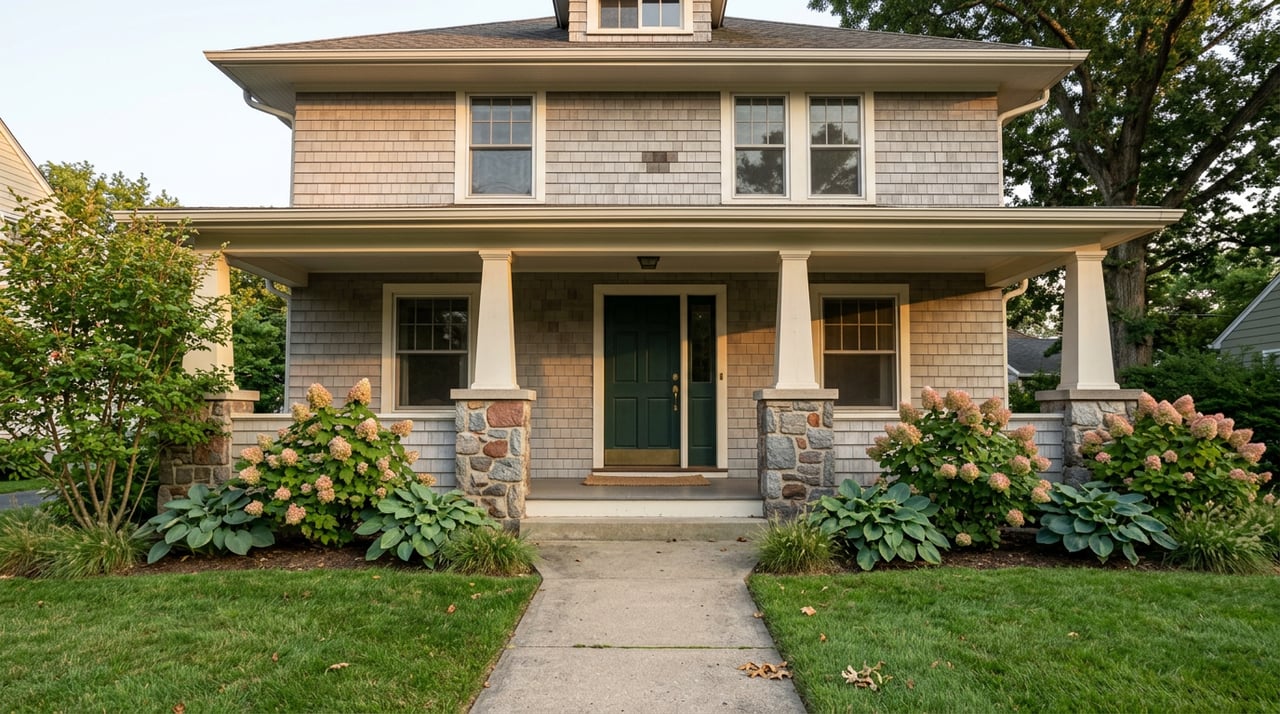
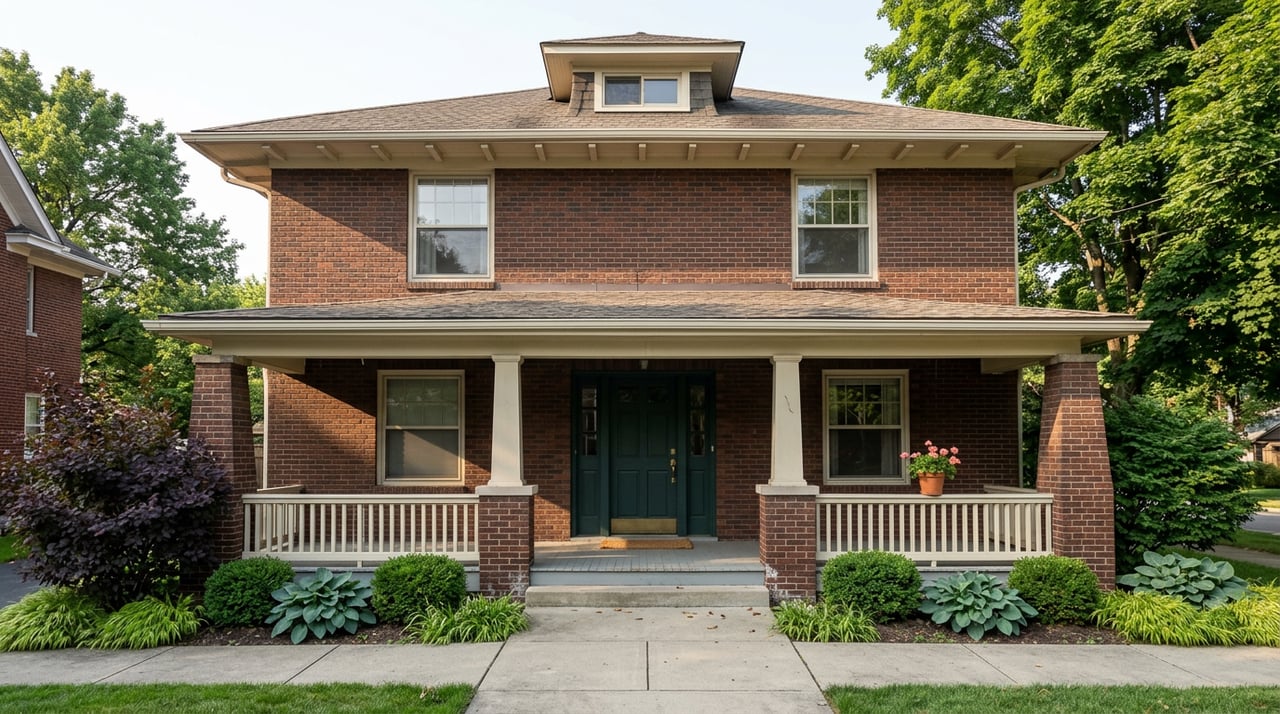
Nokomis and nearby south Minneapolis neighborhoods grew from the early 1900s through the 1950s, so you see a mix of Craftsman bungalows, Cape Cods, post-war ranches, and modest mid-century homes. Lots are mostly rectangular city parcels, with a few deeper or irregular lots from later infill. Homes near Lake Nokomis and Minnehaha parks often carry a premium, and many blocks keep their original exterior character. Condition matters as much as style, so two similar houses can be priced very differently based on updates and finished space.
Craftsman and American bungalow
How to spot it
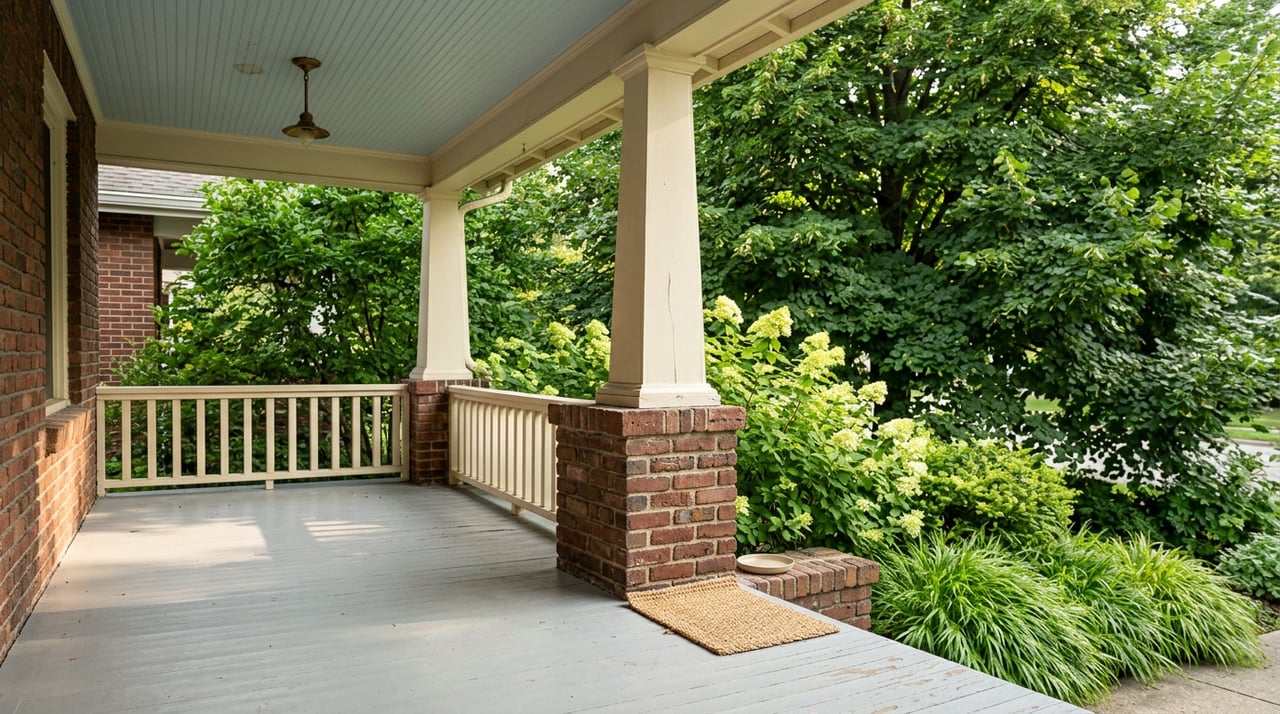
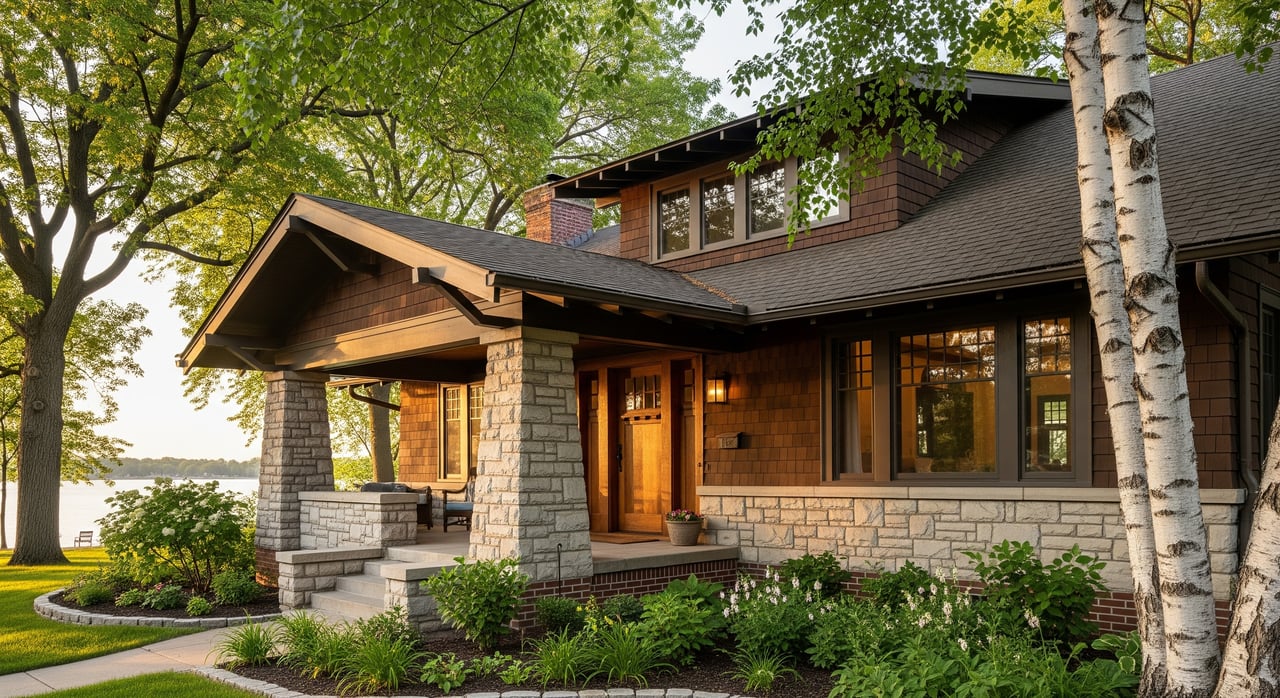
You’ll notice low-pitched roofs with wide eaves, exposed rafters, and welcoming porches with tapered columns. Inside, look for built-ins, original woodwork, hardwood floors, and fireplaces. Most are 1 to 1.5 stories, often with a usable half-story.
Typical layout quirks
Kitchens and baths tend to be compact. Staircases are usually near the front entry, and dormer or attic bedrooms often have sloped ceilings. Closets are shallower than modern standards.
What to inspect
Older electrical, including possible knob-and-tube wiring in the oldest homes, may still be present. Single-pane windows, galvanized plumbing, and shallower early foundations can show up. If built before 1978, expect lead-based paint considerations.
Update and expansion potential
Bungalows take well to kitchen refreshes and basement finishing. Attic conversions and dormer additions can add real function, though roof and structural work plus permits are part of the process. Period-correct restoration of built-ins and trim often pays off if you value character.
Best fit
Choose a Craftsman if you love original detail and are open to strategic updates. This style is ideal if you want charm, walkability, and the option to add space over time.
Cape Cod
How to spot it
Cape Cods are compact and efficient, with a symmetrical face, steep roof, and occasional dormers. Many were built in the 1930s to 1950s and can tuck bedrooms under the roofline.
Typical layout quirks
Expect smaller closets and low upstairs headroom where the roof slopes. Kitchens and bathrooms tend to be modest. Storage can be limited without built-ins or basement solutions.
What to inspect
If unrenovated, mechanicals may be older and kitchens tight for modern cooking. Dormer rooms can feel cozy but have tricky furniture placement.
Update and expansion potential
Dormer additions can create real upstairs headroom. Rear bump-outs work well for a larger kitchen or dining area. Basement finishing adds usable space without changing the exterior.
Best fit
Consider a Cape Cod if you want an efficient starter home with clear pathways to improve function through dormers, a small addition, or a finished basement.
Post-war ranch
How to spot it
Ranches are single-story with a low roofline, often L-shaped, and sometimes include an attached or integrated garage. Windows are larger, and living spaces tend to orient toward the backyard.
Typical layout quirks
You may see a sequence of bedrooms along a corridor and a modest but functional kitchen connected to dining. Basements are common, though some homes have shallow or slab foundations.
What to inspect
Original mechanicals and windows may be at or beyond their service life in unupdated homes. Check for basement moisture and insulation levels.
Update and expansion potential
Ranches are flexible for one-level additions, kitchen reconfigurations, and full basement finishes. Accessibility upgrades are straightforward, which is helpful if you plan to age in place.
Best fit
Pick a ranch if you want one-level living with room to expand and a layout that adapts easily to modern kitchens and open flow.
Modest mid-century
How to spot it
These 1950s and 1960s homes emphasize horizontal lines, low-pitched roofs, and larger picture windows. Some are split-levels with short stair runs between living and sleeping areas.
Typical layout quirks
Split-levels can feel compartmentalized, and closet space is modest. Some homes have unique window sizes that are pricey to replace exactly.
What to inspect
Expect original mechanicals in unrenovated homes and the possibility of older materials like asbestos in certain finishes. Window and wall configurations may affect remodeling plans.
Update and expansion potential
Kitchens and baths modernize nicely, and selective wall openings can create better flow. Preserving mid-century details, like built-ins or distinctive windows, can enhance long-term appeal.
Best fit
Choose modest mid-century if you appreciate clean lines, larger windows, and a layout that can be opened up without losing period charm.
Budgets and trade-offs in Nokomis
Older homes often require a “systems first” mindset before you focus on finishes. Here are ballpark ranges to help plan. Actual costs depend on scope, finishes, and site conditions.
- Cosmetic kitchen refresh: about $10k to $40k.
- Full kitchen remodel with layout changes: about $40k to $150k.
- Bathroom remodel: small refresh $5k to $20k; full mid-range $15k to $40k.
- Basement finishing with bedroom/bath: about $30k to $120k.
- Dormer addition or attic conversion: about $40k to $150k+.
- Structural additions or second stories: about $100k to $400k+.
- Energy and mechanical upgrades: furnace/AC often $5k to $15k; window and insulation costs vary by home.
How this maps to style:
- Craftsman and bungalows: budget for electrical, window, and insulation upgrades, plus a kitchen remodel if original. Attic projects add function but require structural planning.
- Cape Cod: dormers and a kitchen bump-out can transform livability while protecting curb appeal.
- Ranch: strong candidates for kitchen reconfiguration and single-story additions. Accessibility upgrades are more straightforward.
- Modest mid-century: opening key walls and refreshing baths and kitchens can go far; preserving period elements can be worth the effort.
Smart due diligence for Nokomis buyers
Set yourself up for a confident purchase by focusing on condition and safety.
- Inspect major systems: roof, foundation, electrical service, HVAC, sewer lateral, and sump pump. A sewer camera inspection is wise for older lines.
- Health and safety: lead-based paint is common in pre-1978 homes; follow renovation and disclosure rules. Radon testing is recommended in Minnesota.
- Energy and comfort: check attic insulation, window type, and equipment age to plan efficiency upgrades.
- Moisture and grading: most homes have basements, so evaluate water intrusion risks and site drainage, especially near lakes or low areas.
- Permits and history: confirm past remodels were permitted and to code through city and county records. If you plan exterior changes, check whether any preservation or neighborhood overlays affect your project.
Which style fits your goals?
- First-time buyer near the parks: consider a smaller updated bungalow or ranch to maximize livability and reduce immediate project work.
- Character lover ready to renovate: seek Craftsman or early bungalows with intact woodwork; budget for mechanicals, insulation, and a future attic conversion.
- One-level living now or later: focus on ranches or simpler mid-century homes and plan accessibility updates along with energy improvements.
- Value hunter: Cape Cods can deliver with targeted dormers and a basement finish while keeping the footprint modest.
Buying strategy near Lake Nokomis and Minnehaha
Parks and greenways drive demand, so near-park blocks often command higher prices. Be ready for competition on move-in ready listings with updated kitchens, baths, and finished basements. If your heart is set on a park-adjacent location, you may trade square footage for condition. If you want more space, look a few blocks out and apply your budget to smart updates.
Ready to find the right Nokomis home style and a renovation plan that fits your life? Let’s pair character with a clear-eyed budget and strategy. Reach out to Claire Johnston for buyer representation and practical renovation guidance tailored to Nokomis.
FAQs
What housing styles are most common in Nokomis?
- You’ll primarily find Craftsman bungalows, Cape Cods, post-war ranches, and modest mid-century homes from the early 1900s through the 1960s.
How much does it cost to add space to a Nokomis bungalow?
- Dormers or attic conversions often run about $40k to $150k+, and basement finishing typically ranges from about $30k to $120k depending on scope.
Are basements common, and what should I check?
- Yes, most homes have basements; check for water intrusion, sump systems, proper grading, and consider a sewer camera inspection for older laterals.
How do parks affect home prices in Nokomis?
- Homes on or near Lake Nokomis and Minnehaha parks often command premiums, reflecting walkability and neighborhood amenities.
What permits are needed for remodeling in Minneapolis?
- Structural changes, dormers, additions, and significant window or door alterations usually require permits, and some blocks may have preservation review.