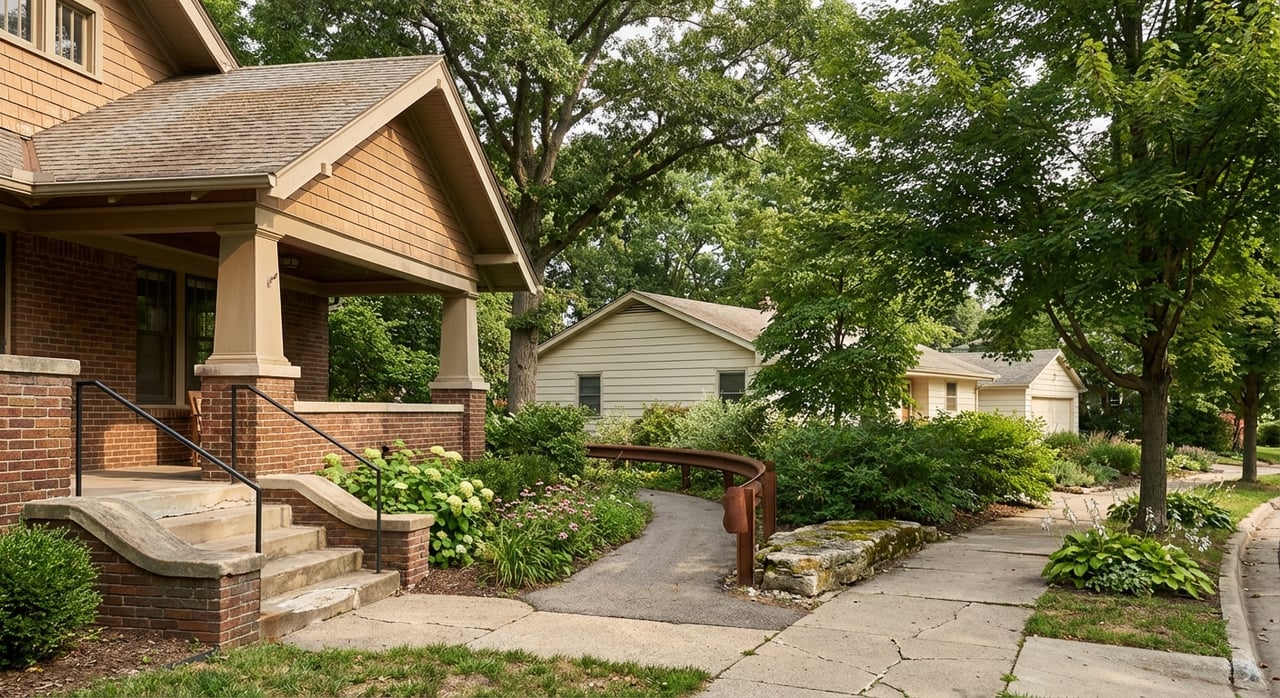
Love the idea of a front porch just a few blocks from the Mississippi, with trails and tree canopy as part of your daily rhythm? If so, Longfellow might be your sweet spot in South Minneapolis. You get vintage streetscapes, an easy outdoor routine, and a practical location for commuting and errands. In this guide, you’ll learn how Longfellow’s early‑20th‑century homes pair naturally with river living, what daily life looks like here, and how to think about renovating with care. Let’s dive in.
Where Longfellow sits
Greater Longfellow covers the neighborhoods of Longfellow, Cooper, Howe, and Hiawatha in South Minneapolis. Informally, it runs from the Midtown Greenway on the north to Minnehaha Regional Park on the south, from Hiawatha Avenue on the west to the Mississippi River on the east. The Mississippi River Gorge forms the community’s dramatic edge, with bluff overlooks and parkland woven into the street grid. For neighborhood context and events, the Longfellow Community Council is a helpful starting point.
A quick mental map
- North: Midtown Greenway, the city’s bike superhighway.
- East: Mississippi River Gorge and the West River Parkway greenway.
- South: Minnehaha Regional Park and the 53‑foot Minnehaha Falls.
- West: Hiawatha Avenue and the METRO Blue Line corridor.
River access, every day
Longfellow’s outdoor backbone is the Mississippi River Gorge, the only true gorge on the Mississippi in the Twin Cities. You can hike the rustic Winchell Trail, drop down to pocket beaches, and catch wide river views from the bluffs. If you prefer wheels to hiking boots, the paved West River Parkway path links into the larger Grand Rounds system for easy loops.
Minnehaha Regional Park
On the south edge, Minnehaha Regional Park offers big‑park energy without a long drive. You get picnic areas, playgrounds, trails to the river, seasonal programming, and the beloved Sea Salt eatery steps from the falls. It is the kind of place you swing by on a weeknight for a short walk or use as your all‑day weekend plan.
The homes you’ll find
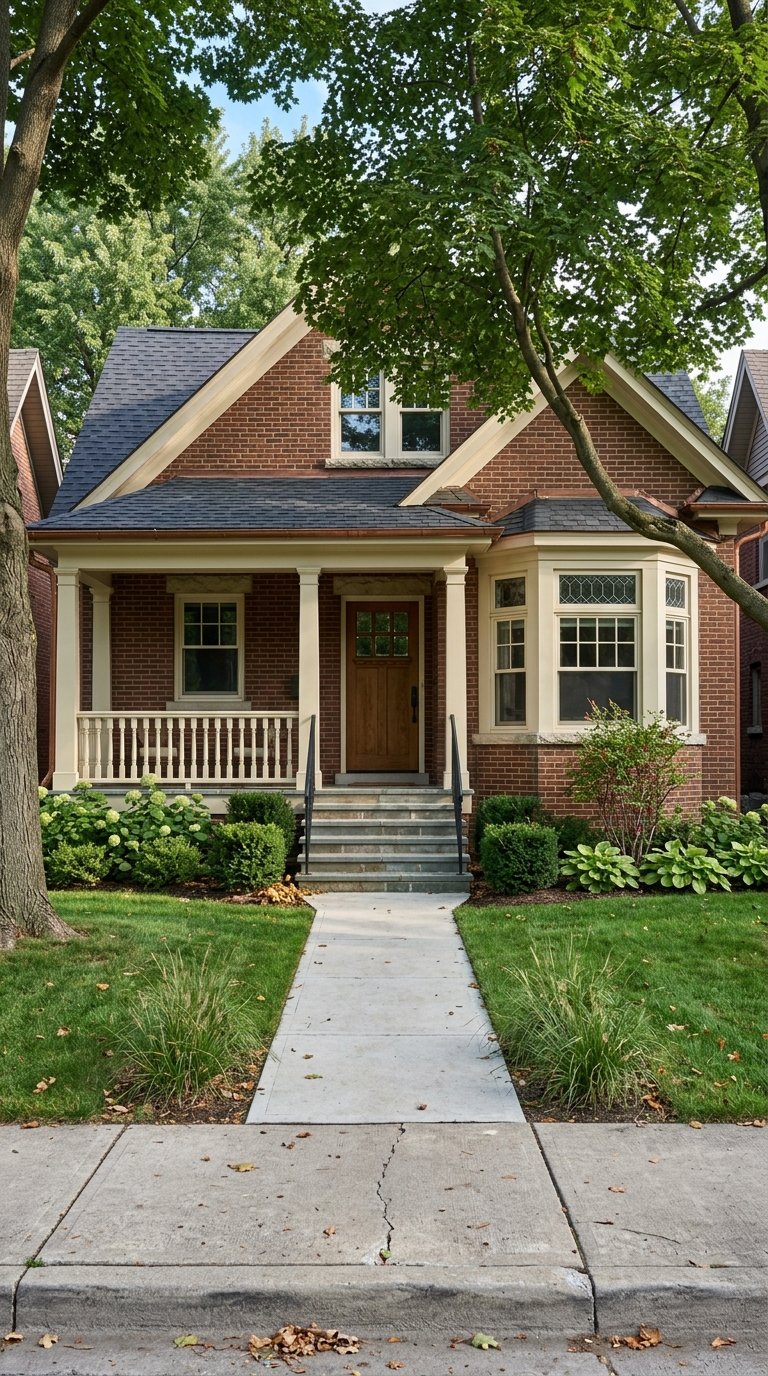
Walk block to block and you will spot a consistent rhythm: front porches, peaked roofs, and compact footprints. Much of Longfellow was platted and built during the streetcar era in the 1910s and 1920s, which is why you see so many Craftsman bungalows, American foursquares, and modest Colonials. Local preservation voices describe Longfellow as a prototypical bungalow community, a point underscored by the Twin Cities Bungalow Club’s neighborhood history.
Why so many homes look alike
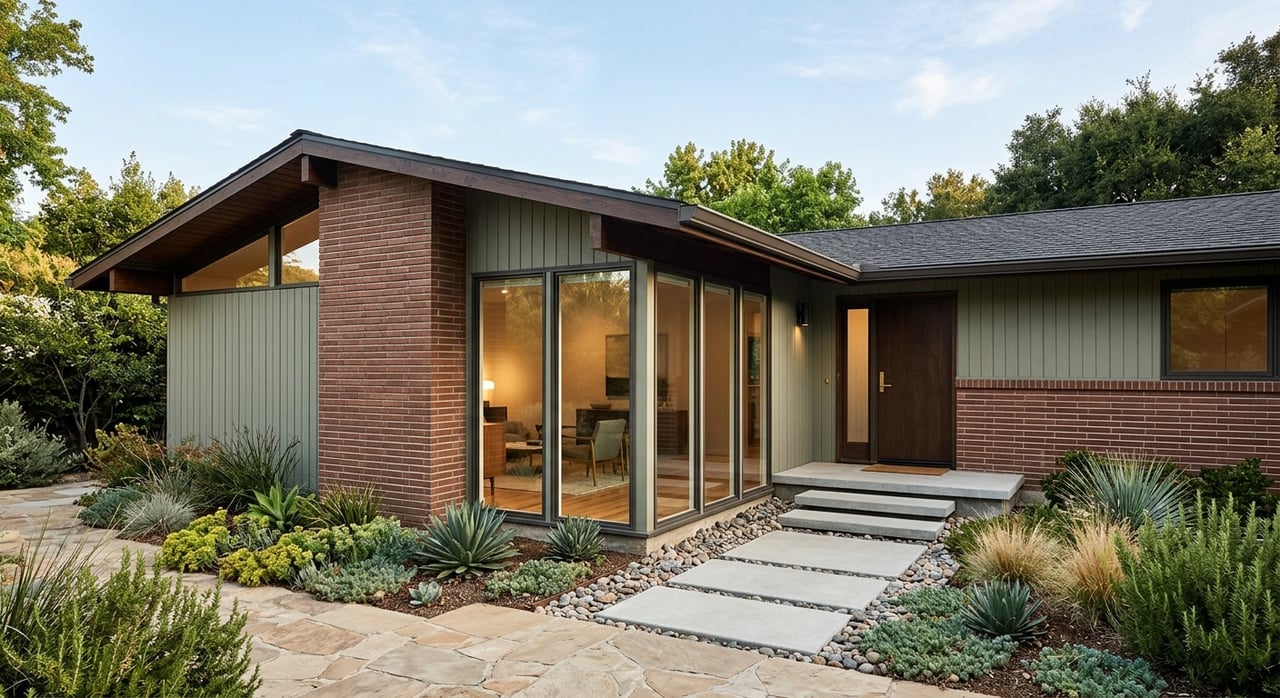
Early homeownership here often started with ready‑to‑assemble catalog houses. Those mail‑order kits kept proportions efficient and interiors practical, which helps explain today’s familiar layouts: front porches, focused living spaces, and tidy bedrooms. Over time, mid‑century ramblers and split‑levels joined the mix, and you will find occasional architect‑designed or newer infill homes, especially closer to the river or along redevelopment corridors.
What that means for living
- You get warm, livable rooms that are easy to maintain and furnish.
- Original woodwork, built‑ins, and period tile are common where they have been preserved.
- Homes closer to the river or Minnehaha Park are limited in number and often draw strong interest.
Lots and daily living
Longfellow’s lot pattern reflects its streetcar‑suburb roots. Parcels are modest, so you typically get a friendly front porch, a manageable backyard, and tree‑lined boulevards without expansive mowing. That scale shapes a close‑knit, walkable feel that residents often highlight, and it keeps weekend yard work in check. The Longfellow Community Council’s overview captures that character well.
Making the most of a small yard
- Create a layered porch setup with a bench and planters to extend living space.
- Choose one outdoor focal area, like a gravel dining zone or a simple raised‑bed garden.
- Add storage that blends in, such as a low shed or integrated bench with compartments.
- Use native plantings to reduce maintenance and support urban habitat.
Trails and getting around
This is a neighborhood where you can swap a car for a bike or train on many days. The Midtown Greenway links you west across the city, and local paths connect to the Grand Rounds loop along the river. On the transit side, the METRO Blue Line runs along the community’s western edge with stations that make it simple to ride north to downtown or south to the airport and Mall of America. For system details, start with Metro Transit’s rail resources.
From rustic hikes to smooth pavement
- Hike the Winchell Trail for wooded gorge segments and bluff overlooks.
- Cruise West River Parkway for a scenic, paved ride or run.
- Use the Midtown Greenway for fast, protected biking to lakes and Uptown.
Local shops and eats
Longfellow’s everyday life revolves around neighborhood‑scale businesses and a few signature corridors. Minnehaha Avenue, often called the Minnehaha Mile, is known for vintage and secondhand finds, while East Lake Street adds a wider mix of restaurants and services. For an easy way to browse what is nearby, the Visit Lake Street directory highlights independent shops and dining across the corridor.
Park‑adjacent stops
At Minnehaha Regional Park, you can pair a falls visit with a meal at Sea Salt and a loop down to the river. Weekends often mean a casual circuit: coffee, a park walk, and a browse through vintage shops on Minnehaha Avenue.
Who Longfellow fits
If you want a tree‑lined urban neighborhood with character, easy trail access, and a yard you can actually keep up with, Longfellow checks those boxes. Bungalows appeal to first‑move‑up buyers looking for charm and to downsizers who appreciate one‑story living after a thoughtful renovation. Homes nearer to the gorge and Minnehaha Park tend to command premiums, while classic bungalows across the neighborhood can make great move‑in homes or satisfying restoration projects. The area’s bungalow history supports steady interest from preservation‑minded buyers, as the Bungalow Club’s profile suggests.
Renovating with care
Old homes reward thoughtful updates. The goal is to protect the character that drew you in while solving for comfort, energy use, and daily function.
- Keep original woodwork and built‑ins when possible, and match profiles on any new trim.
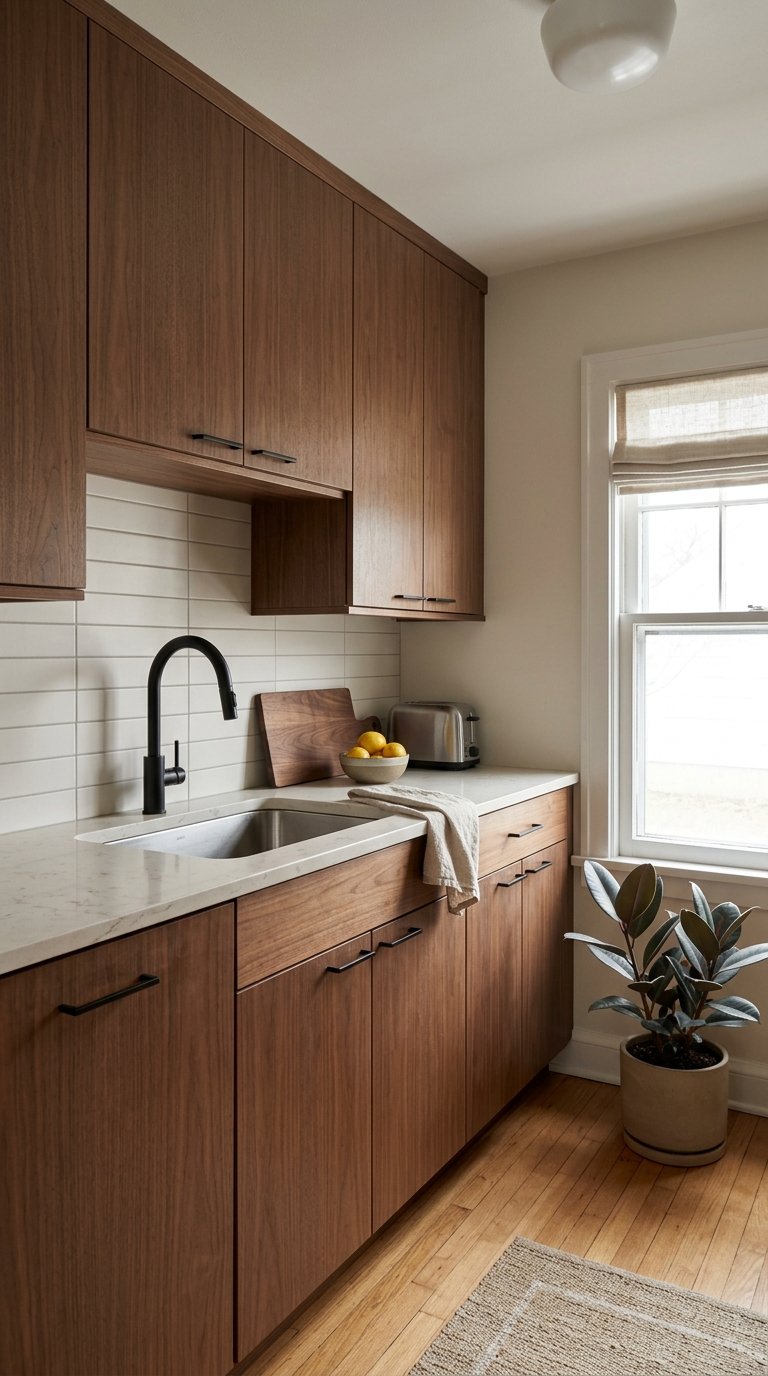
- Right‑size kitchen updates with timeless cabinets, durable counters, and period‑friendly lighting.
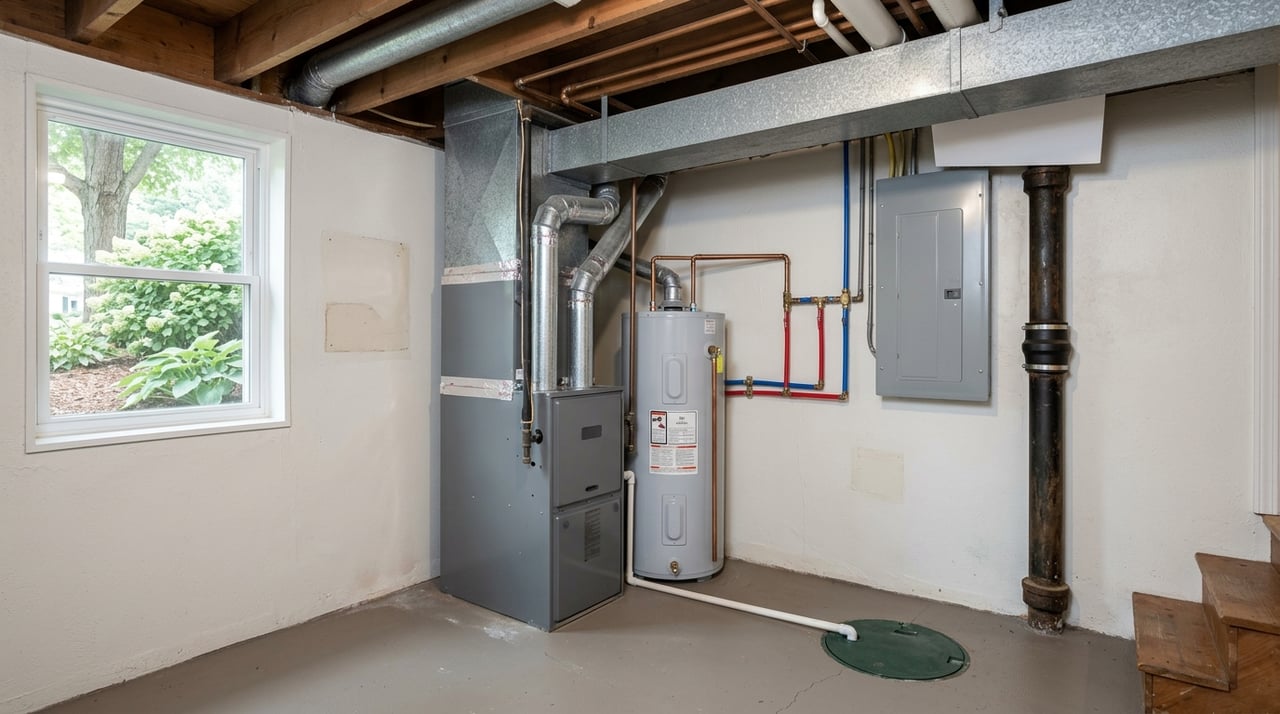
- Upgrade mechanicals, insulation, and windows strategically for comfort and efficiency.
- Plan bath updates that respect scale, using simple tile and classic fixtures.
If you need a second opinion on scope, materials, or budget, a preservation‑minded agent can help you align projects with long‑term resale and daily joy.
What’s next for Longfellow
There is active conversation around future green space and connectivity in the Minnehaha–Hiawatha corridor. The proposed Min Hi Line would repurpose parts of the freight corridor as a linear park and shared‑use path. While pilot projects and planning are still evolving, the idea fits the neighborhood’s pattern of linking historic streets to modern trails. You will also see localized infill and redevelopment near major corridors and transit, adding variety to the housing mix over time.
Ready to explore Longfellow?
If you are weighing a bungalow near the river or a mid‑century home closer to the park, you deserve guidance that blends design sense with practical know‑how. I help you spot original details worth saving, estimate update costs with clear eyes, and market your home’s story with premium presentation when you sell. For tailored advice and next steps, reach out to Claire Johnston. Get your instant home valuation and start planning with confidence.
FAQs
What kinds of homes are common in Longfellow?
- Craftsman bungalows, foursquares, and modest Colonials from the 1910s–1920s are widespread, with mid‑century homes and occasional newer infill adding variety.
How close is Longfellow to the Mississippi River and parks?
- The neighborhood borders the Mississippi River Gorge, with the Winchell Trail and West River Parkway nearby, and Minnehaha Regional Park anchors the southern edge.
What is the Minnehaha Mile shopping area?
- Minnehaha Avenue is known for vintage and secondhand shops that fit Longfellow’s character, while East Lake Street adds a broader mix of restaurants and services.
How do you commute without a car from Longfellow?
- You can bike the Midtown Greenway and river parkways, and ride the METRO Blue Line along the western edge for direct trips to downtown, the airport, and Mall of America.
Are Longfellow yards large or small?
- Lots are generally modest by suburban standards, which supports walkable blocks, front‑porch life, and manageable backyards for gardening and outdoor dining.