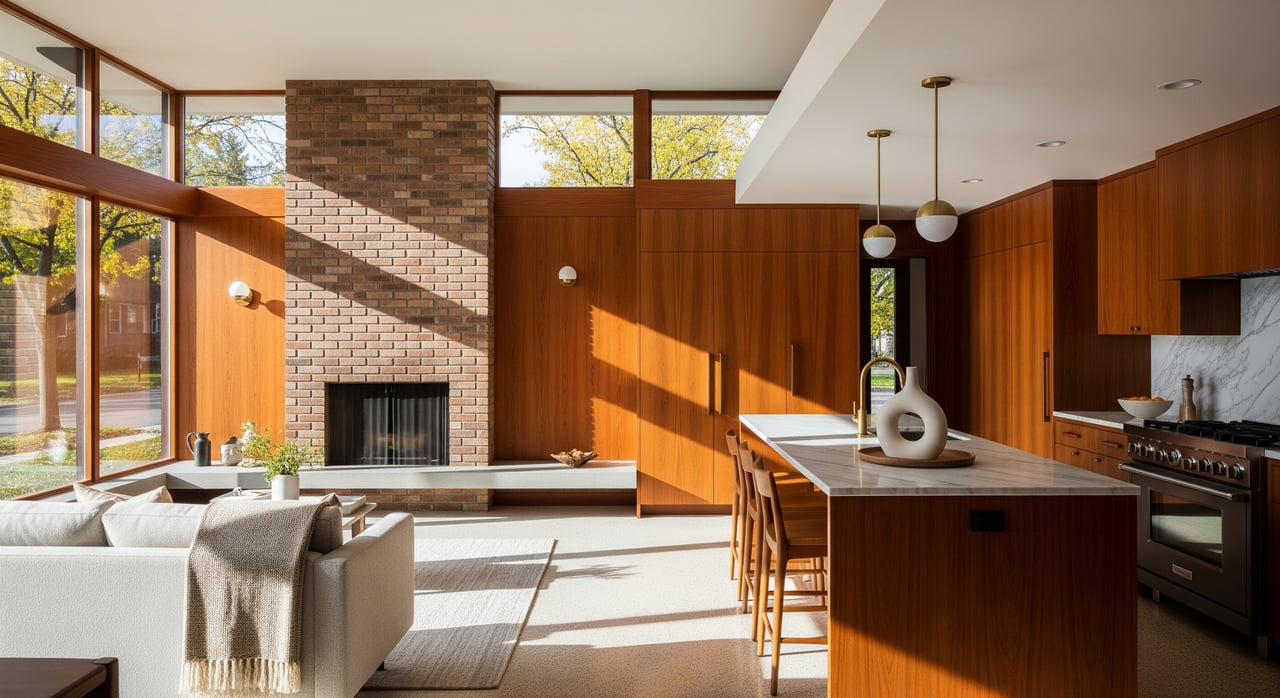
Love the clean lines of your Longfellow rambler but want it warmer, safer, and easier to live in year round? You’re not alone. Many postwar homes in south Minneapolis still have their mid‑century charm, and with the right plan, you can keep that look while upgrading comfort and efficiency for our long heating season. This guide walks you through what features define mid‑century style in Longfellow and which upgrades work best in Minneapolis’s climate. Let’s dive in.
Signature mid‑century features to keep
Rooflines and eaves
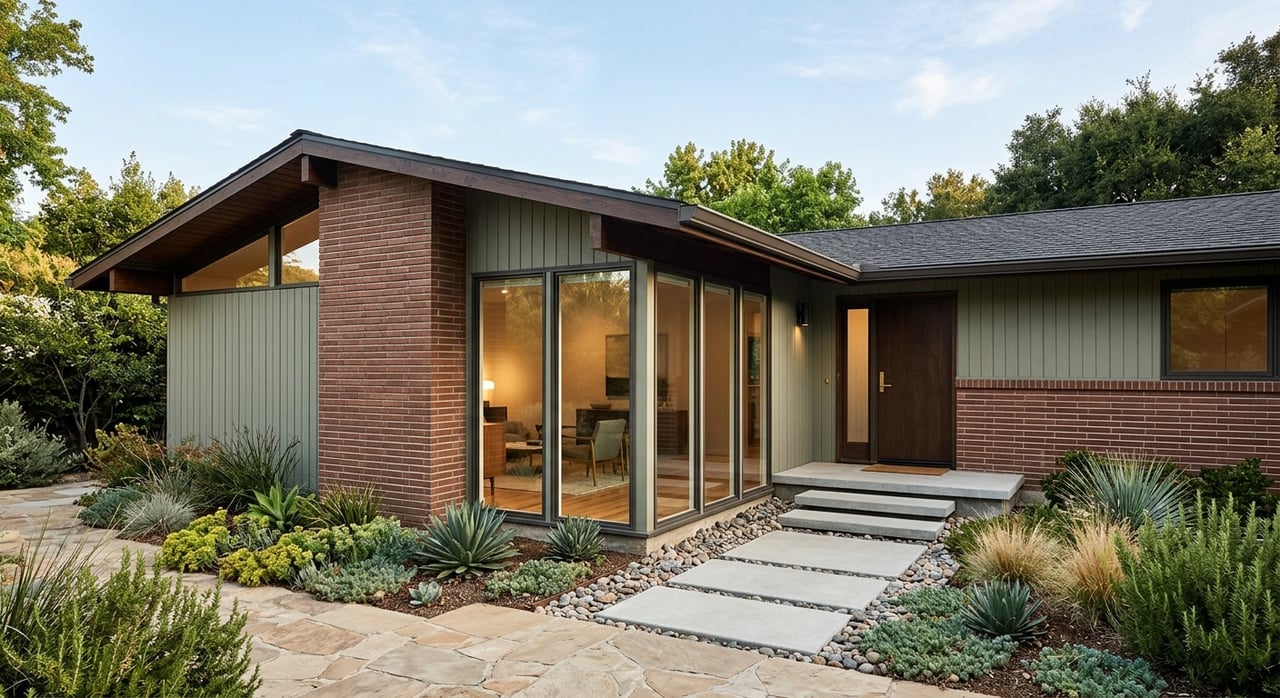
Low or shallow‑slope roofs with wide eaves are a hallmark of mid‑century houses here. They create that low, horizontal profile you love. When you replace roofing, protect the original eave depth and edge lines so the silhouette stays intact.
Windows and clerestories
Bands of horizontal windows and clerestories bring in soft daylight while protecting privacy. Original aluminum or wood frames and slim sightlines are part of the look. Try to repair and weatherstrip before you consider full replacement.
Built‑ins and interiors
Exposed wood ceilings, tongue‑and‑groove paneling, and built‑in cabinetry add warmth and function. These elements are usually durable. Gentle cleaning, repairs, and light refinishing go a long way.
Exterior materials and site features
Brick, wood siding, and simple metal panels are common. Carports, low planters, and integrated landscaping add to the modern feel. Keep the proportions and simple lines when you repair or refresh finishes.
Preservation‑first plan
Start with a character inventory
Walk the house and note what feels original: window patterns, eave depth, built‑ins, tile, and woodwork. Photograph details before any work begins. This helps you and your contractor make choices that respect the look.
Repair before replacing
Original windows, doors, and materials can often be repaired. When replacement is necessary, choose custom work that matches profiles and sightlines so the home still reads mid‑century at a glance.
Plan for cold‑climate performance
Minneapolis winters demand smart air sealing, insulation, and moisture control. Coordinate insulation with a clear air barrier and appropriate vapor strategy so assemblies can dry and stay healthy.
Favor reversible upgrades
Interior storm windows, plug‑in lighting upgrades, and minimally invasive mechanical routes protect original finishes and give you flexibility in the future.
Windows and clerestories
Repair is usually the best first step. Reglaze single‑pane sash, tune up hardware, and add weatherstripping. Interior storm windows with slim frames can deliver a big comfort boost with very little visual change. Low‑e interior films or removable insulated panels are another low‑impact option.
If a window is beyond repair, use custom replacements that match the original frame dimensions and sightlines while adding double glazing and thermal breaks. For clerestories, choose low‑profile systems so eaves and rooflines read the same from the street. Avoid bulky vinyl units that change proportions.
Roofs, eaves, and drainage
Low‑slope roofs need dependable waterproofing in our freeze‑thaw climate. When it is time, select proven membranes like modified bitumen or single‑ply options and detail flashings carefully. Keep eave depth, soffit thickness, and fascia lines consistent with the original design.
Increase insulation at the ceiling plane and verify ventilation where applicable. Some low‑slope homes have limited attic space. In those cases, consider roof‑deck insulation strategies designed for cold climates and make sure moisture control is part of the plan.
Insulation and air sealing priorities
- Start with attic or ceiling air sealing and insulation for the best dollar‑for‑dollar comfort gain.
- Seal and insulate rim joists to reduce cold drafts at the floor line.
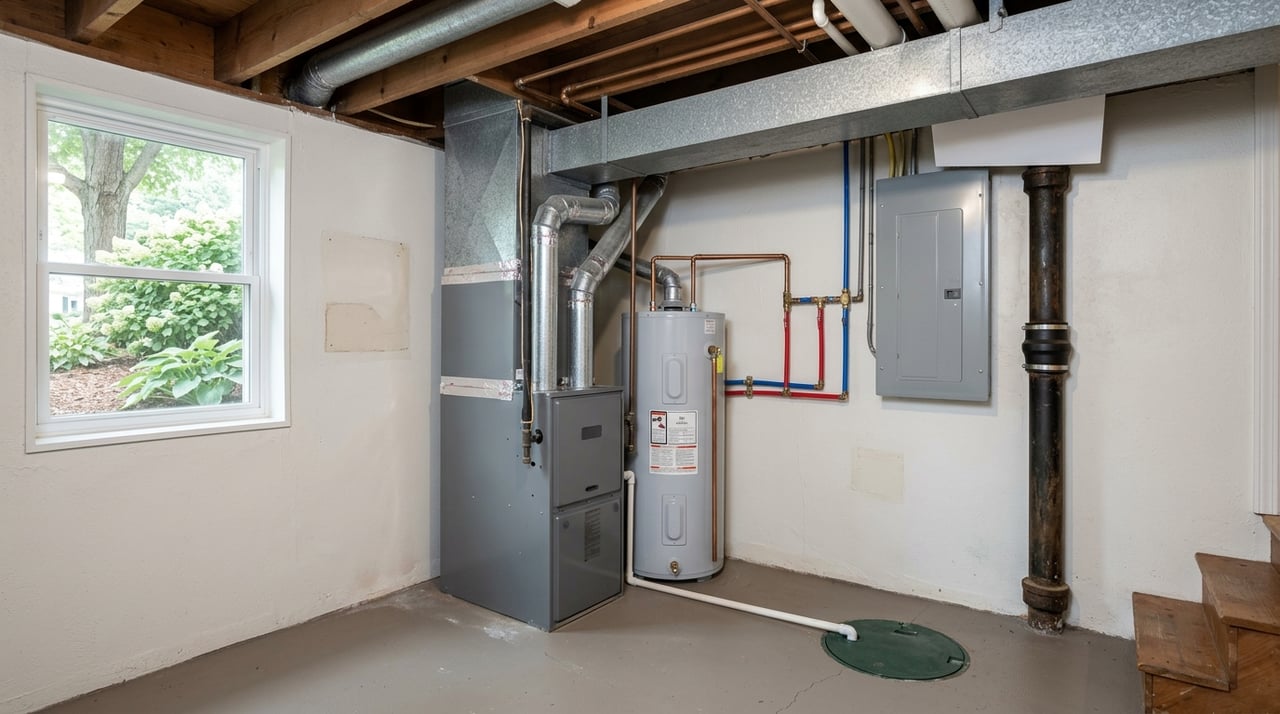
- Seal and insulate ducts to cut losses and improve system performance.
- For wall cavities, dense‑pack insulation can work well when paired with a continuous air barrier and appropriate vapor control so the walls can dry.
Heating, cooling, and ventilation
Many mid‑century homes started with older gas furnaces and no central cooling. Today, cold‑climate air‑source heat pumps and ducted or ductless mini‑splits can heat and cool efficiently in Minneapolis when sized and installed correctly. If you tighten the house, add balanced ventilation with an ERV or HRV to keep indoor air fresh and manage moisture.
Plan for electrical capacity if you add heat pumps, and work with contractors who understand both older homes and cold‑climate design. Conceal equipment and linesets to protect interior and exterior character.
Electrical and lighting updates
If your home still has older wiring or a dated panel, prioritize safety and code compliance. Upgrading service and grounding also makes space for modern loads like heat pumps and EV charging.
For lighting, keep original fixtures where you can and retrofit with high‑quality LED lamps for better efficiency and color. When you add or replace fixtures, choose simple, period‑friendly forms and finishes that complement the architecture.
Kitchens, baths, and tile
Original ceramic tile and terrazzo are durable and worth saving. Regrout, patch, or polish to refresh them. If you are updating appliances or plumbing, try to fit new pieces into existing cabinet openings or make modest adjustments that preserve built‑ins. This approach keeps the mid‑century personality while improving daily function.
Permits, incentives, and the right help
Check City of Minneapolis permitting for exterior changes, structural work, mechanicals, and windows. If your property has any historic designation, contact local preservation staff before altering exterior features. Incentives for insulation, heat pumps, and efficient equipment change over time, so confirm current utility and state programs as you plan.
Look for contractors with cold‑climate retrofit experience and building‑science credentials. A preservation‑minded designer or consultant can help you prioritize and avoid changes that would dilute the home’s character.
Quick project roadmap
- Assess and prioritize: list character features, comfort issues, and obvious maintenance needs.
- Seal and insulate: attic or ceiling plane first, then rim joists and ducts.
- Tune windows: repair, weatherstrip, and add interior storms before considering replacement.
- Plan mechanicals: evaluate heat pump options and add balanced ventilation if you tighten the envelope.
- Address roof and drainage: choose the right membrane and protect eaves and lines.
- Update electrical and lighting: ensure safety and add capacity, then layer in period‑friendly lights.
- Tackle kitchens and baths: retain good tile and built‑ins; make targeted upgrades.
Resale and value
Buyers in Longfellow respond to homes that feel true to their era and function well in winter. The best return often comes from improvements you cannot see at first glance: air sealing, insulation, mechanical upgrades, and careful window work. When you do replace visible elements, matching profiles and proportions protects value.
Ready to talk Longfellow?
If you are weighing upgrades or prepping to sell, you do not have to guess. I help you map a plan that preserves the look buyers love while boosting comfort and value. Reach out to Claire Johnston for thoughtful, renovation‑aware guidance tailored to your Longfellow home.
FAQs
What are the key mid‑century features in Longfellow?
- Look for low‑slope roofs with wide eaves, horizontal or clerestory windows, simple lines, built‑ins, and original tile or woodwork that set the home’s character.
Which upgrades give the best value first in Minneapolis?
- Start with attic or ceiling air sealing and insulation, seal rim joists, and tune up ducts and weatherstripping before tackling bigger projects.
How can I upgrade windows without losing the mid‑century look?
- Repair frames and add interior storm windows to keep slim profiles; if replacing, use custom units that match original sightlines and proportions.
Are heat pumps practical for Longfellow winters?
- Yes, modern cold‑climate air‑source systems work well when properly sized and installed, often with balanced ventilation for best comfort.
Will wall insulation cause moisture problems in an older house?
- It can be safe if you ensure a continuous air barrier, appropriate vapor control, and a strategy that lets assemblies dry in our cold climate.
Do I need a permit to replace windows or roofing in Minneapolis?
- Most exterior work, mechanical changes, and roofing need permits, and designated properties may require preservation review before alterations.