What draws your eye first on Summit Avenue, the turret peeking over the trees or the brick arch that looks carved from a single block of stone? If you love houses with history, Summit Hill gives you both romance and craftsmanship at every turn. You want to appreciate the beauty and still make smart decisions as a buyer or homeowner. In this guide, you’ll learn how to spot the major styles, what details to look for, and what to know about preservation and maintenance in this St. Paul treasure. Let’s dive in.
Why Summit Hill captivates
Summit Hill sits near downtown St. Paul, anchored by the Cathedral of Saint Paul and the grand, tree-lined expanse of Summit Avenue. Most homes here rose during the boom years from the 1880s through the 1920s. That is why you see a rich mix of high-Victorian showpieces and early 20th-century revival homes.
Many properties offer generous setbacks, mature boulevards, and carriage houses tucked behind the main residence. You get coherence at the street level with variety from house to house. It is a perfect neighborhood for a walking tour or a photo day.
Quick style guide
Queen Anne
You will notice asymmetry first. Look for front-facing gables, rounded turrets, a wraparound porch with turned posts, and spindlework that looks like lace in wood. Wall surfaces often mix clapboard with patterned shingles. Roofs tend to be steep and complex. Interiors, when you can see them, often include ornate staircases, stained glass, and tall ceilings. Photograph turret bases, shingle patterns, and any original stained glass.
Richardsonian Romanesque
This style reads heavy and grounded. Think rusticated stone, rounded arches over doors and windows, and deep window recesses. The massing feels blocky and substantial, sometimes with a tower or broad stone porch. Look closely at the arch stones and carved lintels. Chimneys are big and bold.
Second Empire
The mansard roof is the giveaway. It is a dual-sloped roof with dormers set into the steeper lower slope. Many examples include bracketed eaves and decorated dormer pediments. When you see that unmistakable roofline, linger on the dormer trim and cornice details.
Colonial Revival
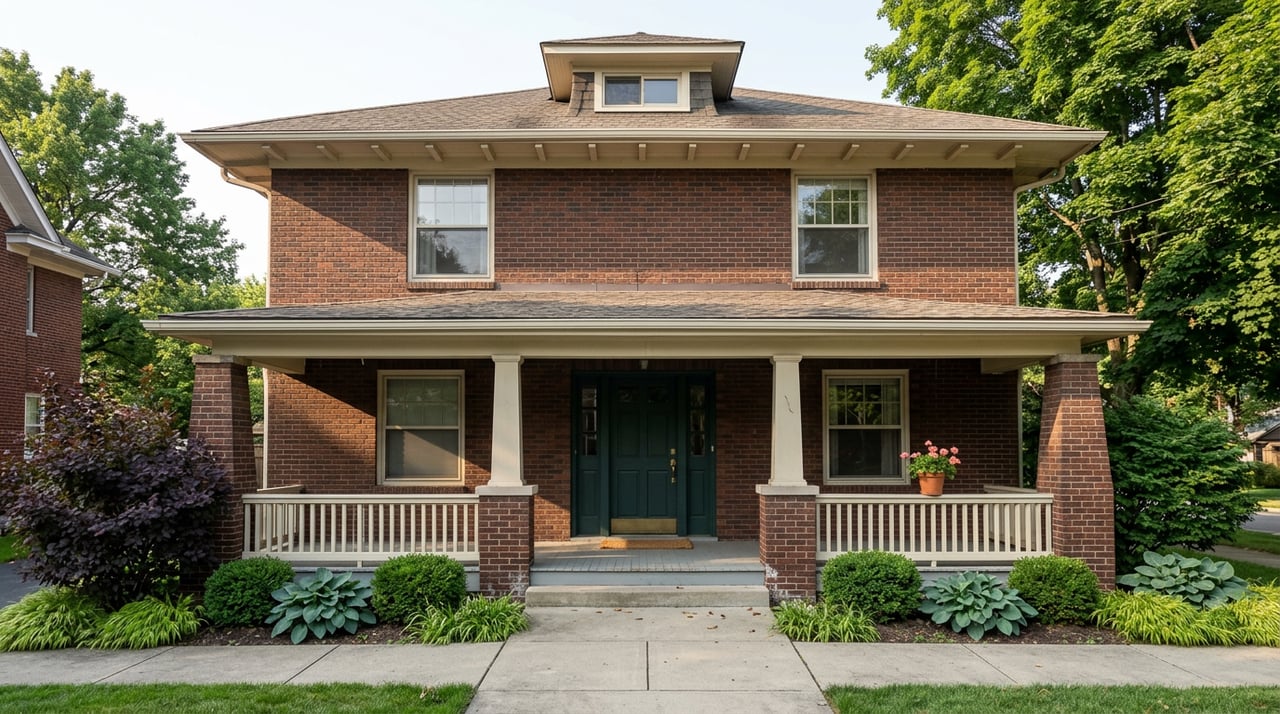
Symmetry is your cue. Expect a centered entry with classical trim, sometimes with a pediment, columns, or pilasters. Windows are usually double-hung with multi-pane uppers. Materials are often brick or clapboard with balanced proportions. Photograph fanlights, sidelights, and evenly spaced windows.
Tudor Revival
Look for steep gables, half-timbering with stucco, and tall, narrow windows. You may see prominent brick chimneys with decorative chimney pots and arched front doors. This style ranges from grand to cottage-like. Closeups of timber details and chimney brickwork make great images.
Craftsman and Bungalow
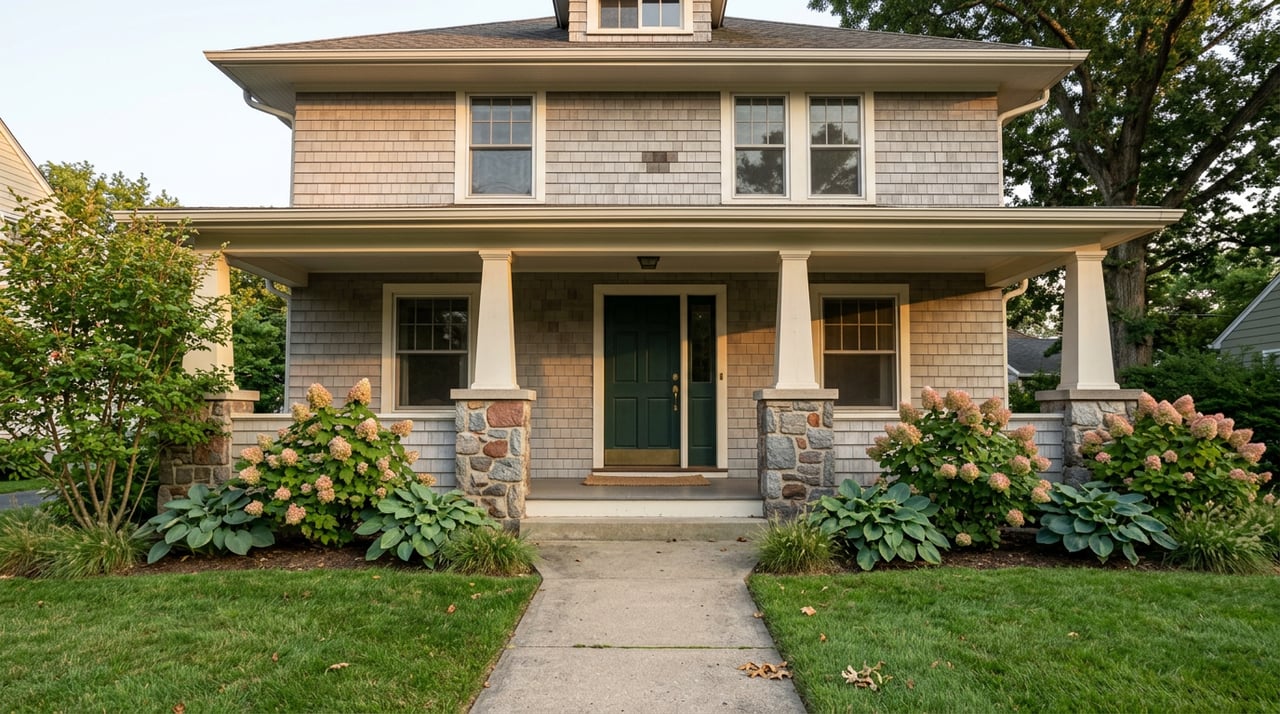
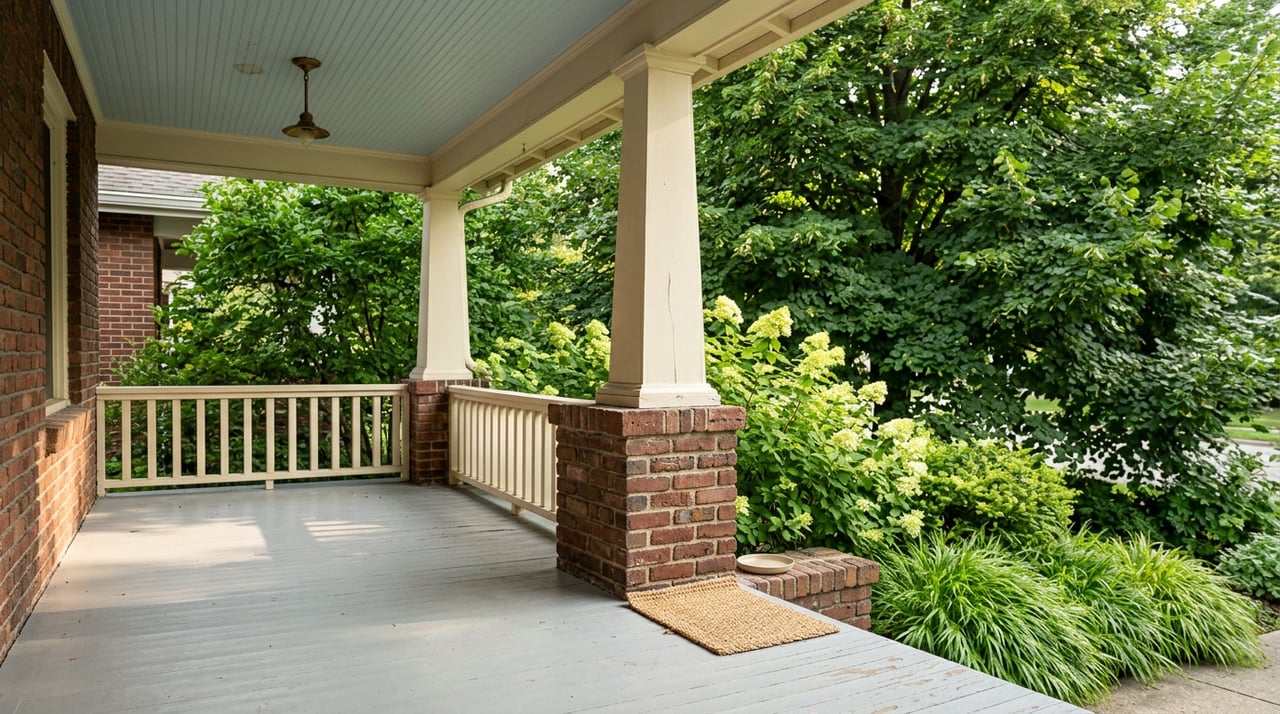
The roofline drops lower here. Wide eaves with exposed rafter tails, tapered porch columns on piers, and a focus on wood and stone define the look. Interiors often show built-ins and a more open flow between living and dining. Photograph porch supports, rafters, and any visible built-in cabinetry.
Prairie influence
Some local homes blend early 20th-century trends. You may see a horizontal emphasis, grouped windows, and broad eaves. These cues often appear alongside other revival details.
Details to spot curbside
A short walk in Summit Hill turns up a catalog of craftsmanship. Keep your eye on these elements:
- Roof shapes: turrets, mansards, intersecting gables, grouped dormers.
- Porches: wraparound verandas, heavy stone porches, and porte-cocheres.
- Wall textures: patterned shingle work, rusticated stone, and brick bonding patterns.
- Windows: stained glass, arched-head openings, and paired or tripled casements.
- Ornament: cornices, brackets, dentils, spindlework, and decorative chimneys.
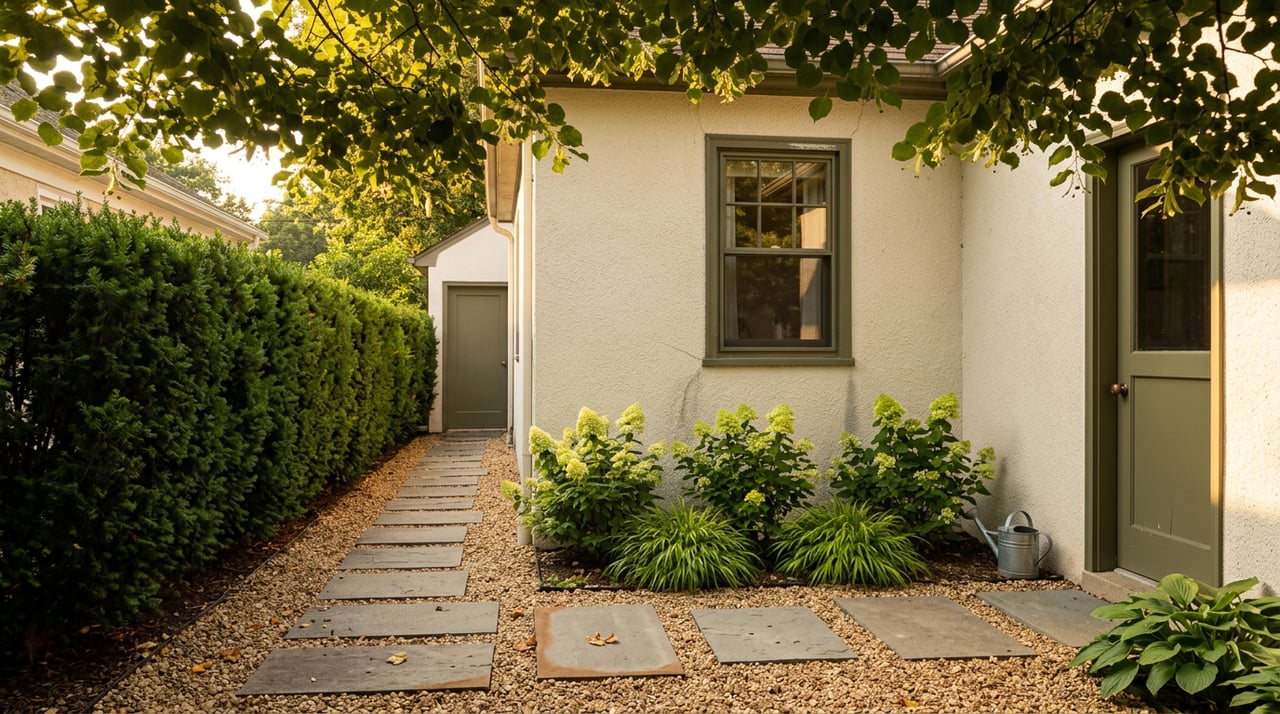
- Outbuildings: carriage houses, original fences, granite curbing, and mature street trees.
If you tour interiors during an open house or private showing, notice the room proportions and finish materials. Many larger homes feature formal parlors and front stair halls, while Craftsman interiors lean more open with visible joinery. Look for original hardwood floors, plaster moldings, mantels, and decorative tile. You may also see period mechanicals, from radiators to evidence of gas-to-electric conversions.
How to tell styles apart fast
- Queen Anne vs. Second Empire: The Queen Anne shows asymmetry, towers, and mixed textures. The Second Empire is defined by its mansard roof.
- Romanesque vs. Tudor: Romanesque uses heavy stone and round arches. Tudor highlights steep gables, half-timbering, and narrow windows.
- Colonial Revival vs. Craftsman: Colonial Revival is formal and symmetrical. Craftsman is lower, wider, and emphasizes natural materials and exposed structure.
Most homes blend eras and updates. It is common to see Colonial Revival details added to earlier houses or porches enclosed later. When in doubt, describe what you see: a turret, half-timbering, a fanlight, or patterned shingles.
Buyer reality check: common issues
Older homes reward you with character, but they also ask for good stewardship. As you tour, use this quick checklist:
- Foundations and masonry: Look for bulging brick, spalling mortar, and shifts in stone foundations. Ask about past tuckpointing.
- Roofs and flashing: Complex rooflines can leak at valleys, towers, and dormers. Check age, material, and flashing around details.
- Porches: Wood posts, steps, and flooring often need repair. Pay attention to rot at bases and where the porch meets the house.
- Windows and trim: Original wood windows are common. Test sash operation, inspect for rot, and note glazing putty condition. If replaced, check style compatibility.
- Mechanical systems: Older wiring, undersized electrical service, and original plumbing can still be present. Factor upgrades into your budget.
- Paint and materials: Lead paint may exist in older finishes. Plan for safe work practices.
- Insulation and comfort: Many historic walls and roofs lack modern insulation. There are sensitive retrofit options that respect finishes.
- Moisture and grading: Mature trees and older drains can push water toward foundations. Confirm that grading carries water away.
A full home inspection is essential. If you plan a renovation, talk to contractors who know older buildings and can work within preservation guidelines.
Preservation basics in Summit Hill
Parts of Summit Avenue and the surrounding blocks fall within designated historic districts. This status shapes what you can change on the exterior. Local review typically focuses on alterations visible from the street. Interior changes are usually less regulated.
Before you buy or start a project, confirm whether a property is locally designated or only listed on the National Register. The City of St. Paul’s heritage staff and commission oversee local reviews. You can expect to submit plans for exterior changes, and you may need a certificate of appropriateness. Review typical timelines with your contractor.
Historic designation can open the door to rehabilitation tax credits or grant programs for qualifying work that meets preservation standards. It may also limit some exterior modernization. Plan ahead, and build your schedule with review time in mind.
Photographing Summit Hill like a pro
A few small choices can help you capture the neighborhood at its best:
- Aim for morning or late-afternoon light to bring out texture and avoid harsh shadows.
- Start with a wide shot to show the façade and street trees, then move in for porch, window, and trim details.
- Mix vertical and horizontal frames to show height and massing.
- If you hope to photograph interiors, ask permission in advance and be respectful of schedules and privacy.
For a personal shot list, include a street scene, a turret closeup, a carved stone arch, a half-timber panel, a stained glass window, and a carriage house tucked behind the main home.
Living well in a historic home
Many Summit Hill homes have been updated for modern life. You will see renovated kitchens, finished basements, and adapted carriage houses. These homes can meet today’s needs with thoughtful planning.
Be ready for a few tradeoffs. Closets can be narrower, bathrooms may be smaller, and some stairs feel steeper than new construction. With smart design and sensitive changes, you can balance daily comfort with long-term preservation.
Ready to find your Summit Hill fit?
If you are drawn to turrets, arches, or hand-cut trim, you are in the right neighborhood. You deserve a guide who loves the architecture and understands the practical side of ownership, from budgeting for a new roof valley to navigating design review.
If you are buying, selling, or planning a renovation in Summit Hill, let’s talk about your goals and timeline. For tailored guidance, renovation-aware pricing, and photo-forward marketing, reach out to Claire Johnston. Prefer to start with numbers, use the site’s tools to get your instant home valuation.
FAQs
How do I tell Queen Anne from other Victorian styles in Summit Hill?
- Queen Anne shows asymmetry, turrets, mixed wall textures, and ornate woodwork, while Second Empire has a mansard roof and Romanesque highlights heavy stone with round arches.
Are exterior modifications allowed on Summit Hill historic homes?
- Many exterior changes visible from the street require local review and approval, while interior changes are generally less restricted; confirm requirements with the City of St. Paul.
What maintenance costs should I expect with a Summit Hill home?
- Plan for higher upkeep than new builds, such as roof and flashing work, masonry repointing, wood porch repairs, and potential electrical or plumbing upgrades.
Do Summit Hill historic homes work for modern living?
- Yes, many have updated kitchens and systems and finished lower levels, though you may trade off closet size or bathroom count and budget for sensitive renovations.