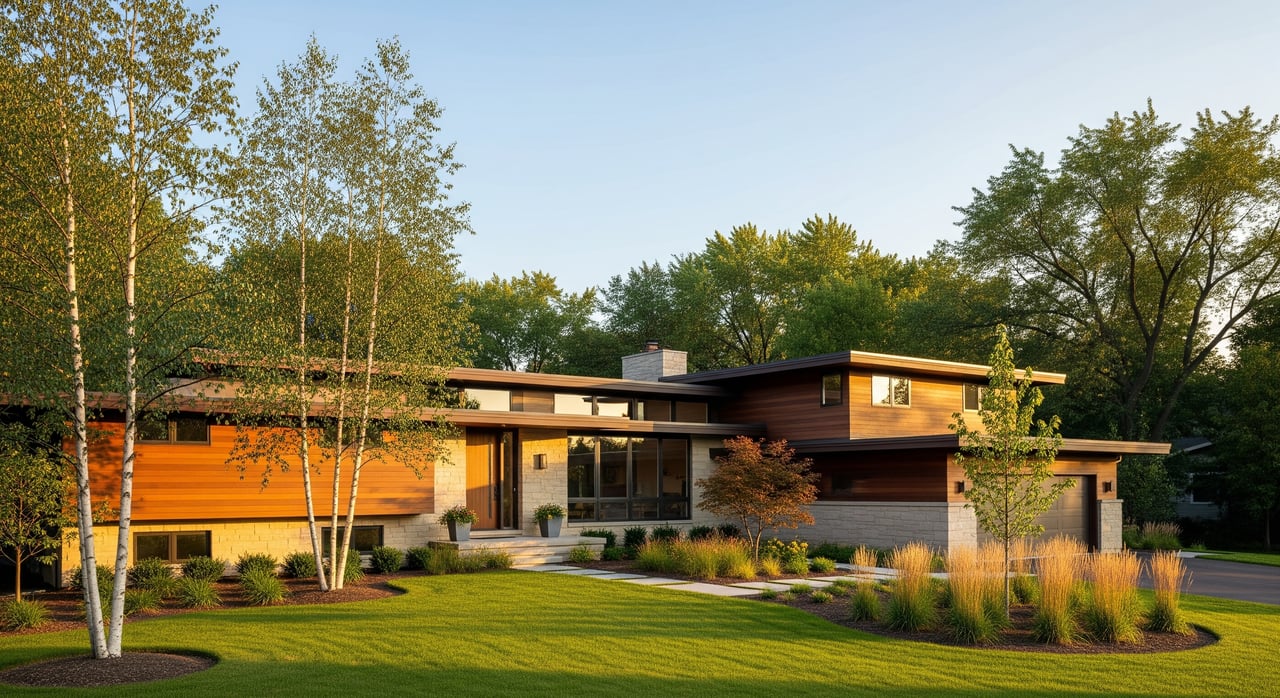
Thinking about a Golden Valley split-level or rambler but not sure what to expect behind those mid-century lines? You are not alone. These homes offer smart footprints, solid bones, and great potential if you understand the layouts, typical quirks, and the best places to invest. This guide breaks down what defines these homes in Golden Valley, common renovation paths, rough cost signals, and which updates usually pay you back at resale. Let’s dive in.
What these homes are
Ramblers are single-level homes with a low-pitched roof and an attached garage. Many have hardwood floors under carpet, compact kitchens, and efficient footprints that are ideal for main-floor living. Split-levels stack short sets of stairs, often with the living room and kitchen on the entry level, bedrooms up a half-flight, and a family or rec room down.
Construction typically includes poured concrete or block foundations, dimension lumber framing, and insulation levels that are lower than current code. Windows may be original single-pane or early double-pane. Mechanical systems vary, but many homes are due for furnace, AC, or panel upgrades if they have not been replaced in recent years.
Golden Valley lots and context
Most mid-century streets in Golden Valley offer small to medium lots, often around 6,000 to 12,000 square feet. You will see attached one or two-car garages, modest rear yards, and mature trees that add charm and shade. Corner lots or parcels that back to parkland can be good candidates for additions or larger remodels.
Proximity to Theodore Wirth Park, commuting corridors, and local schools tends to increase demand. That can justify higher renovation budgets when the location aligns with your priorities. Buyers here often include downsizers who want main-floor living and younger buyers seeking a practical home in an established neighborhood.
Floor plans you will see
- Ramblers: Compact kitchens that can feel closed off, living and dining at the front, bedrooms grouped down a hall, and a lower level ready for finishing.
- Split-levels: A main living zone near the entry, bedrooms on the upper half-level, and a lower level that often becomes a family room, office, or guest suite.
- Common features: Original hardwood floors, mid-century built-ins, tile or linoleum in baths and kitchens, and attached garages that shape the interior layout.
Smart renovation pathways
Open the kitchen
Many buyers want a connection between kitchen, dining, and living spaces. The first step is to determine if the wall you want to remove is load-bearing. If it is, bring in a structural engineer to size a beam and detail bearing points. Plan for rerouting ducts, plumbing, and electrical before finalizing cabinet layout and finishes.
Typical ballpark costs vary: a small non-load-bearing opening can land in the low thousands. Removing a load-bearing wall with a new beam often runs from the mid-thousands to low five figures. A full midrange kitchen remodel usually falls in the low to high five figures depending on size and finishes. Thoughtful layout changes that improve flow often deliver strong appeal in Golden Valley without overbuilding for the neighborhood.
Finish the lower level and add egress
Turning a basement into legal living space is a classic way to add function and value. If you want a bedroom downstairs, you will need an egress window or door sized to code under the Minnesota State Building Code. Plan for ceiling height, ventilation, lighting, and moisture control, including sump pumps or drainage improvements if needed.
Installing an egress window can range from a few thousand into higher costs if you need extensive excavation or structural work. Finishing a lower level with framing, insulation, drywall, electrical, flooring, and possibly a bathroom typically lands in the low to mid five figures, higher with a full bath. Proper permits and inspections matter because buyers and appraisers place higher value on legal, permitted square footage.
Update or add bathrooms
Original baths are common and can feel tight. A midrange bathroom update generally falls in the low to mid five figures. Adding a new full bath costs more due to plumbing rough-in and fixtures. The location of existing plumbing stacks often sets feasibility and budget.
If main-floor living is a goal, consider adding a main-floor full bath or creating a primary suite where the layout allows. Accessibility features like a curbless shower and blocking for future grab bars can broaden appeal without adding luxury-only costs.
Mechanical and energy upgrades
Expect to evaluate the furnace or boiler, air conditioning, electrical panel, windows, and insulation. Many mid-century homes benefit from attic insulation, targeted wall insulation, high-efficiency mechanicals, or heat pump conversions. Utility rebates and nonprofit programs in Minnesota often support heat pumps, insulation, and weatherization, which can lower operating costs and increase comfort. Pairing efficiency upgrades with visible interior improvements tends to resonate with Golden Valley buyers.
Permits and code in Golden Valley
Plan to pull permits for structural changes, added bedrooms or bathrooms, significant electrical or plumbing work, and finished basements. Work must meet the Minnesota State Building Code, and the City of Golden Valley Building Division will handle permits and inspections. Always verify that past renovations were permitted, since unpermitted work can affect financing, appraisal, and negotiations.
Common inspection findings
- Safety and materials: Pre-1978 homes require lead-based paint disclosure. Many mid-century houses may have asbestos-containing materials in floor tile, mastics, or pipe insulation. Test before demolition and use qualified contractors.
- Electrical and plumbing: Older wiring may lack grounded circuits or have undersized service. Galvanized plumbing can corrode. Some later-era materials may also need attention.
- Radon: Minnesota has elevated radon potential, so plan to test and budget for mitigation if levels exceed recommendations.
- Structure and moisture: Hairline foundation cracks are not uncommon. Grading, gutters, and sump systems should be reviewed to keep basements dry.
- Roof and envelope: Low-slope or complex rooflines need careful inspection for flashing and water management. Windows and insulation often lag today’s standards and are good candidates for upgrades.
What boosts resale in Golden Valley
- Kitchen flow and sight lines: Opening to the dining or living area with quality but not overly luxe finishes tends to perform well.
- Main-floor bathroom or primary suite: Added function on the main level appeals to many buyers seeking long-term comfort.
- Finished lower level with legal bedroom and bath: Egress plus a well-planned bath meaningfully increases usable square footage.
- Energy efficiency: High-efficiency HVAC or heat pumps, attic insulation, and upgraded windows support comfort and lower bills.
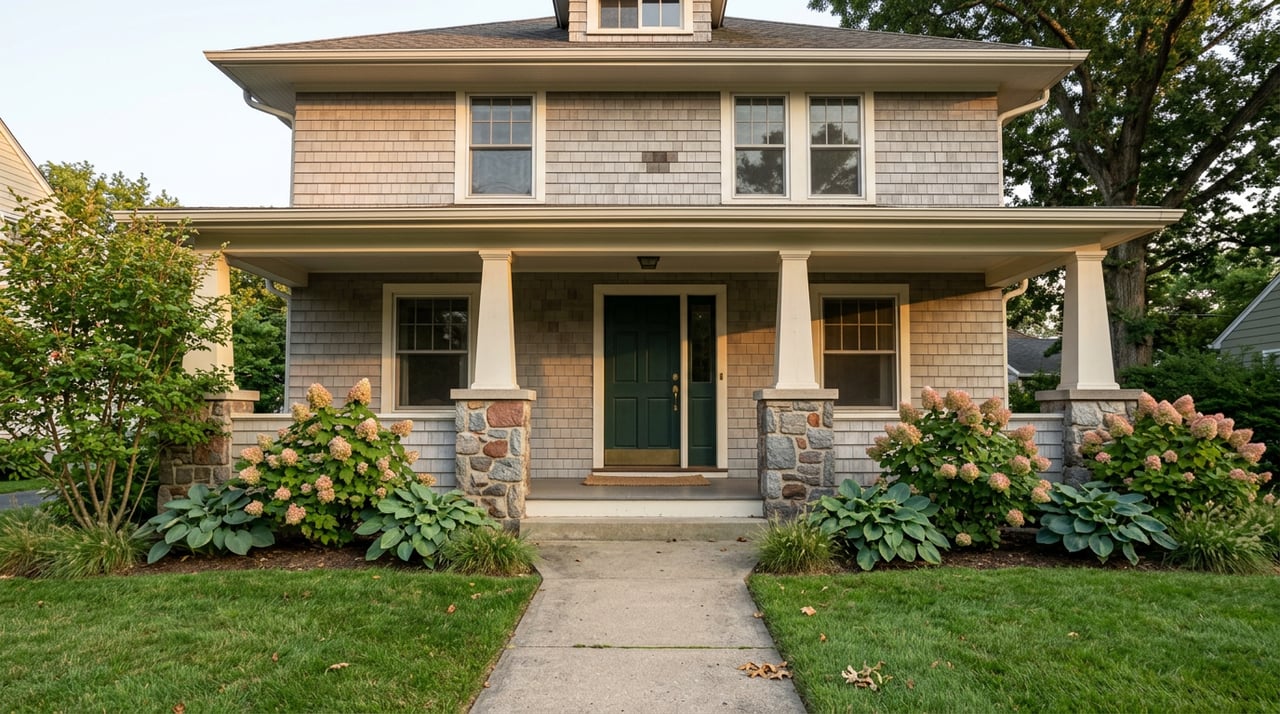
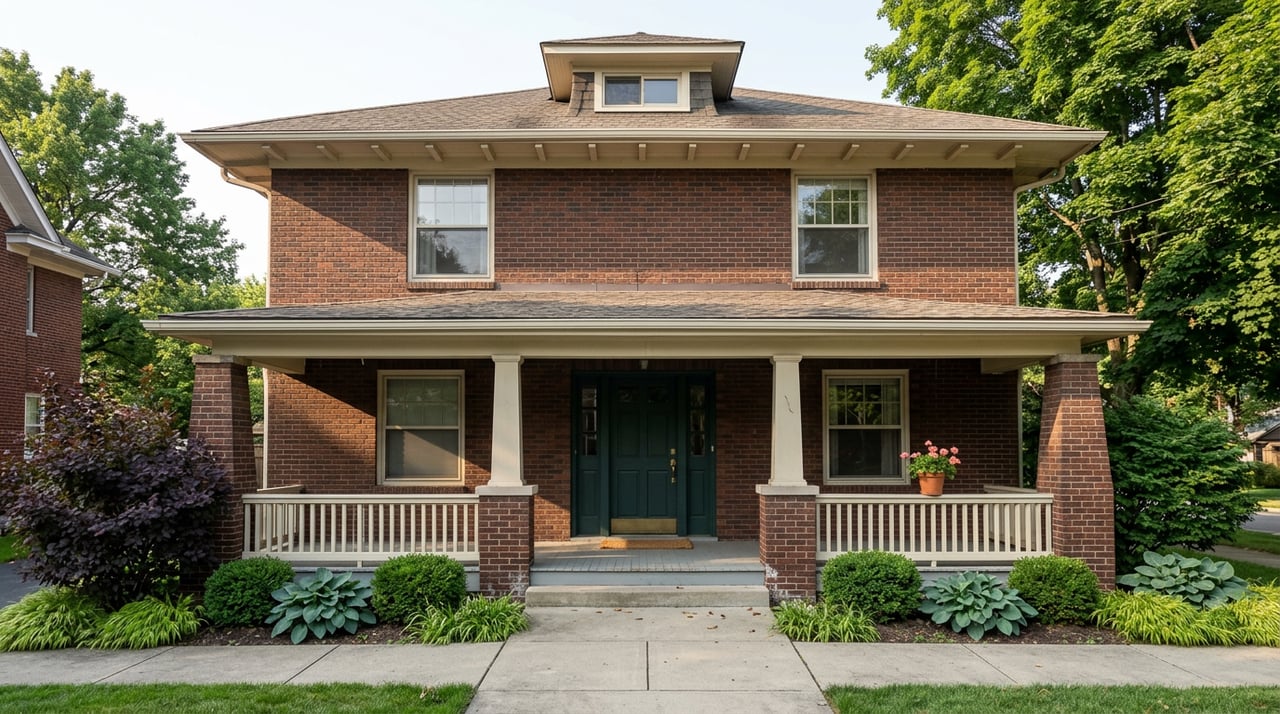
- Curb appeal: A healthy roof, refreshed siding and trim, updated garage doors, and simple landscaping create strong first impressions.
Avoid overbuilding for the street. Match the scope and finish level to comparable homes nearby. Focus first on safety, code, and a functional plan, then layer in finishes that complement mid-century character like hardwood floors and built-ins.
Cost and timeline signals
- Small cosmetic updates: A few weeks, low thousands.
- Midrange kitchen remodel: About 6 to 12 weeks, low to high five figures depending on scope and finishes.
- Remove a load-bearing wall: Several weeks, mid-thousands to low five figures.
- Basement finish with egress and bath: About 8 to 16 weeks, low to mid five figures or higher with complex conditions.
- Add a new bathroom: Weeks to months, low to mid five figures.
- Mechanical replacements: Days to a couple of weeks, several thousand to low five figures for heat pump options.
Actual costs depend on labor availability, permit timing, and what you discover once walls open. Get multiple bids and ask for a clear scope with allowances for concealed conditions.
How to shop and plan your budget
- Define your must-haves: Do you need a main-floor bath now, or can you phase it after move-in? Decide early.
- Walk the lot and shell: Look at roof age, foundation, drainage, and garage layout. These set the baseline for your budget.
- Prioritize permits and safety: Verify past permits and plan for code-compliant work. Legal square footage and documented upgrades protect value.
- Phase smartly: Start with moisture control, electrical, and mechanicals, then tackle kitchens and baths.
- Align scope with comps: Calibrate finish level to the neighborhood so you recoup more at resale.
Ready to find a Golden Valley rambler or split-level with the right bones and a clear plan for value-add improvements? Reach out to Claire Johnston for renovation-aware buyer representation, budget coaching, and local comps that make your decisions easier.
FAQs
What defines a Golden Valley rambler or split-level?
- Ramblers are single-level homes with efficient footprints, while split-levels stack short stairs to separate living, bedroom, and family room zones, both common from the 1950s to 1970s.
How big are typical Golden Valley lots for these homes?
- Many parcels are about 6,000 to 12,000 square feet, with attached one or two-car garages and modest rear yards.
Which renovations usually add the most value here?
- Kitchen layout improvements, a main-floor bath or primary suite, a permitted lower level with egress bedroom and bath, energy upgrades, and curb appeal updates.
Do I need a permit to finish a basement or remove a wall?
- Yes. Structural changes, finished basements, added bedrooms or baths, and major electrical or plumbing work typically require permits through the City of Golden Valley under the Minnesota State Building Code.
What should I watch for during inspection on mid-century homes?
- Lead-based paint in pre-1978 homes, potential asbestos in some finishes, older electrical or plumbing, radon, foundation or drainage issues, and lower insulation levels.
How much does an egress window and basement finish cost?
- Egress installation can run from a few thousand upward with excavation, and a finished lower level with a bath is commonly in the low to mid five figures depending on scope and finishes.
Are energy upgrades worth it for resale?
- Yes. High-efficiency HVAC or heat pumps, attic insulation, and improved windows lower operating costs and are increasingly valued by buyers in Golden Valley.