Trying to choose between a Craftsman and a Tudor in Southwest Minneapolis? You are not alone. In neighborhoods like Linden Hills, Lynnhurst, and Fulton, many buyers fall for both styles at once, then realize the right fit depends on more than curb appeal. This guide will help you spot the differences, understand what matters during showings, and buy with a clearer sense of how each style lives, ages, and renovates. Let’s dive in.
Why Southwest Minneapolis Is Ideal
Southwest Minneapolis is one of the best places in the city to compare these two styles side by side. Several core neighborhoods were shaped during the streetcar era and still have a strong concentration of early-20th-century homes.
Linden Hills saw much of its growth in the 1910s through the 1930s, when Craftsman, Prairie School, and Period Revival homes were built. Lynnhurst’s first houses date to 1893, Craftsman and Prairie designs arrived in the early 1900s, and nearly all lots were filled by 1937. Fulton is also described by the city as a neighborhood of older, mainly single-family homes on the southwest edge of Minneapolis.
That history matters because these homes are often defined less by sheer size and more by their architectural character. Rooflines, porches, windows, masonry, siding, woodwork, and lot setting often tell you more than square footage ever could.
Craftsman Style Basics
Craftsman homes usually feel grounded, relaxed, and connected to the outdoors. In Southwest Minneapolis, they are especially common in neighborhoods that developed during the early 1900s.
Craftsman exterior features
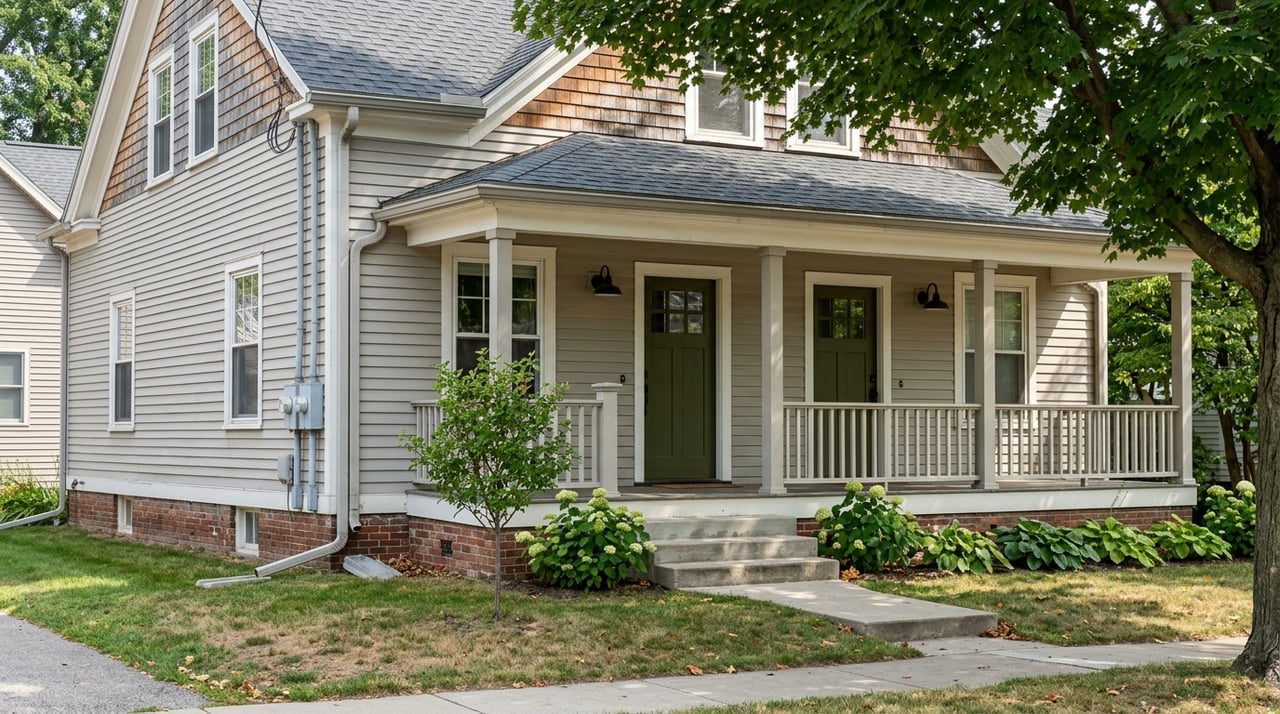
When you walk up to a Craftsman, look for a lower, more horizontal shape. These homes are often one to one-and-one-half stories, with broad gables, gently pitched roofs, wide eaves, exposed rafters, and deep front porches.
Porch supports are another major clue. Tapered or square columns are common, and the overall look tends to highlight natural materials and visible construction details instead of decorative drama.
In Linden Hills, the Linden Hills Methodist Episcopal Church is a useful local style reference. The city describes it as an unusual Craftsman example with rough plaster, a boxy form, an entrance porch, a multi-gable roof, and half-timbering.
Craftsman interior feel
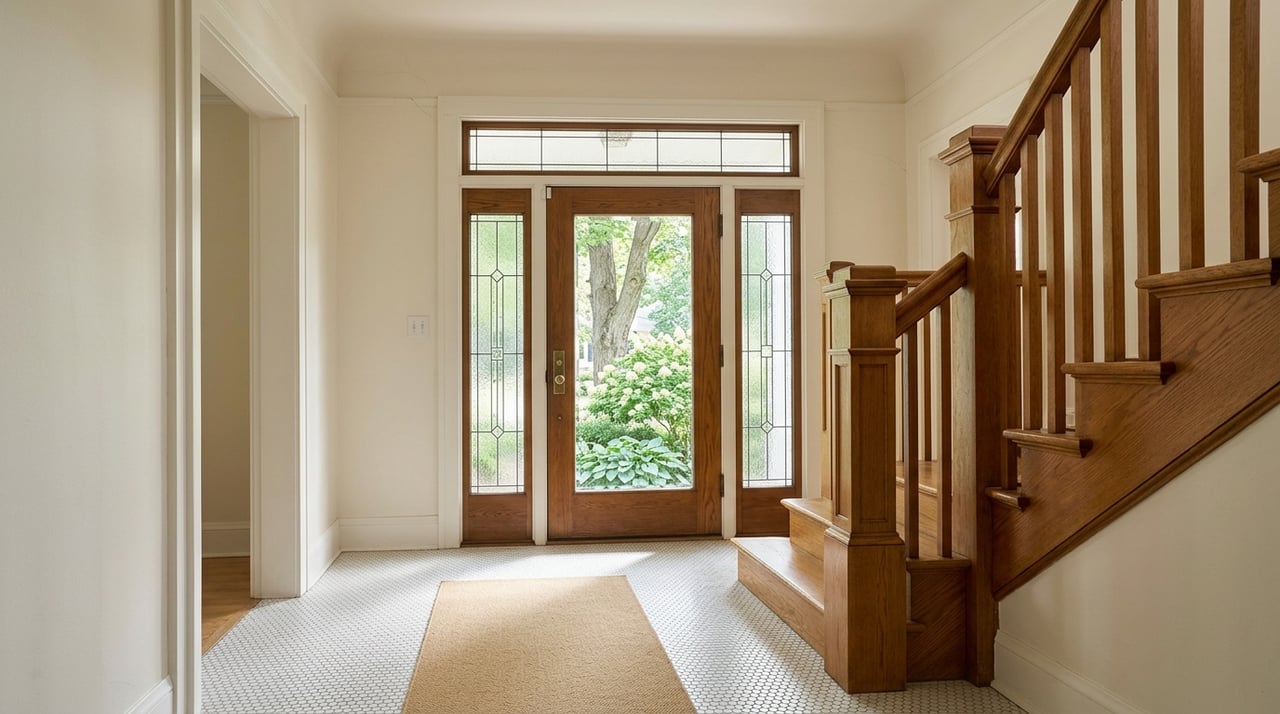
Inside, Craftsman homes often feel casual and efficient. Typical features include more open main-floor layouts, abundant windows, natural woodwork, built-ins, and hand-crafted lighting details.
For you as a buyer, that often translates into a warmer, more connected day-to-day living experience. These homes can feel less formal and less compartmentalized than some other older styles.
Craftsman updates to evaluate
Many Craftsman buyers spend just as much time evaluating later updates as they do admiring original charm. Kitchens, bathrooms, porch work, windows, and additions can all change how well the house functions and how much original character remains.
If a home is in a local historic district, exterior changes may be more limited. Minneapolis preservation standards emphasize repair over replacement and discourage adding false historic details, while Lynnhurst guidelines prioritize preserving roof shape, original door openings, and historic wood windows.
Tudor Style Basics
Tudor homes usually make a stronger first impression from the street. If Craftsman reads as warm and grounded, Tudor often reads as dramatic and storybook.
Tudor exterior features
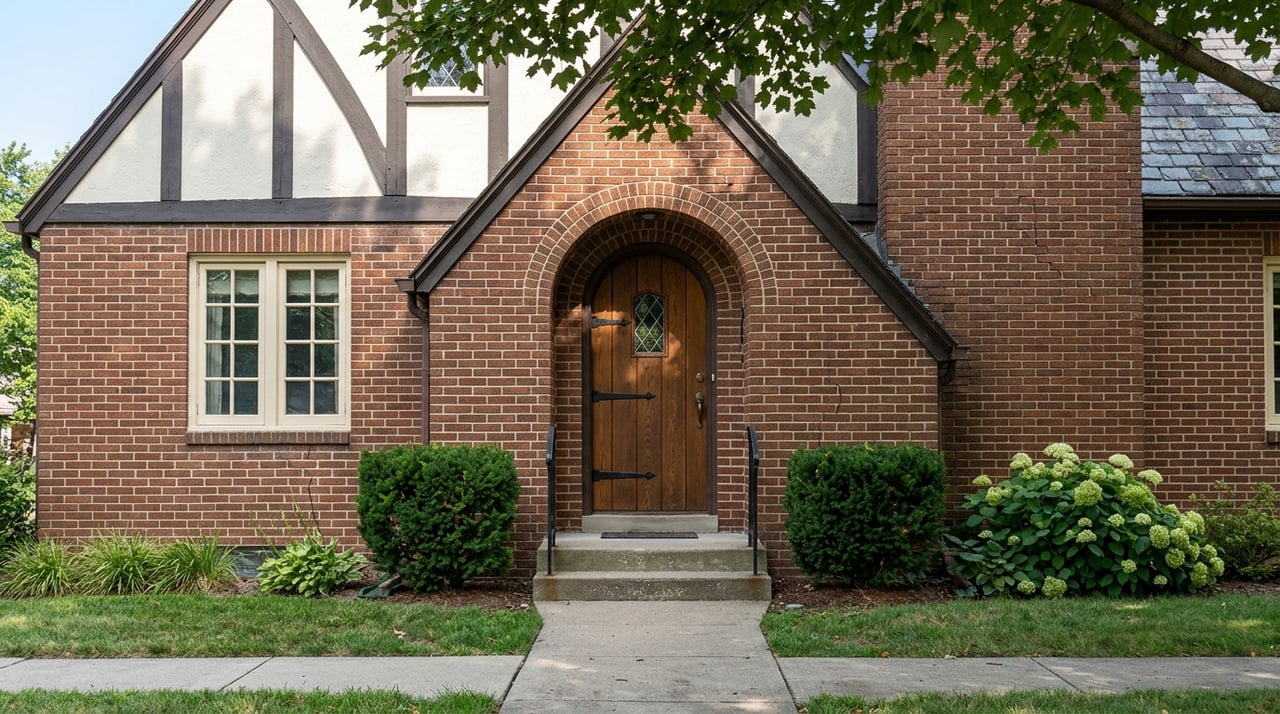
Tudor Revival homes are often easy to spot because of their steeply pitched gables and asymmetrical shapes. You may also see decorative half-timbering, stucco, brick, stone, wood, tall narrow windows, and prominent chimneys.
In Fulton, the Walling House is identified as an excellent Tudor Revival example, specifically an English Cottage variant. In Linden Hills, the Linden Hills Library shows the style in a smaller civic form, with red and brown brick, a steep gable roof, and colorful slate tiles.
Tudor interior feel
Inside, Tudor homes often feel more enclosed and a bit more formal than Craftsman homes. Period Revival interiors commonly feature fireplaces, paneling, built-ins, wood floors, and rich finish details.
That does not mean every Tudor feels chopped up or outdated. Many have been updated for modern living, but they often still retain a stronger sense of separate rooms and a more defined layout.
Tudor updates to evaluate
With Tudor homes, the key questions often shift toward exterior materials and structure. Masonry and stucco condition, chimney integrity, roof maintenance, and replacement window choices can all have a major impact on cost and character.
Lynnhurst’s design guidelines are especially helpful for buyers comparing windows and roofs. They state that historic roof shape and pitch should be preserved, wood or aluminum-clad wood windows are preferred, and vinyl windows are not approved.
Craftsman vs Tudor at a Glance
If you are deciding between the two, it helps to compare not just style but daily experience.
| Feature | Craftsman | Tudor |
|---|---|---|
| Overall look | Low-slung and horizontal | Steeper, more vertical, more dramatic |
| Porch and entry | Deep porches are common | Porch presence varies, often less dominant |
| Materials | Natural wood, siding, stucco | Brick, stucco, stone, half-timbering |
| Window feel | Broad, abundant light | Tall, narrow, more defined openings |
| Interior vibe | Casual and connected | More formal and enclosed |
| Common buyer focus | Flow, woodwork, built-ins, porch condition | Roof, stucco or masonry, chimney, window proportions |
A simple shorthand is this: Craftsman often fits buyers who want easy indoor-outdoor flow and a more casual main floor, while Tudor often fits buyers who want stronger exterior character, richer material contrast, and more clearly defined rooms.
What Matters More Than Style
No matter which style you prefer, the smartest buying questions are often the same. The real issue is not just whether the home started as a great example of its style, but whether later work respected that original architecture.
Ask what is original
Start with the basics. What windows, doors, trim, floors, built-ins, and exterior materials appear to be original, and what has been replaced?
Original features often carry much of the home’s character. They can also affect future maintenance plans, renovation choices, and resale appeal.
Review additions carefully
Additions can be a plus when they add useful space, but they are worth a closer look in both Craftsman and Tudor homes. Ask whether the rooflines, massing, and materials feel consistent with the original structure.
A well-handled addition can make an older home live better. A poorly handled one can interrupt the style, create awkward flow, or signal hidden cost.
Check the big-ticket exterior items
For both styles, roof condition matters. So do windows, exterior cladding, porches, chimneys, and signs of deferred maintenance.
In older Southwest Minneapolis housing stock, those elements often shape both immediate costs and long-term stewardship. A beautiful house with compromised exterior systems can become expensive quickly.
Historic District Rules to Know
If you are shopping in Lynnhurst, preservation review should be part of your due diligence early on. In that district, all exterior changes require CPED review.
Larger projects need a Certificate of Appropriateness. Minor in-kind repairs may be handled administratively with a Certificate of No Change.
The Lynnhurst guidelines apply to exteriors and select landscape features, not general interior planning. That gives buyers some flexibility inside, but it also means you should understand exterior constraints before you count on a certain renovation plan.
Neighborhood Setting Affects the Feel
In Southwest Minneapolis, the lot and streetscape often shape your experience just as much as the house itself. Lynnhurst, for example, is described as having mature trees, large lots, and detached garages that are common and preferred over attached or tuck-under garages.
That setting tends to reinforce the historic feel of both Craftsman and Tudor homes. It can also affect how additions, garages, and landscape changes fit into the broader block.
Good Local Style References
If you are just starting to train your eye, it helps to look at strong local examples. You do not need to memorize architectural vocabulary to get better at spotting what feels true to each style.
For Craftsman comparisons, use the Linden Hills Methodist Episcopal Church and the Wakefield House in Lynnhurst as reference points. For Tudor comparisons, the Walling House in Fulton and the Linden Hills Library are especially useful, and Lynnhurst offers a strong streetscape-level example with documented Tudor Revival homes.
Which Style Fits You Best?
If you love porches, built-ins, visible woodwork, and a main floor that feels connected and comfortable, you may lean Craftsman. If you are drawn to steep rooflines, masonry, dramatic curb appeal, fireplaces, and more distinct rooms, Tudor may be the better match.
The right answer is rarely just aesthetic. It usually comes down to how you want to live, how much maintenance or renovation you are prepared to take on, and how important original details are to your long-term plans.
That is where a style-specific buying strategy matters. If you want help comparing character homes in Southwest Minneapolis, Claire Johnston can help you read past the listing photos and evaluate the details that shape comfort, renovation potential, and resale.
FAQs
What defines a Craftsman home in Southwest Minneapolis?
- A Craftsman home in Southwest Minneapolis typically has a low-slung shape, broad gables, wide eaves, exposed rafters, deep porches, and visible natural materials, along with interiors that often feel more open and casual.
What defines a Tudor home in Southwest Minneapolis?
- A Tudor home in Southwest Minneapolis usually features steep gables, asymmetrical massing, mixed wall materials like brick or stucco, tall narrow windows, decorative half-timbering, and a more enclosed, formal interior feel.
What should buyers check when touring older homes in Lynnhurst?
- Buyers in Lynnhurst should look closely at what is original versus replaced, how additions were handled, the condition of the roof, windows, porches, chimneys, and whether local historic district review affects planned exterior changes.
Are exterior renovations reviewed in the Lynnhurst Historic District?
- Yes. In Lynnhurst, all exterior changes require CPED review, larger projects need a Certificate of Appropriateness, and some minor in-kind repairs may qualify for a Certificate of No Change.
Is a Craftsman or Tudor better for modern living in Southwest Minneapolis?
- Neither is automatically better. Craftsman homes often feel more open and connected, while Tudor homes often offer more defined rooms and stronger exterior drama, so the better fit depends on your layout preferences, maintenance tolerance, and renovation goals.