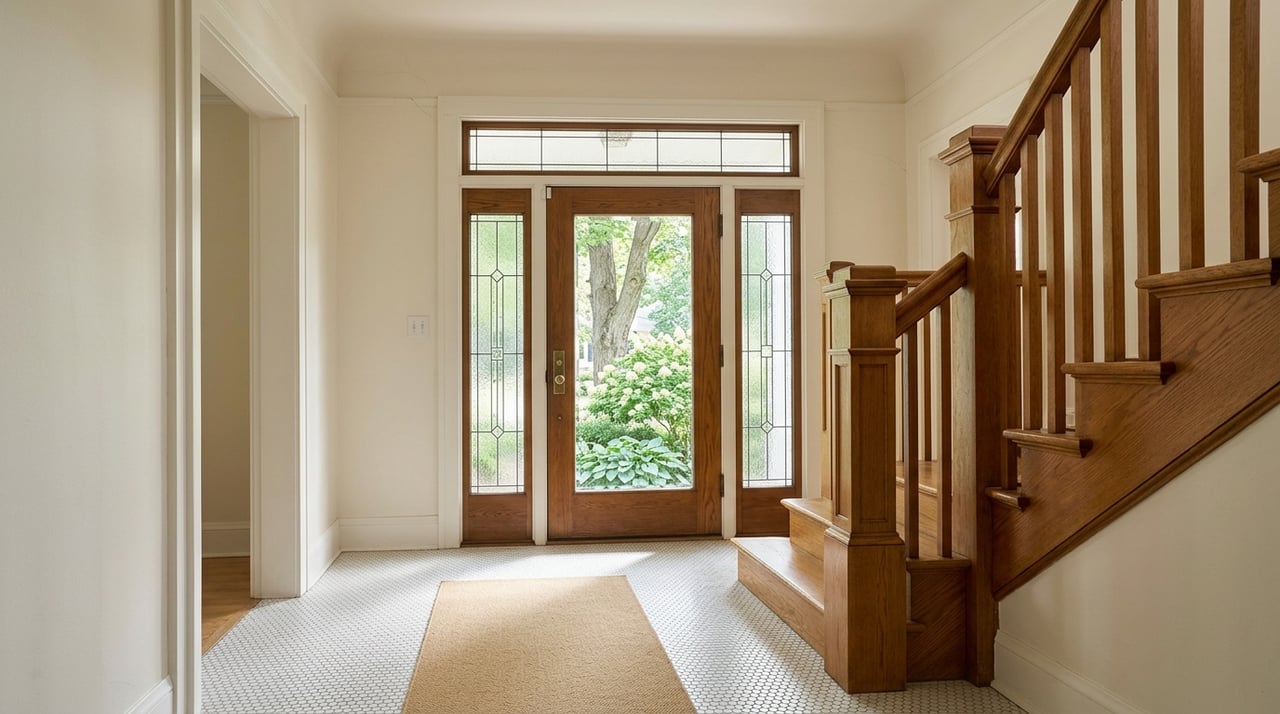
Selling a historic Summit Hill home can feel like a balancing act. You want buyers to see the beauty, craftsmanship, and soul of the house without making it feel frozen in time or overly fussy. The good news is that you do not need to strip away character to make a strong impression. With the right prep, photos, and story, you can present your home in a way that feels both timeless and current. Let’s dive in.
Why Summit Hill charm matters
Summit Hill is not a neighborhood where age is a drawback. The Summit Hill Association traces settlement to the early 1800s, with first residential development in the 1850s and 1860s, and notes that very few buildings were constructed after the late 1920s. That means historic materials, architectural detail, and established streetscapes are part of what buyers expect here.
The neighborhood includes historic mansions, wood-frame houses, row houses, and apartment buildings, so each listing enters the market with built-in context. In Summit Hill, buyers are often responding to more than square footage. They are also noticing original windows, porch presence, masonry, trim, landscaping, and how the house relates to the street.
Know your local historic context
Parts of Summit Hill fall within the Historic Hill Preservation District east of Lexington Avenue and the Summit Avenue West Heritage Preservation District west of Lexington Avenue. Other parts of the neighborhood also carry state and or national historic designation. In Saint Paul, local historic designation means a building is considered important to the city’s heritage, and proposed changes must be reviewed for compatibility with district character.
That matters before you list because not every improvement is equally smart. If your home is a designated heritage site or located within a locally designated district, exterior work requires approval from Saint Paul’s Heritage Preservation office. The city also encourages early consultation before meeting with contractors, architects, manufacturers, or suppliers.
Start with refreshes, not reinvention
If you are getting ready to sell, the safest updates are usually the simplest ones. Deep cleaning, decluttering, touch-up paint, light repair, and improved lighting can go a long way without risking the details that make the home special. These steps help buyers focus on the house itself instead of distractions.
This matters even more online. According to the National Association of Realtors, cameras tend to magnify clutter and grime, which is why prep like opening blinds, reducing furniture, removing distracting items, and keeping spaces spotless can have such a strong payoff. For a Summit Hill home, that clean presentation lets the craftsmanship take center stage.
Preserve what buyers came to see
A historic home usually shows best when its distinctive materials and finishes remain visible. National Park Service preservation standards emphasize retaining historic features, finishes, craftsmanship, and repairable materials rather than replacing them. When replacement is unavoidable, the new work should match the old in composition, design, color, and texture.
In practical terms, that means your goal is not to make an old house look brand new. Your goal is to make it look cared for, intact, and easy to understand. Buyers in a place like Summit Hill often respond better to authenticity than to flashy upgrades that erase original character.
Windows deserve special attention
Windows are some of the most visible character-defining features on a historic building. The National Park Service strongly encourages repair over replacement when historic windows can be saved. Saint Paul’s Historic Hill guidelines also favor wooden double-hung windows and vertical proportions, while generally discouraging sliding windows or sliding glass doors when they are visible from the street.
If your windows are functional or repairable, preserving them can support both the home’s appearance and its historic integrity. If replacement truly is necessary, matching the original design and proportions matters. This is one of the clearest places where thoughtful stewardship can strengthen a listing instead of complicating it.
Porches, masonry, and landscaping shape first impressions
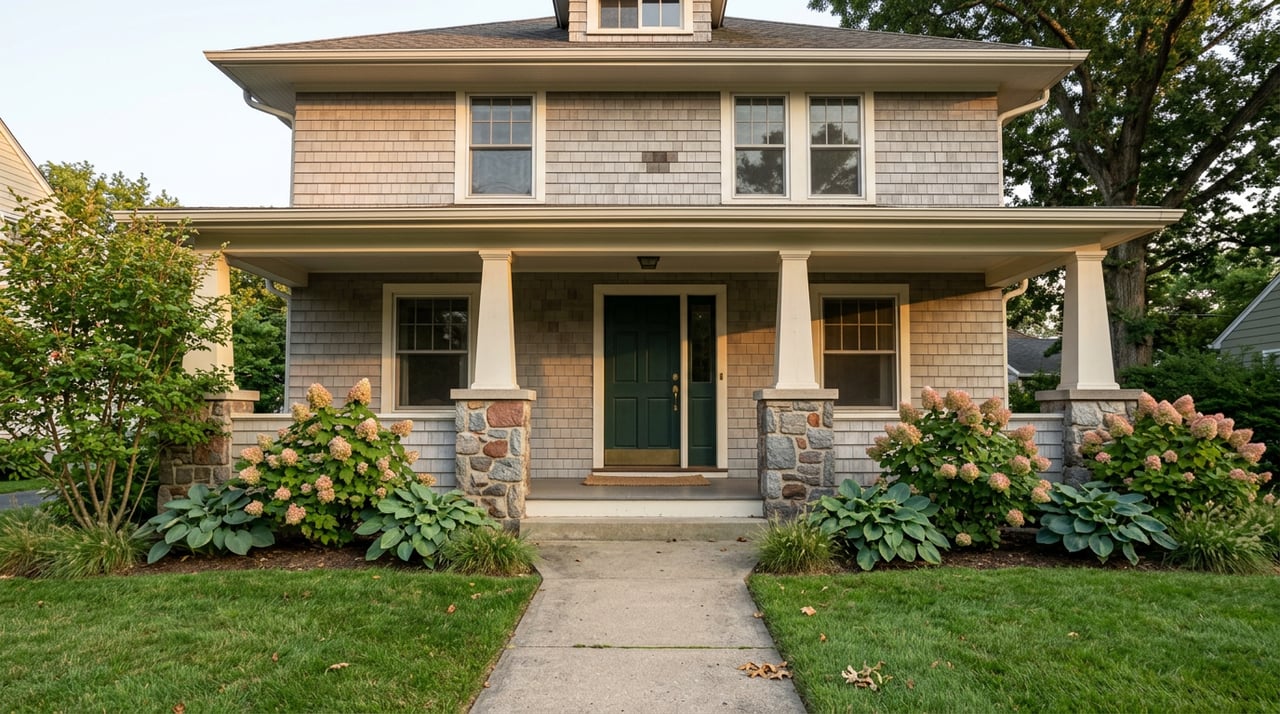
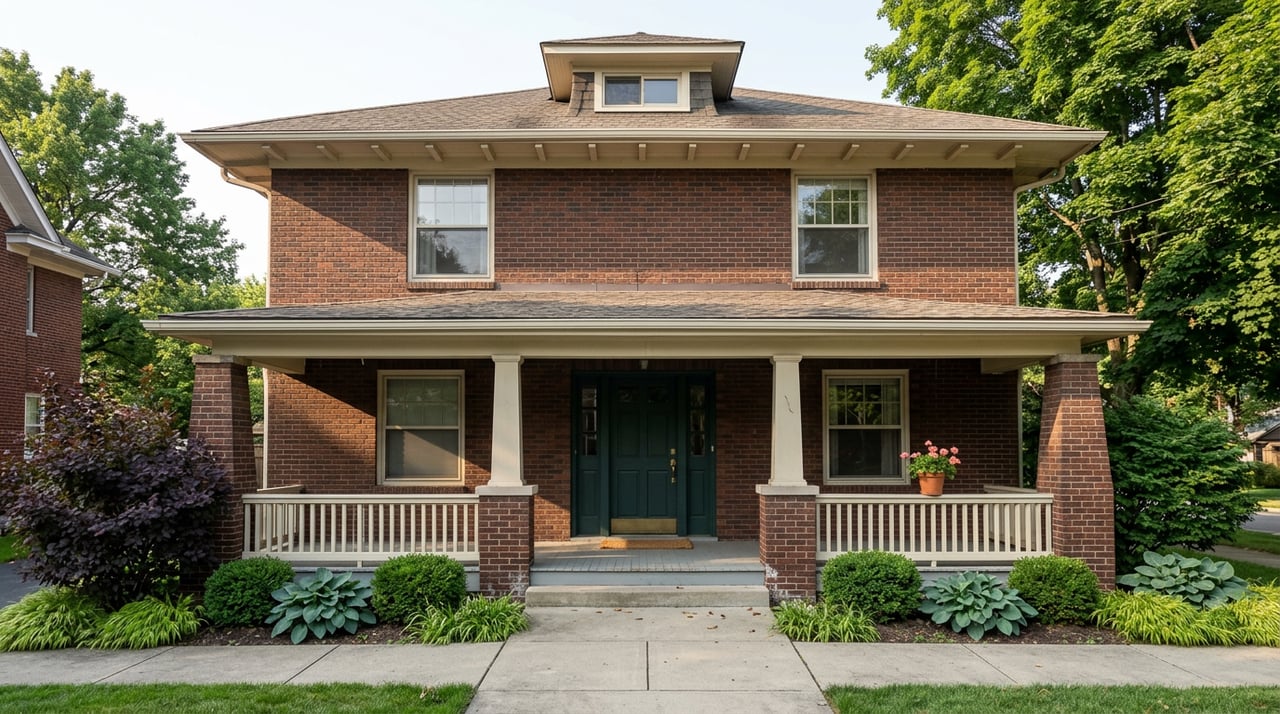
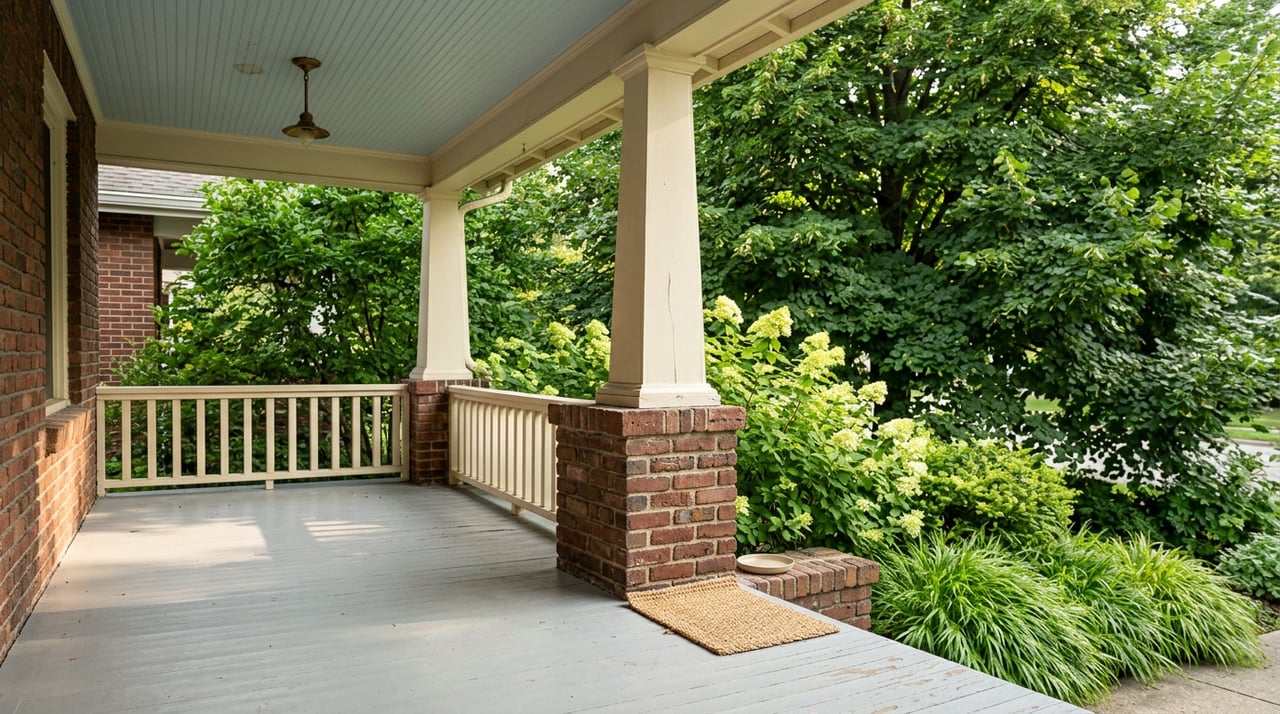
In Summit Hill, exterior character is not limited to the façade alone. Saint Paul’s guidelines identify roofed front porches as a consistent visual element in the district and prefer open porches over heavier enclosure. The same guidance recommends rear decks rather than front-facing ones.
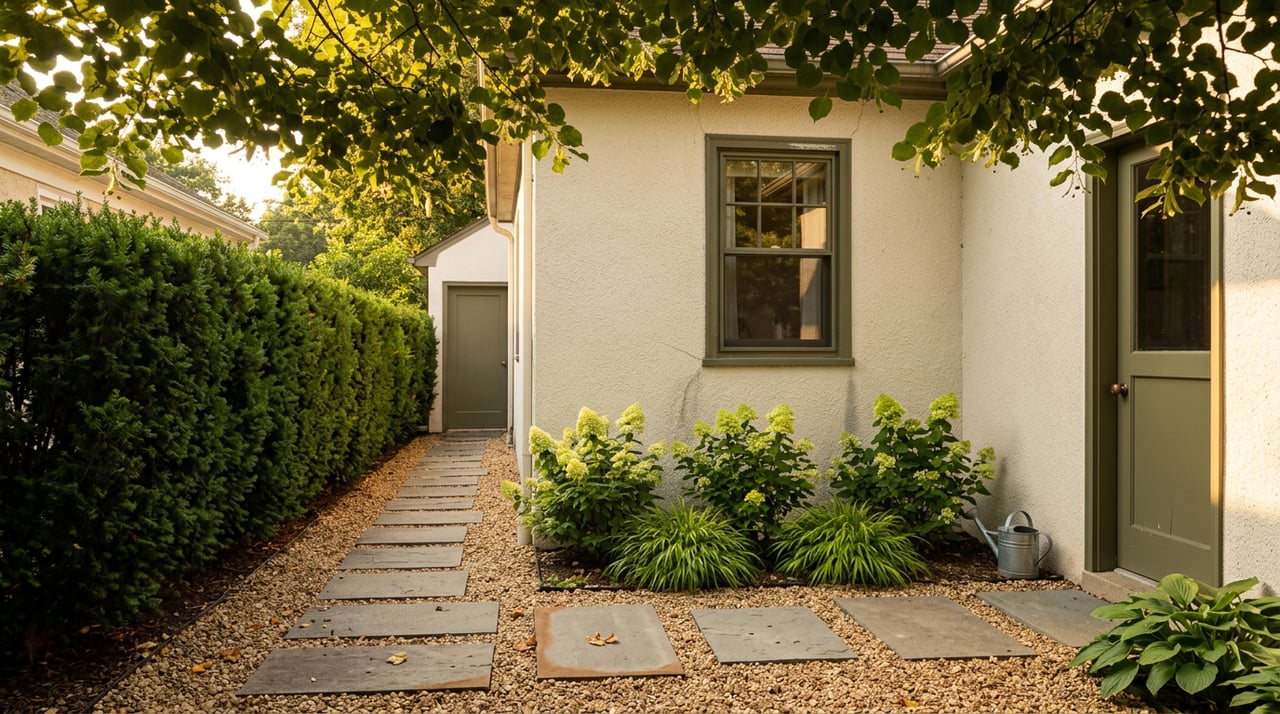
Landscape edges matter too. The city favors low hedges, open fences, limestone retaining walls, and maintained boulevard trees rather than opaque front-yard fencing or front-yard parking. If your exterior has these elements, they are not just background details. They are part of the home’s market story.
Masonry deserves a careful eye as well. The National Park Service recommends repairing deteriorated mortar joints with compatible materials and matching the historic mortar’s strength, composition, color, and texture. It warns against incompatible high-Portland-cement repointing that can damage old brick and stone.
Stage for clarity, not perfection
Staging works best when it helps buyers understand how the home lives today. In the National Association of Realtors’ 2025 survey, 83% of buyers’ agents said staging made it easier for buyers to visualize a property as a future home. The most commonly staged rooms were the living room, primary bedroom, dining room, and kitchen.
That is especially useful in an older home, where room layouts can feel different from newer construction. Thoughtful staging helps buyers read scale, circulation, and function without distracting from original details. In a Summit Hill listing, a restrained approach usually works best.
Focus on the rooms buyers notice first
If you are prioritizing where to spend time and money, start with the spaces buyers tend to judge most quickly:
- Living room
- Primary bedroom
- Dining room
- Kitchen
These rooms often carry the emotional weight of the listing. They also tend to feature some of the architectural details that make historic homes memorable, such as millwork, fireplaces, built-ins, tall windows, or formal proportions.
Photos do heavy lifting
For most buyers, your listing photos will shape the first impression. The National Association of Realtors reports that 81% of buyers rated listing photos as the most useful feature in their online home search. That makes photography one of the most important parts of a preservation-minded listing strategy.
For a Summit Hill home, the photo package should do more than document rooms. It should show the façade, porch, windows, roofline, landscaping, and the home’s relationship to the street. These are the character-defining elements that help a buyer understand why the property feels special.
Add video, tours, and floor plans
Photos matter most, but they should not work alone. NAR research also points to the value of physical staging, videos, and virtual tours, while floor plans are among the most requested visual assets after photos. These tools help buyers understand room connections, layout flow, and whether furniture will fit.
That is especially helpful in historic homes, where floor plans may be more nuanced than a standard modern layout. A strong media package makes the house feel legible. It answers practical questions while still preserving a sense of charm.
Write listing copy that tells the truth well
Beautiful photos can get attention, but the listing description helps buyers decide whether to save, share, or schedule a tour. NAR notes that buyers use descriptions to judge whether a home is worth pursuing. That means your listing copy should do more than praise the house.
For a Summit Hill property, the strongest copy usually combines historic character with useful specifics. It should clarify condition, note meaningful updates, and explain how the home functions today. When done well, the description reassures buyers that the original fabric is intact, visible details are cared for, and newer work is compatible with the home rather than competing with it.
You do not need to restore everything
One common concern among Summit Hill sellers is whether they must restore a home to some earlier version before putting it on the market. Saint Paul’s Heritage Preservation guidance is clear that district designation does not prohibit change, and the commission cannot require a building to be restored to its original design. What it does require is compatibility for proposed exterior alterations.
That distinction matters. You are not trying to turn your house into a museum piece. You are trying to show buyers a historic home that has been thoughtfully maintained and honestly presented.
A smart Summit Hill listing strategy
If you want to list without losing charm, keep your plan simple and disciplined. In most cases, the winning approach looks like this:
- Clean deeply and declutter thoroughly
- Improve lighting and reduce visual distractions
- Repair visible issues before replacing historic features
- Preserve original windows, masonry, porches, and landscape elements where possible
- Stage key rooms so buyers can understand the layout
- Invest in strong photos, video, a virtual tour, and a floor plan
- Use listing copy that explains condition, updates, and character clearly
- Check with Saint Paul Heritage Preservation before starting exterior work if your home is locally designated or inside a local district
This kind of preparation respects what makes Summit Hill special. It also makes the home easier for buyers to understand, which is often what drives strong interest.
If you are preparing to sell a historic home in Summit Hill, a preservation-minded strategy can help you protect the details buyers care about while still presenting the property beautifully online and in person. If you want help deciding what to refresh, what to leave alone, and how to tell the home’s story well, Claire Johnston can help you build a listing plan that honors both the romance and the reality of an old house.
FAQs
Do Summit Hill homes need to be restored before listing?
- No. Saint Paul says local designation does not require a building to be restored to its original design, though proposed exterior changes may need review for compatibility.
Do historic Summit Hill sellers need approval for exterior work?
- If the home is a designated heritage site or is within a locally designated district, Saint Paul requires approval from the Heritage Preservation office for exterior projects.
Should you replace old windows before listing a Summit Hill historic home?
- Usually not if they are repairable. Preservation guidance favors repair, and if replacement is unavoidable, the new windows should match the original design and appearance as closely as possible.
What rooms should be staged in a Summit Hill listing?
- The top priority rooms are typically the living room, primary bedroom, dining room, and kitchen based on 2025 NAR staging survey results.
What marketing assets matter most for a Summit Hill historic listing?
- Listing photos are especially important, and buyers also benefit from staging, video, virtual tours, and a floor plan that helps explain layout and room connections.