Wondering whether a Northeast Minneapolis duplex is a smart investment, or just a charming old building with expensive surprises? That is the right question to ask. In a part of the city known for older housing stock and steady demand, the numbers matter, but so do the systems behind the walls, the licensing rules, and the long-term upkeep plan. If you are weighing a live-in duplex or a straight rental hold, this guide will help you evaluate the deal more clearly. Let’s dive in.
What Northeast Minneapolis Data Suggests
Northeast Minneapolis looks more balanced than overheated, which can be helpful if you want to make a thoughtful investment decision instead of chasing a headline. According to the Minneapolis Area REALTORS® 2024 annual housing report, the Northeast community posted a median sold price of $340,000, with 314 closed sales, 29 cumulative days on market, and sellers receiving 100.6% of original price.
That mix points to a market with solid activity and steady buyer interest. It is not a signal to buy blindly, but it does support the idea that well-positioned properties can still move and hold attention.
A Realtor.com Northeast Minneapolis overview from February 2026 showed a median listing price of $359,900 and a median rent of $1,700. Redfin rental data cited in that same research placed Northeast median rent at $1,737, compared with $1,641 for Minneapolis overall.
For an investor, that suggests a useful starting point: Northeast can offer rent support that is slightly stronger than the city overall, but pricing and rent levels vary within the broader area. The same Realtor.com snapshot showed rents ranging from about $1,672 in Audubon Park to $1,995 in St. Anthony West, which is a reminder that one block or subarea can change your numbers.
Start With the Investment Goal
Before you get deep into spreadsheets, define what you want the duplex to do for you. In Northeast Minneapolis, a duplex can serve very different goals depending on your plan.
You might be buying for:
- Owner-occupancy with rental income
- Long-term cash flow and hold potential
- Break-even ownership with future appreciation in mind
- A value-add project with renovation upside
That distinction matters because the same building can look attractive under one strategy and weak under another. A duplex with modest current rents and strong owner-occupant appeal may still be worth pursuing if you want flexibility and partial income, while a pure investor may need tighter operating numbers to justify the purchase.
Use a Simple First-Pass Math Screen
A quick screen can help you decide whether a property deserves deeper review. Using the Northeast median sold price of $340,000 and the rent snapshot of $1,700, the rough gross rent multiple comes out to about 16.7x, based on the research report.
That is not full underwriting, and it should never replace property-specific math. Still, it can help frame the conversation. At that level, some duplexes may function better as a long-term appreciation or live-in investment play than as an immediate high-cash-flow asset.
When you evaluate a specific property, focus on the variables that truly shape performance:
- Purchase price
- Expected monthly rent
- Vacancy assumptions
- Repair and capital reserve budget
- Insurance cost
- Property taxes
- Financing structure
- Depreciation allocation between owner-occupied and rental portions, if applicable
If a listing looks tight on paper before you account for repairs and reserves, treat that as a warning sign rather than a challenge to explain away.
Old Building Reality Matters Here
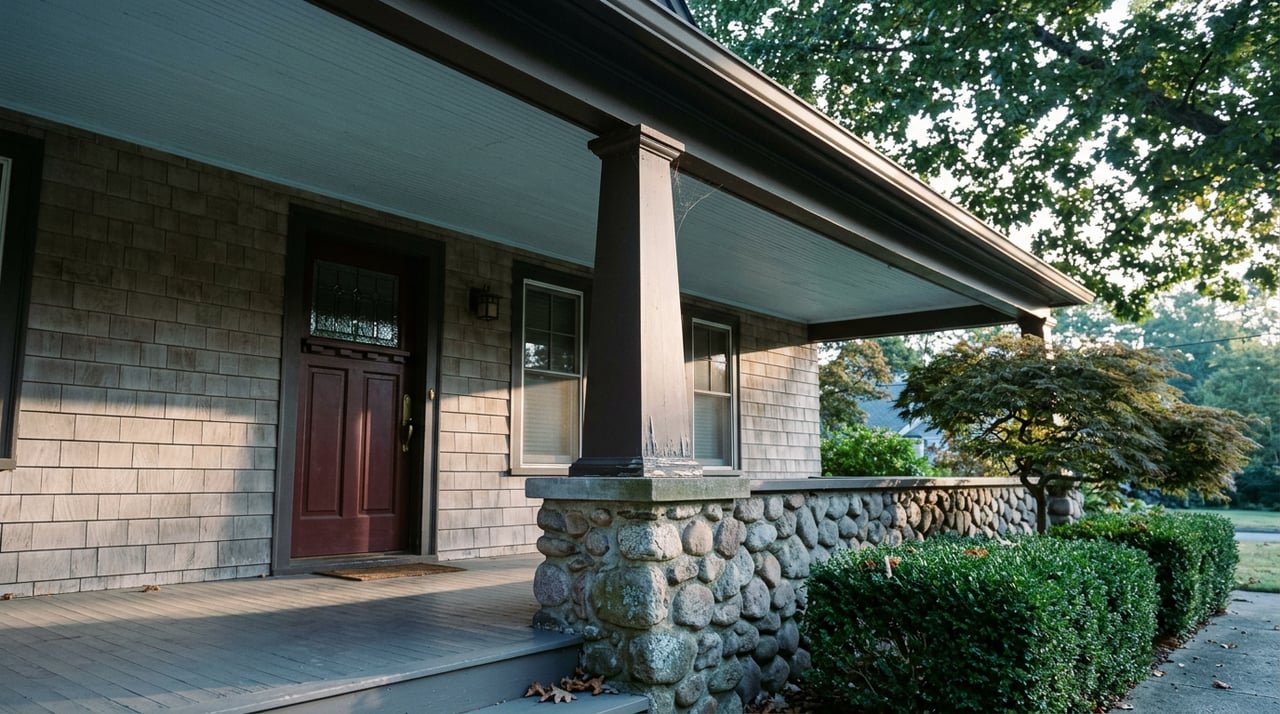
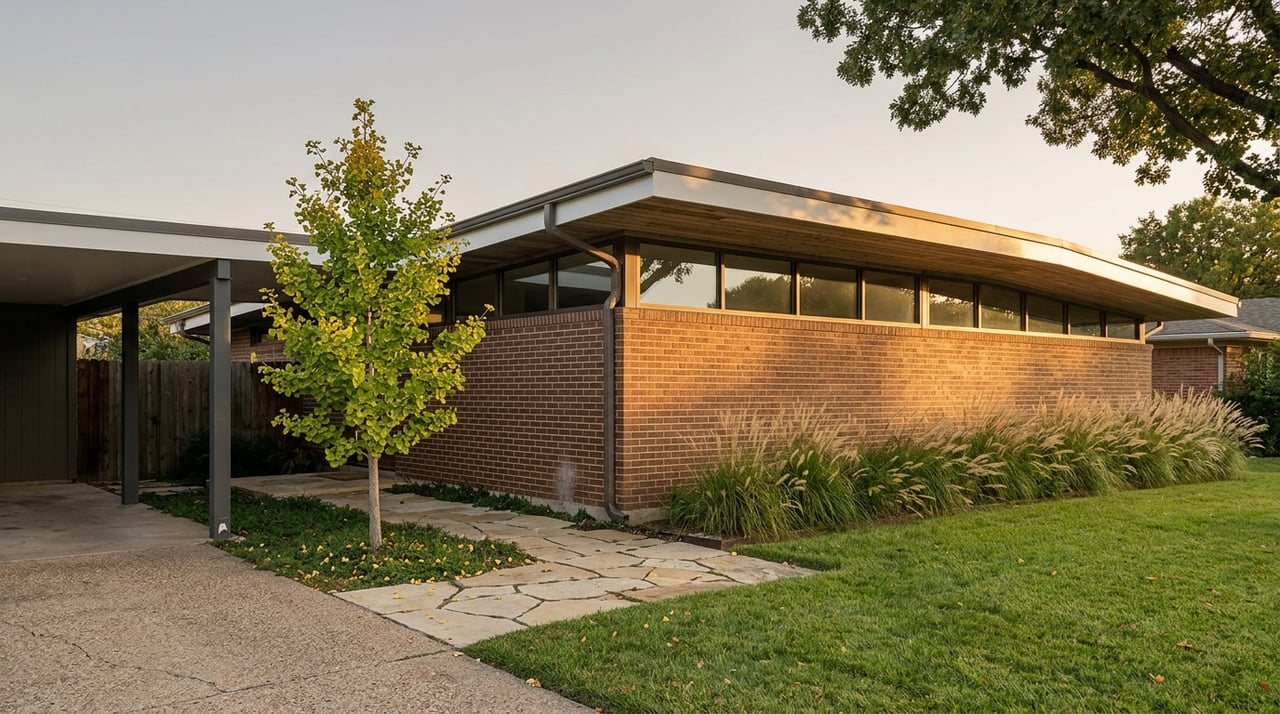
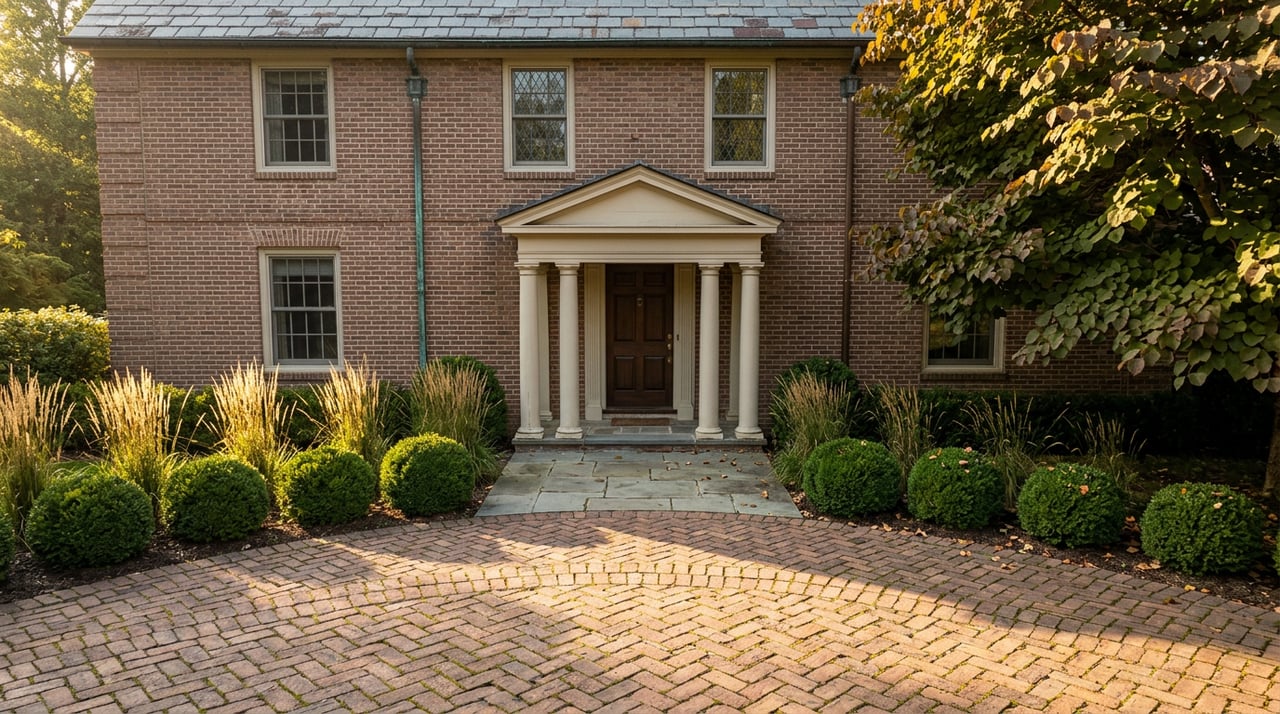
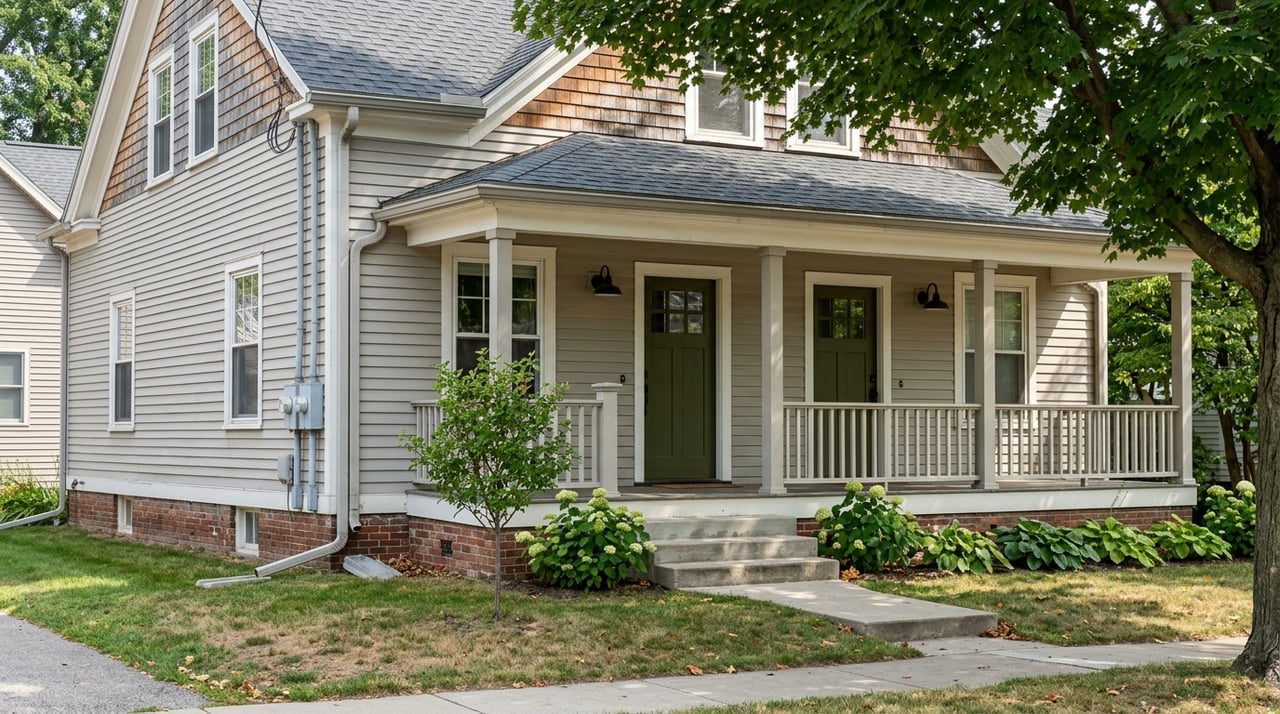
If you are shopping duplexes in Northeast, you are usually not buying a standardized, newer product. You are buying an older building with history, personality, and often a layered renovation story.
According to Minneapolis rental licensing research, Northeast has the oldest average rental housing age of any city community area at 100.4 years. The same report noted that 98% of duplex/triplex rental buildings were built before 1980, which makes age-related due diligence one of the biggest parts of your investment analysis.
That does not mean older duplexes are a bad bet. It means the quality and timing of past updates can make a bigger difference than the neighborhood name alone.
Check These Systems First
In an older duplex, your strongest questions usually center on major systems and safety issues. The research report points to several inspection buckets that deserve close attention.
Electrical and service capacity
Older duplexes may have outdated panels, mixed-era wiring, or service setups that have been expanded over time. You want to understand what has been updated, whether the current service supports modern living, and whether any work appears piecemeal rather than comprehensive.
Plumbing condition
Plumbing can be a major cost item in older small multifamily properties. Ask what supply and drain lines have been replaced, what remains original, and whether there is a clear maintenance history.
Heating systems
Heating efficiency affects both operating cost and renter appeal. A newer or well-maintained system may support your numbers better than a property with aging equipment and uncertain remaining life.
Roof and exterior envelope
Roof condition is one of the fastest ways a duplex can move from manageable to expensive. Pair that with windows, insulation, and air sealing, since those all affect comfort, deferred maintenance, and future capital spending.
Interior walls and paint condition
In older housing, paint condition is not just cosmetic. It can point to maintenance habits, moisture issues, or safety concerns tied to the age of the home.
Understand Lead Paint Risk in Older Homes
If the duplex was built before 1978, the safest assumption is that lead-based paint may be present. Minnesota health guidance referenced in the research report says to assume pre-1978 homes contain lead paint, and both Minnesota and federal guidance warn that renovation or repair work in older homes can create lead dust.
The EPA disclosure rule for most pre-1978 housing is part of that reality. Minnesota guidance in the same source also notes that older homes can shed lead paint chips into soil around the foundation.
For you as a buyer, the practical takeaway is simple: if a duplex is older, factor safe paint remediation and renovation practices into your due diligence and future budget. Cosmetic projects in an older building are not always as simple or inexpensive as they first appear.
Review Public Records Before You Offer
A duplex investment should be checked in public records, not just toured in person. Minneapolis has a few local requirements that directly affect your timeline and costs.
The city states that every rental property needs a rental license. A license is required for any dwelling unit where the owner is not occupying the unit, even if no rent is paid or the occupant is a relative. Renewals are due March 1, and new owners must apply within 60 days of closing or face an administrative fee.
For duplexes, triplexes, and fourplexes, the city also requires a change-of-ownership inspection with a $450 fee. That is not a side issue. It belongs in your acquisition math from day one.
You should also confirm whether there is prior sale-related documentation. Minneapolis requires a Truth in Sale of Housing evaluation before selling duplexes, and a full report must be completed before the property can be shown.
Those records can help you understand known conditions, recurring issues, and what may already have been identified before the property came to market.
Compare Like With Like
One of the easiest ways to misread a duplex deal is to compare it with the wrong comps. In Northeast, age, condition, and building type matter a lot.
A remodeled duplex with updated electrical, newer windows, and strong mechanicals is not directly comparable to a similar-sized building with deferred maintenance. Likewise, sales from very different build eras can skew expectations around value and future repair exposure.
The city’s Neighborhood Sales Finder can help you filter by neighborhood, property type, sale date range, sale price, square footage, and year built. That is especially useful in a market where older housing stock can vary widely from one address to the next.
Do Not Overlook Tax Treatment
If you plan to live in one unit, tax classification may become part of the value story. According to the Minnesota Department of Revenue property tax programs guidance, homestead classification applies to property physically occupied by the owner as a principal residence, and a duplex can qualify when one unit meets that requirement.
That matters because homestead status can affect classification rate, taxable market value, and eligibility for refund programs. It is one of the clearest examples of why a live-in duplex should not be evaluated the same way as a fully non-owner-occupied rental.
This is also a good place to bring in your lender, CPA, or assessor with property-specific questions. Financing structure and depreciation treatment can shift the real cost of ownership in ways a broad blog post cannot calculate for you.
A Practical Northeast Duplex Checklist
When you are evaluating a Northeast Minneapolis duplex, keep your review grounded in a few essentials:
- Run the income math using realistic rent, vacancy, repairs, and reserves
- Confirm the investment goal: live-in flexibility, long-term hold, or value-add project
- Assess building age honestly and expect older-stock due diligence
- Review major systems: roof, heating, plumbing, electrical, windows, insulation
- Account for lead-safe renovation realities in pre-1978 housing
- Verify rental license status and city compliance requirements
- Check TISH-related records before you get too far into the deal
- Use comps by year built and condition, not just price per square foot
- Ask tax questions early if owner occupancy is part of the plan
What Usually Separates a Good Deal From a Weak One
In Northeast Minneapolis, the difference between a promising duplex and a frustrating one is often not the headline location. It is the condition of the building, the true operating costs, and how well the property fits your specific strategy.
A duplex can work well here as a live-in investment or a long-term rental hold. But the best opportunities usually come from buying with a clear eye toward age, updates, compliance, and reserve needs, not just charm and projected rent.
If you want a second opinion on a Northeast Minneapolis duplex, Claire Johnston brings a preservation-minded, renovation-aware perspective that can help you look past surface appeal and focus on the numbers, systems, and long-term fit.
FAQs
What rent levels should you expect for a Northeast Minneapolis duplex investment?
- Research cited in this article shows Northeast Minneapolis median rent around $1,700 to $1,737, with variation across the area, including roughly $1,672 in Audubon Park and $1,995 in St. Anthony West.
What is the biggest risk when buying an older Northeast Minneapolis duplex?
- The biggest risk is often underestimating deferred maintenance and capital expenses in older housing, especially related to electrical, plumbing, heating, roofing, windows, insulation, and paint condition.
What city requirements apply to a Minneapolis duplex used as a rental?
- Minneapolis requires a rental license for any dwelling unit not occupied by the owner, and duplexes also require a change-of-ownership inspection with a $450 fee when purchased.
What should you check before making an offer on a Northeast Minneapolis duplex?
- You should review rental license status, TISH-related records, comparable sales by year built and condition, current rent potential, and major system updates before moving forward.
What does owner occupancy change for a duplex investment in Minnesota?
- If you live in one unit as your principal residence, the duplex may qualify for homestead classification, which can affect property tax treatment and eligibility for certain refund programs.