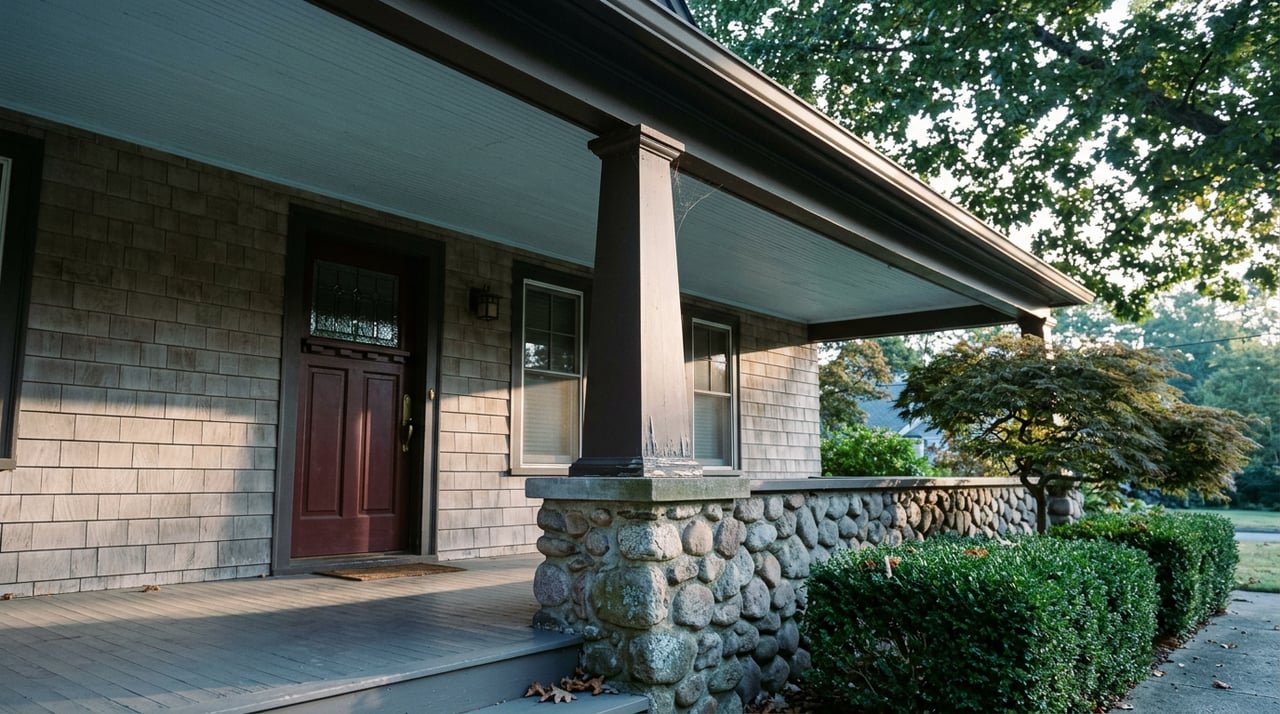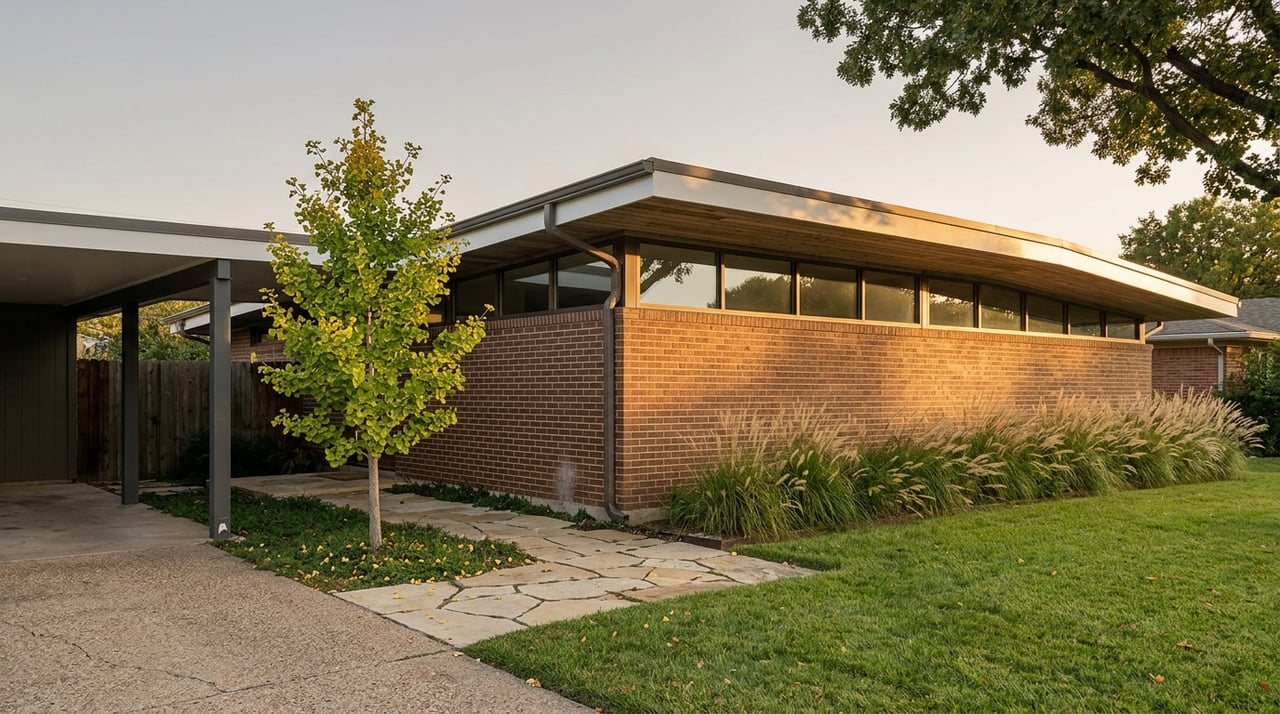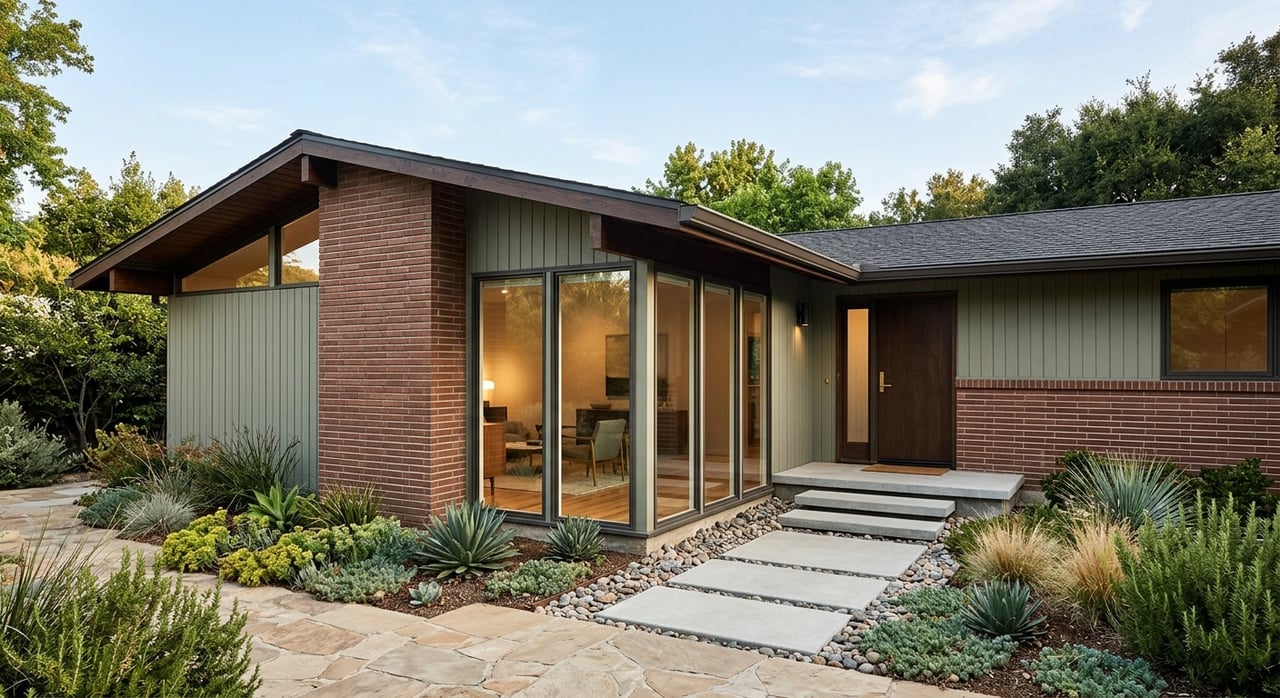
Looking for a true mid-century modern home in Edina can feel a little like hunting for a hidden record in a great vintage shop. You know the style is there, but it is not always grouped neatly in one place or labeled in a way that tells the full story. If you want to understand where these homes tend to show up, what details to watch for, and what to inspect before you buy, this guide will help you search with more confidence. Let’s dive in.
Why Edina Works for Mid-Century Homes
Edina is one of the stronger places in the Twin Cities to look for mid-century homes because so much of its housing stock came out of the postwar era. Nearly 60% of structures in the city were built between 1950 and 1979, and the median year structures were built is 1968. That broad timeline matters because it lines up closely with the years when mid-century design shaped many homes.
Edina’s postwar growth was not limited to one corner of the city. According to the city’s historic context study, residential and commercial development from that era happened throughout Edina, so mid-century homes are scattered rather than clustered in a single tract. That means your search may reward patience and pattern recognition more than neighborhood stereotypes.
The 1950s were Edina’s biggest decade of land-area growth, and by 1960 most of the city was still primarily residential. Southdale Center opened in 1956, which also helps mark the same growth era. If a home dates to that period, there is a good chance it reflects some part of the mid-century story in Edina.
Where to Search in Edina
If you want the best odds of finding a mid-century modern home with strong architectural character, focus your search on west and southwest Edina. City-documented examples suggest these areas are especially promising, particularly on wooded lots and sites near lakes. That setting often fits the style well because many modern homes were designed to connect with the land around them.
Official city examples show this pattern clearly. The 1951 Anton-Johnson Residence is on Mirror Lakes Drive in Highlands, the 1963 Oskam House is on Dakota Trail in Indian Hills, and the 1966 Suckow-Ziemer Residence is on Olinger Boulevard. Each one reflects a site-sensitive approach rather than a cookie-cutter subdivision plan.
The Anton-Johnson house was built on a heavily wooded site. The Oskam House sits on Indianhead Lake and was among the first homes built there. The Suckow-Ziemer Residence was restored around a courtyard, which is one of the classic indoor-outdoor features buyers often hope to find.
What Mid-Century Homes in Edina Look Like
In Edina, you are likely to see a mix of ranch homes, split-levels, and a smaller number of more architect-designed modern houses. The city’s historic context study notes that postwar builders in Edina generally leaned toward ranch forms more than highly avant-garde Modernism. So if you are expecting every mid-century home to have dramatic flat roofs and walls of glass, you may miss some strong options.
Many split-level homes from the period share features that still read as mid-century today. Typical details include low-pitch gable roofs, wide eaves, ranch-like cladding and window patterns, and attached lower-level garages. Some may also include stylistic touches borrowed from Colonial or Tudor traditions, which is part of why the search can feel nuanced.
Contemporary houses from the era often push the style further. In Edina, these homes may include larger expanses of glass and more open floor plans. That is often where you start to see the cleaner lines and stronger indoor-outdoor connection many buyers associate with classic mid-century design.
Features Worth Noticing
Some of the most appealing mid-century details are easy to miss on a first showing. Look past paint color and staging, and pay attention to the bones of the house. Original design decisions often tell you more than cosmetic updates do.
Features documented in Edina landmark homes include:
- Clerestory windows
- Wide eaves
- Large rear walls of glass
- Open main-level plans
- Post-and-beam construction
- Butterfly roofs
- Wood cladding
- Casement windows
- Built-in woodwork
- Courtyards
- Walk-out lower levels
The Anton-Johnson Residence, for example, includes clerestory windows, wide eaves, a mostly windowed rear wall, and mahogany built-ins. The Oskam House features a compact rectangular plan, butterfly roof, post-and-beam construction, casement windows, wood cladding, and an open main-level plan. The Suckow-Ziemer Residence preserves exposed post-and-beam structure, board ceilings, slab flooring, and a central courtyard.
Materials That Signal the Era
Materials can be one of the clearest clues that you are looking at an authentic mid-century home. In Edina, mid-20th-century houses were primarily built with wood and masonry. After 1935, plywood, fiberboard, drywall, and panel products also became common.
You may also see brick veneer, aluminum siding, metal window frames, and steel-track garage doors. These are not always glamorous details, but they help tell you whether the house still reflects its original era. In many cases, the mix of materials is part of the home’s overall charm.
How Updates Usually Show Up
One of the more encouraging patterns in Edina is that many notable mid-century homes have been modernized selectively rather than stripped of character. In the Anton-Johnson Residence, the owners aimed to preserve the mid-century features while updating the home for daily living. The Suckow-Ziemer project also kept the core structure and courtyard while refining the landscape and exterior experience.
For you as a buyer, that is a helpful lens. The strongest listings often keep the original plan, window rhythm, built-ins, and relationship to the outdoors, even when kitchens, baths, or systems have been updated. A home does not need to be untouched to feel authentic.
When you tour homes, try asking yourself a simple question: did the update work with the architecture, or against it? A thoughtful renovation usually respects the home’s original layout and visual flow. That tends to matter more than whether every finish is period-correct.
What to Inspect Before You Buy
Character is important, but condition matters just as much. Many Edina mid-century homes are old enough to deserve a closer look at original materials, aging systems, and any renovation work done over time. A beautiful house can still come with practical issues that affect your budget and timeline.
If the home was built before 1978, lead-based paint is a concern worth taking seriously. The EPA says homes built before that year are more likely to contain lead-based paint, and some homes built between 1960 and 1978 may still have it. Renovation can release hazardous dust, especially around windows, doors, stairs, railings, and porches.
Asbestos is another issue that may come up in vintage homes. The EPA says it may be present in materials such as floor tile, ceiling tile, and old pipe wrap, and it cannot be identified reliably by sight alone. If you are planning updates, this is one more reason to understand the materials in the home before work begins.
A practical inspection list for an Edina mid-century home may include:
- Original windows and their condition
- Roofing and drainage details
- Masonry and exterior cladding
- Evidence of moisture issues
- Older mechanical systems
- Flooring, ceiling, or wrap materials that may need testing before renovation
- Signs that previous updates changed the original structure or layout
A Note on Windows and Preservation
Windows often become a major decision point in mid-century homes. Original windows can be a big part of the architecture, especially when they shape the rhythm of the facade or frame views to the yard. They also affect comfort, efficiency, and maintenance needs.
National Park Service guidance notes that historic windows can often be repaired and weatherized rather than replaced. When replacement is necessary, the replacement should closely match the historic design. The same guidance also emphasizes weatherization methods that minimize impact on historic materials and appearance.
For a buyer, the takeaway is simple: do not assume replacement is the only option, and do not treat original windows as throwaway features. In many mid-century homes, they are central to the design. If preservation matters to you, this is an area where good advice can make a real difference.
Heritage Status in Edina
Some architecturally significant homes in Edina may come with a formal preservation layer. The city says Heritage Landmark designation is a zoning classification intended to preserve significant heritage resources. If you are considering a property with that status, it is smart to verify it early in your search.
In Edina, certain projects on Heritage Landmark properties require a Certificate of Appropriateness. That includes work such as demolition, moving a building, new construction, and excavation. These reviews are handled under the Secretary of the Interior’s Standards, so exterior changes may involve a different process than a typical remodeling project.
Even beyond formal designation, Edina has an active preservation culture. The city’s Heritage Award and Century Homes programs show that character homes are recognized and celebrated locally. That context can be reassuring if you are drawn to homes with architectural identity and long-term stewardship appeal.
How to Search More Effectively
A smart search for mid-century homes in Edina usually goes beyond style labels in the listing. Not every seller or agent will describe a house the same way, and some excellent homes may be marketed simply as ranches, split-levels, or contemporary homes. That is why it helps to search by era, form, and setting, not just by one style term.
As you narrow your options, pay attention to homes built roughly from the early 1950s through the late 1960s, especially in west and southwest Edina. Look for wooded lots, lake-adjacent settings, low rooflines, wide eaves, and strong window patterns. Often, the architecture reveals itself more clearly in the photos than in the headline.
It also helps to think in terms of preservation potential. Some homes will be beautifully intact, while others may need a buyer who can see through cosmetic changes. If the structure, setting, and original design language are still there, the home may offer more upside than a quick first impression suggests.
Why Local Guidance Matters
Buying a mid-century home is rarely just about square footage and finishes. You are also weighing architectural integrity, renovation realities, and future resale. In a market like Edina, where mid-century homes are spread across the city and vary from modest ranches to architect-designed standouts, local pattern recognition matters.
That is where a design-aware, renovation-minded approach can help. If you want a home with character, it helps to work with someone who can spot the details worth protecting, understand the likely update path, and help you separate cosmetic noise from meaningful value. That kind of guidance can save you time and help you make a more confident decision.
If you are hoping to find a mid-century modern home in Edina, or you want a second opinion on whether a listing has real architectural value, Claire Johnston can help you search with a practical eye and a real appreciation for what makes these homes special.
FAQs
Where are mid-century modern homes most likely to be found in Edina?
- Mid-century homes are scattered throughout Edina, but west and southwest Edina are especially useful places to search, particularly on wooded or lake-adjacent lots.
What architectural features define a mid-century home in Edina?
- Common features include low rooflines, wide eaves, large windows, open floor plans, wood and masonry materials, and in some cases post-and-beam construction, clerestory windows, or courtyards.
What housing types count as mid-century homes in Edina?
- In Edina, mid-century homes often include ranches, split-levels, and a smaller number of more architect-designed modern houses.
What should buyers inspect in an Edina mid-century home?
- Buyers should take a close look at original windows, roofing, cladding, moisture issues, older systems, and any materials that may need testing for lead-based paint or asbestos before renovation.
What does Heritage Landmark status mean for an Edina home?
- Heritage Landmark status is a city zoning classification for significant heritage resources, and certain exterior or site-related projects may require a Certificate of Appropriateness before work begins.
Are updated mid-century homes in Edina still worth considering?
- Yes, especially when updates preserve the original layout, window rhythm, built-ins, and indoor-outdoor relationship that give the home its architectural character.