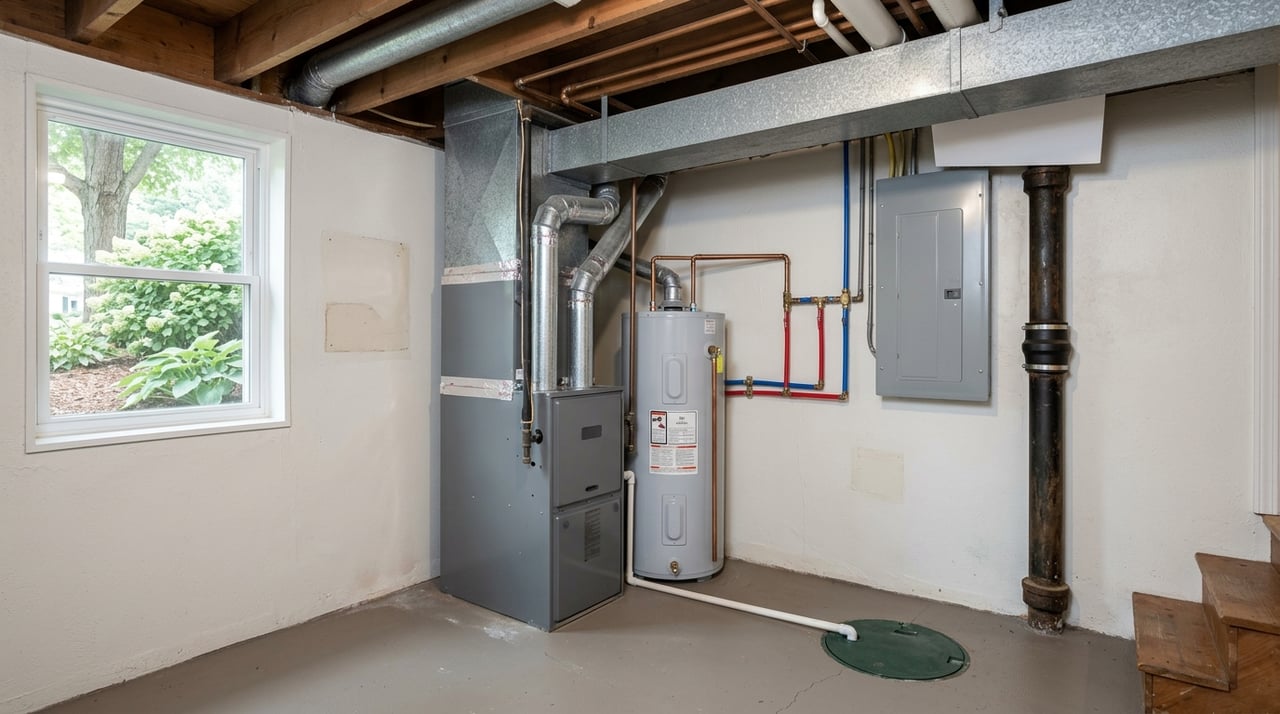
Buying in Highland Park can feel like choosing between charm and convenience, but that is not the whole story. In this part of St. Paul, you can find older homes with real project potential and homes where the big updates are already done, sometimes in the very same search. If you are trying to decide which path fits your budget, timeline, and tolerance for surprises, this guide will help you weigh the tradeoffs with more confidence. Let’s dig in.
Why condition matters in Highland Park
Highland Park is a mature St. Paul neighborhood with a lot of older housing. The city’s housing plan lists the median year built for single-family, duplex, and triplex homes in Highland at 1948, which helps explain why home condition matters so much here.
This is also a neighborhood where old and new overlap. Alongside long-established homes, Highland Bridge on the former Ford site is adding about 3,800 housing units, including apartments, rowhomes, and single-family homes. That means your “move-in ready” option could be a newer build or a fully updated older home.
In practical terms, condition is part of the location story in Highland Park. Two homes can be close to each other and offer completely different levels of work, documentation, and future cost.
What a fixer-upper means here
In Highland Park, a fixer-upper usually means more than dated finishes. Because so much of the housing stock is older, project homes often involve systems, moisture management, and permit-related questions, not just cosmetic updates.
Saint Paul’s permit guidance gives a good picture of the kinds of work that often come up. Common project categories include roofing, gutters, siding, window replacement, tuckpointing, electrical work, plumbing and gas changes, and heating or cooling work.
Older Minnesota homes can also need performance upgrades. State energy guidance points to insulation, air sealing, windows, doors, ventilation, water heating, and heating and cooling as common areas to address when major improvements are planned.
Common fixer-upper issues to watch
If you are touring a home with project potential, keep an eye out for a few common categories:
- Original or aging mechanical systems
- Dated kitchens and baths
- Older windows or exterior materials
- Signs of deferred roof, gutter, or masonry work
- Basement moisture or drainage concerns
- Incomplete or undocumented updates
Basement moisture deserves special attention in Minnesota. University of Minnesota Extension notes that moisture often traces back to grading, gutters and downspouts, window wells, drain tile or sump problems, or foundation cracks.
Safety questions to ask early
With older homes, a few health and safety questions should move to the top of your list. Minnesota health officials say to assume any home built before 1978 contains lead-based paint, so lead-safe practices matter before renovation work begins.
In Saint Paul, lead water services were primarily installed in homes built before 1926 and in some homes built between 1927 and 1948. The city is working on a ten-year plan to replace lead service lines at no cost to property owners, but buyers should still ask what is known about a specific property.
Radon is another standard due-diligence item. Minnesota health officials recommend testing all homes for radon and specifically advise testing before purchase or occupancy in a real estate transaction.
What move-in ready looks like
In Highland Park, move-in ready does not always mean brand new. More often, it means an older home where major systems, envelope work, moisture concerns, and safety items have already been addressed and documented.
That documentation matters. In a neighborhood with many older homes, the value of a move-in-ready property often comes from the work you cannot immediately see, like updated mechanicals, drainage corrections, insulation improvements, or properly permitted exterior repairs.
Highland Bridge adds another lane for buyers who want fewer project variables. Because that development includes apartments, rowhomes, and single-family homes, it expands the newer end of the market within the broader Highland area.
What to look for on a move-in-ready tour
When a listing is presented as turnkey, focus on proof, not just presentation. Ask for details that help confirm the home’s condition and update history.
Look for:
- Permit records and inspection sign-offs
- Clear notes on who completed major work
- Ages of roof, windows, HVAC, plumbing, and electrical updates
- Radon testing information
- Lead-related documentation where relevant
- Water service line information
- Records showing drainage, insulation, or air sealing improvements
Saint Paul’s Truth-in-Sale of Housing disclosure process reinforces how central condition is in the local market. It gives a visual overview of building components and fixtures, which can help buyers understand whether a home is truly ready for immediate occupancy or simply styled to look that way.
Comparing the two paths
Choosing between a fixer-upper and a move-in-ready home often comes down to your timeline, cash reserves, and appetite for coordination. In Highland Park, both options can make sense, but they ask different things of you.
| Option | Best fit if you... | Main tradeoff |
|---|---|---|
| Fixer-upper | want character, see potential, and can manage repairs over time | more uncertainty, more paperwork, and more upfront due diligence |
| Move-in ready | want a smoother move and clearer condition history | higher cost for completed work and less room to customize immediately |
A fixer-upper may give you the chance to shape the home to your taste. A move-in-ready property may save time and reduce the number of unknowns, especially if the major work was done with permits and solid documentation.
Permits matter more than many buyers expect
In Saint Paul, renovation planning is not just about cost. It is also about process.
The city requires a building permit for remodeling or repairing a structure, and most electrical, plumbing, piping, sheet-metal, and heating or air-conditioning work also requires permits. Exterior work in Historic Preservation Areas can require a permit regardless of value.
Saint Paul now uses PAULIE to centralize permits, licenses, inspections, and renewals. For buyers considering a fixer-upper, that means timelines can be shaped by permit approvals, inspections, and contractor licensing rules as much as by construction itself.
For one- to four-unit residential properties, the city requires licensed contractors for general residential building or remodeling, with specific licensing rules for roofing as well. Owners can self-perform some work, but the trade and permit rules still apply.
How to decide which is right for you
If you love original character and do not mind a longer runway, a fixer-upper may be a smart fit. This path can work especially well if you are comfortable evaluating mechanical systems, moisture issues, and the real scope behind cosmetic updates.
If your priority is a smoother transition, move-in ready may be worth the premium. In Highland Park, that can mean either a renovated older home with documented updates or a newer option in the Highland Bridge area.
A simple way to frame the decision is this: do you want to do the homework, or pay for homework that has already been done? In Highland Park, that question is often more useful than asking whether one type of home is simply “better.”
A smart search strategy for Highland Park
If you are shopping for a fixer-upper, search for homes with visible project scope. Dated finishes, older systems, exterior wear, and moisture clues can all point to opportunity, but they also signal where your budget and timeline may need to stretch.
If you are shopping for move-in ready, prioritize documentation over staging. In this neighborhood, closed permits, inspection history, testing records, and service-line information often tell you more than fresh paint or new light fixtures.
That is where local, renovation-aware guidance can make a real difference. In a neighborhood filled with architectural character, the goal is not just to find a beautiful home. It is to understand what that beauty will ask of you next.
Whether you are drawn to a project with great bones or a turnkey home with the heavy lifting already done, Highland Park gives you both paths. If you want help sorting the practical from the cosmetic and finding the right fit for your budget and goals, Claire Johnston can help you navigate the search with a preservation-minded, realistic approach.
FAQs
What does a fixer-upper usually include in Highland Park?
- In Highland Park, a fixer-upper often includes more than cosmetic work and may involve roofing, windows, siding, electrical, plumbing, HVAC, insulation, air sealing, or basement moisture issues.
What counts as move-in ready in Highland Park?
- In Highland Park, move-in ready often means an older home with major systems and safety items already addressed and documented, though it can also include newer construction in the Highland Bridge area.
Why are permits important for Highland Park homes?
- Saint Paul requires permits for many remodeling and repair projects, so permit history helps you understand whether major updates were completed through the city’s inspection process.
Should you test older Highland Park homes for radon?
- Yes. Minnesota health officials recommend radon testing for all homes and specifically advise testing before purchase or occupancy in a real estate transaction.
Do older Highland Park homes raise lead concerns?
- Yes. Minnesota health officials say to assume homes built before 1978 contain lead-based paint, and Saint Paul notes that lead water services were primarily installed in homes built before 1926 and in some homes built between 1927 and 1948.
What should you ask when touring a move-in-ready Highland Park home?
- Ask for permit records, inspection sign-offs, ages of major systems, radon testing information, water service line details, and any records showing drainage, insulation, or air sealing improvements.