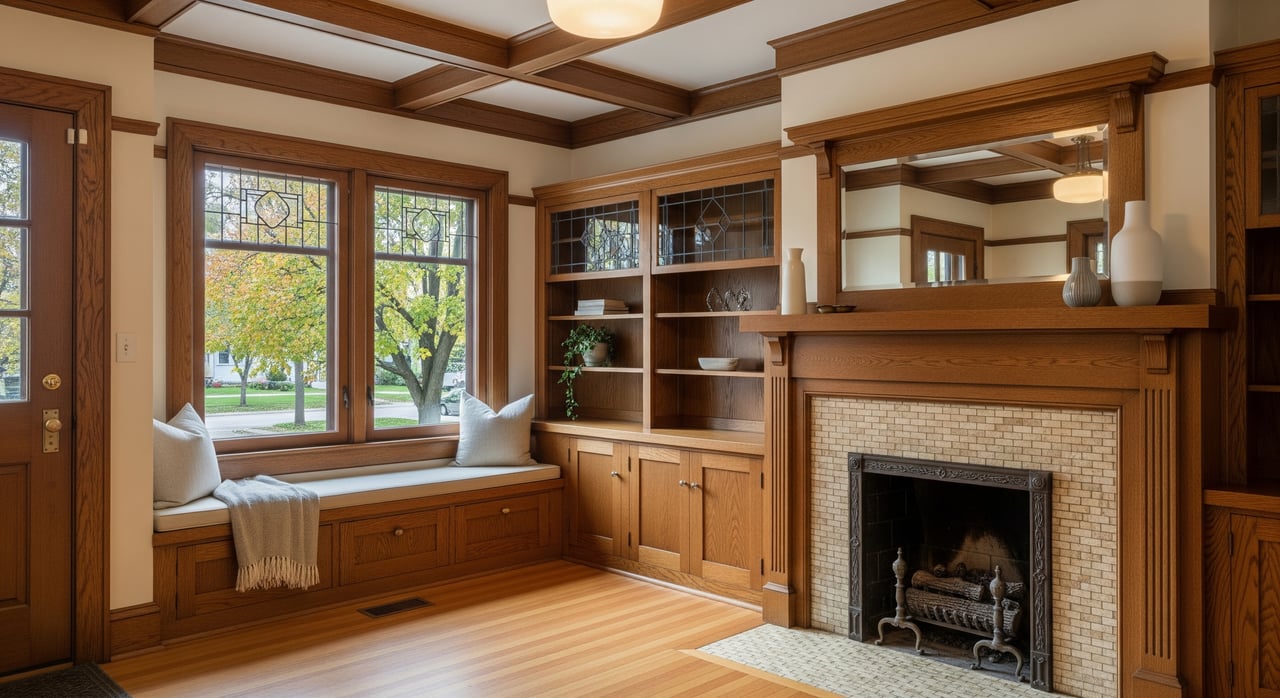
You know the feeling when you walk into a Highland Park bungalow and the house just wraps you in warm wood and good proportions. If you are drawn to original details, you are not alone. Buyers across Saint Paul prize these homes for their craftsmanship and everyday livability. In this guide, you will learn which features matter most, how to spot authentic examples, what to check during a walkthrough, and how to update without losing character. Let’s dive in.
Highland Park bungalow basics
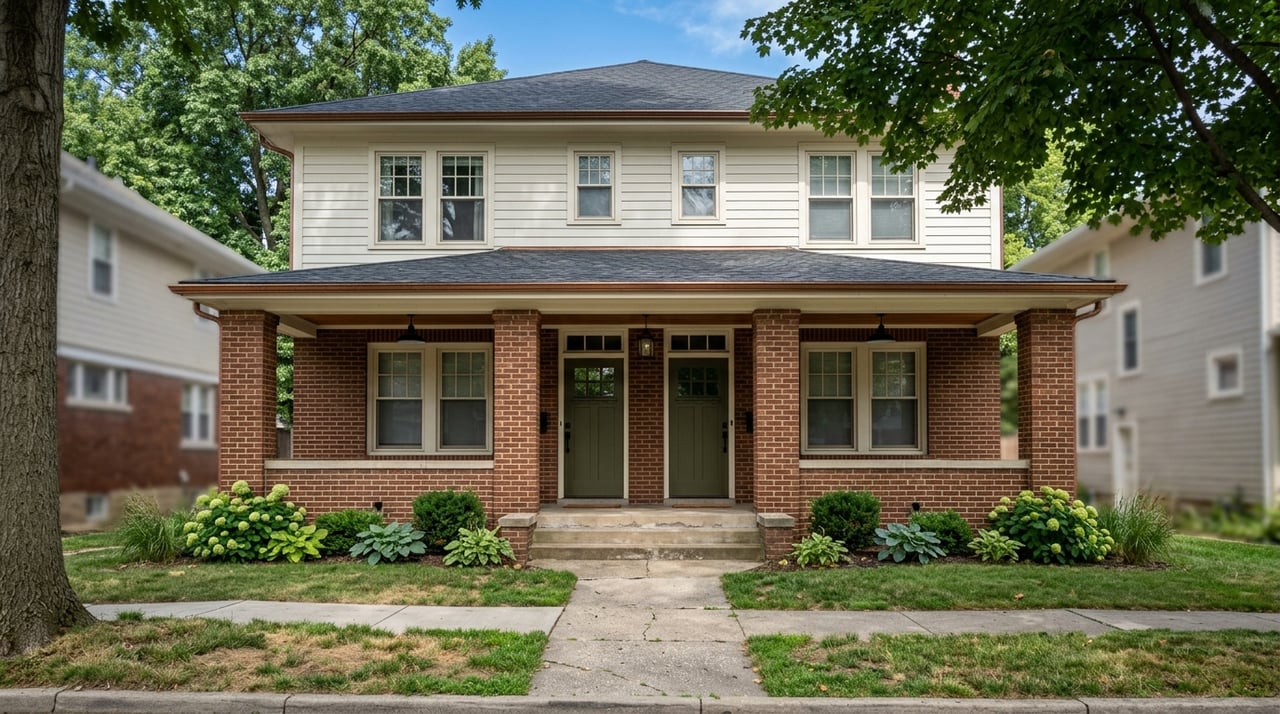
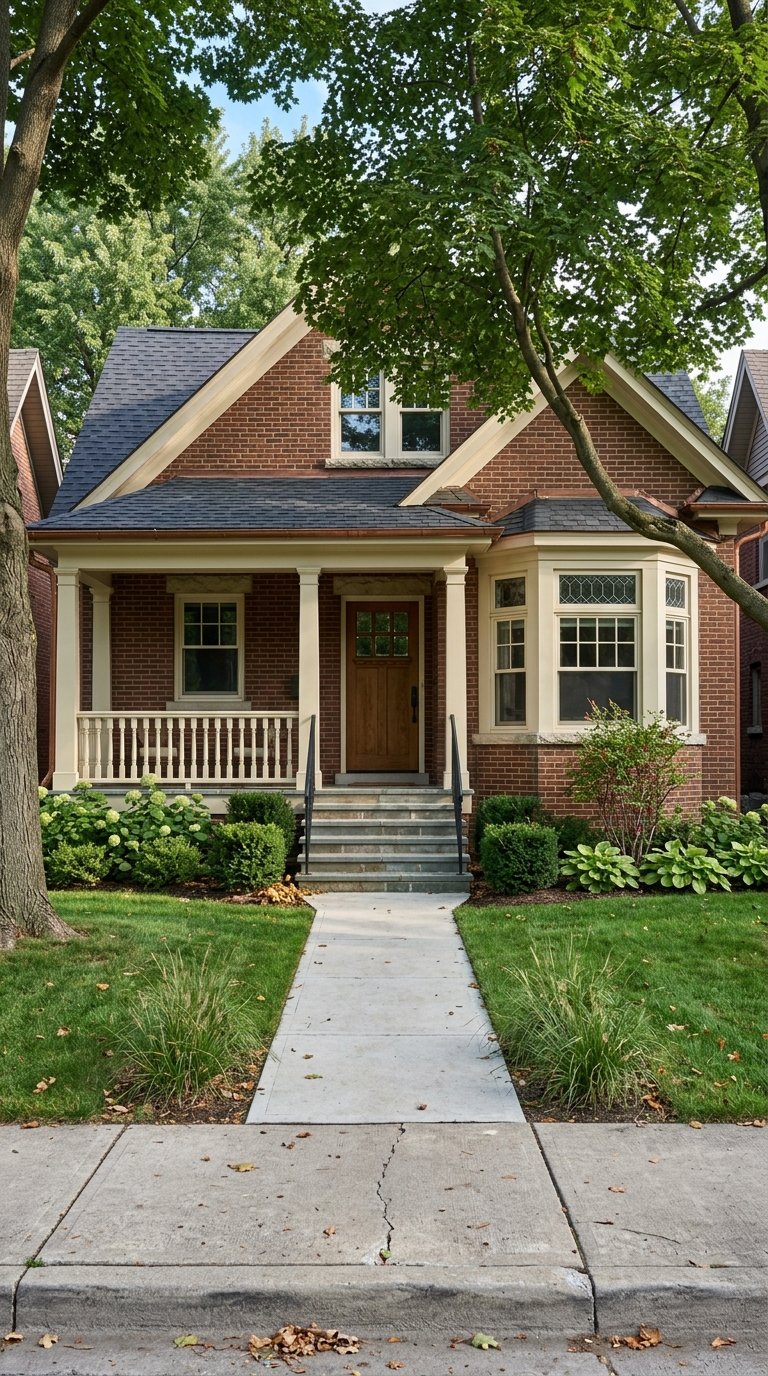
Highland Park’s bungalow wave arrived in the early 20th century, roughly 1905 to 1930. The style grew from the national Craftsman movement that favored modest scale, hand-crafted detail, and functional built-ins. In Saint Paul, many bungalows mix Craftsman and Prairie influences with low profiles, broad porches, and simple, well-proportioned trim.
Inside, you often see quarter-sawn oak woodwork, built-in dining room buffets, and a central living room anchored by a fireplace. Outside, look for tapered porch columns, original clapboard or shingle siding, and in some cases, exposed rafter tails.
Original features buyers love
Built-ins and inglenooks
Dining room buffets, bookcases flanking the fireplace, and cozy window seats give these homes their soul. Signs of authenticity include matching wood grain across trim and built-ins, dovetail drawers or mortise-and-tenon joinery, and original hinges or pulls. Quarter-sawn oak is common, with fir or pine in more modest examples.
Millwork and interior trim
Expect substantial baseboards, thick window and door casings, and picture rails in public rooms. Authentic trim often shows consistent runs at inside corners, subtle hand-planed surfaces, and an original shellac or varnish layer beneath later paint.
Doors and hardware
Five-panel or four-panel solid wood doors carry original mortise locks and porcelain, glass, brass, or bronze hardware. French doors sometimes divide living and dining rooms. Look for weighty, solid doors, screw patterns that match period hardware, and maker marks on mortise plates.
Windows and glass
Double-hung wood windows are typical. Many have divided lights in the upper sash or leaded and stained glass accents. Wavy single-pane glass, sash weight pockets, and putty glazing compound are all encouraging signs the windows are original.
Arches and openings
Plastered or wood-trimmed arches soften transitions between rooms. Authentic arches show continuous lath and plaster with clean molding transitions.
Fireplace and hearth
Central brick or tile fireplaces often anchor the main living area, sometimes with inglenook seating or built-in bookcases. Original tile patterns, solid mantel joinery, and an intact firebox are positive signs. Chimney and flue condition matter for safety.
Floors and stair details
You will typically find oak or pine strip floors with tongue-and-groove construction. Stairways, when present, may feature original balusters, a chunky newel post, and sometimes a cleverly built-in drawer.
Plaster and surface finishes
Plaster walls and ceilings are common. Decorative plaster work can appear in living and dining rooms. Look for period wallpaper layers under paint and traditional lath-and-plaster crack patterns.
How to spot the real deal
Use these quick cues during a showing:
- Continuous wood grain across trim and adjoining built-ins, with period joinery and original patina.
- Solid wood doors and original mortise locks; glass or porcelain knobs with age-appropriate wear.
- Double-hung windows with wavy glass, sash weights, and serviceable wood frames.
- Plaster walls with lath impressions at corners and consistent hairline cracks rather than large separations.
- Fireplace surrounds with period brick or tile and a well-fitted mantel.
Quick condition checklist
Before you fall in love, scan for condition and cost signals. An inspector who understands older homes is a smart move.
- Documentation and permits
- Ask for renovation history, permit records, and any documentation of past restorations.
- Roof, foundation, and envelope
- Note roof age and flashing. Check for stains on plaster that indicate past leaks. Review foundation for cracks, water intrusion, or settling.
- Attic and ventilation
- Look for adequate insulation and airflow. Check for any replacements above original finishes.
- Woodwork and built-ins
- Inspect for rot near exterior walls or porches. Watch for heavy paint buildup that hides profiles. Test door and window operation.
- Windows
- Check sash operation, sill rot, broken glass, and presence of storm windows. Many original wood windows can be repaired.
- Fireplaces and chimneys
- Have the chimney swept and inspected. Verify flue integrity and any existing liners.
- Plaster and finishes
- Distinguish hairline cracks from larger separations. Ask whether original plaster is intact or covered by drywall.
- Mechanical and energy systems
- Confirm age and safety of HVAC, electrical, and plumbing. Knob-and-tube wiring or galvanized piping can raise costs. Verify GFCIs and smoke detectors.
- Exterior details
- Check porch columns, floors, soffits, rafter tails, and siding. Replacement siding can hide original cladding.
- Hardware and finishes
- Identify original hinges, knobs, and pulls. Note where reproductions were used.
- Code and usability
- Be aware that some original layouts may not match modern expectations. Consider sympathetic alterations if needed.
- When to bring specialists
- Chimney mason, window restorer, lath-and-plaster specialist, finish carpenter, or a preservation consultant for major exterior changes.
Update without losing character
Preserve first, replace only when necessary. New work should be compatible and ideally reversible.
- Woodwork and built-ins
- Repair loose joinery, re-glue drawers, and refinish rather than replace. If you must replace, match wood species and profiles. A stained finish can replicate the quarter-sawn oak look on compatible species.
- Doors and hardware
- Keep original doors and refresh hardware. If items are missing, source period-correct replacements from salvage or specialty suppliers.
- Windows and energy upgrades
- Repair original sash with weatherstripping, reglazing, and new cords. Add interior or exterior storm windows for comfort and efficiency. Choose historically appropriate profiles if replacement is unavoidable.
- Plaster and wall finishes
- Patch and consolidate plaster with a specialist. If wallpaper surfaces are discovered, consider preserving or replicating patterns.
- Kitchens and baths
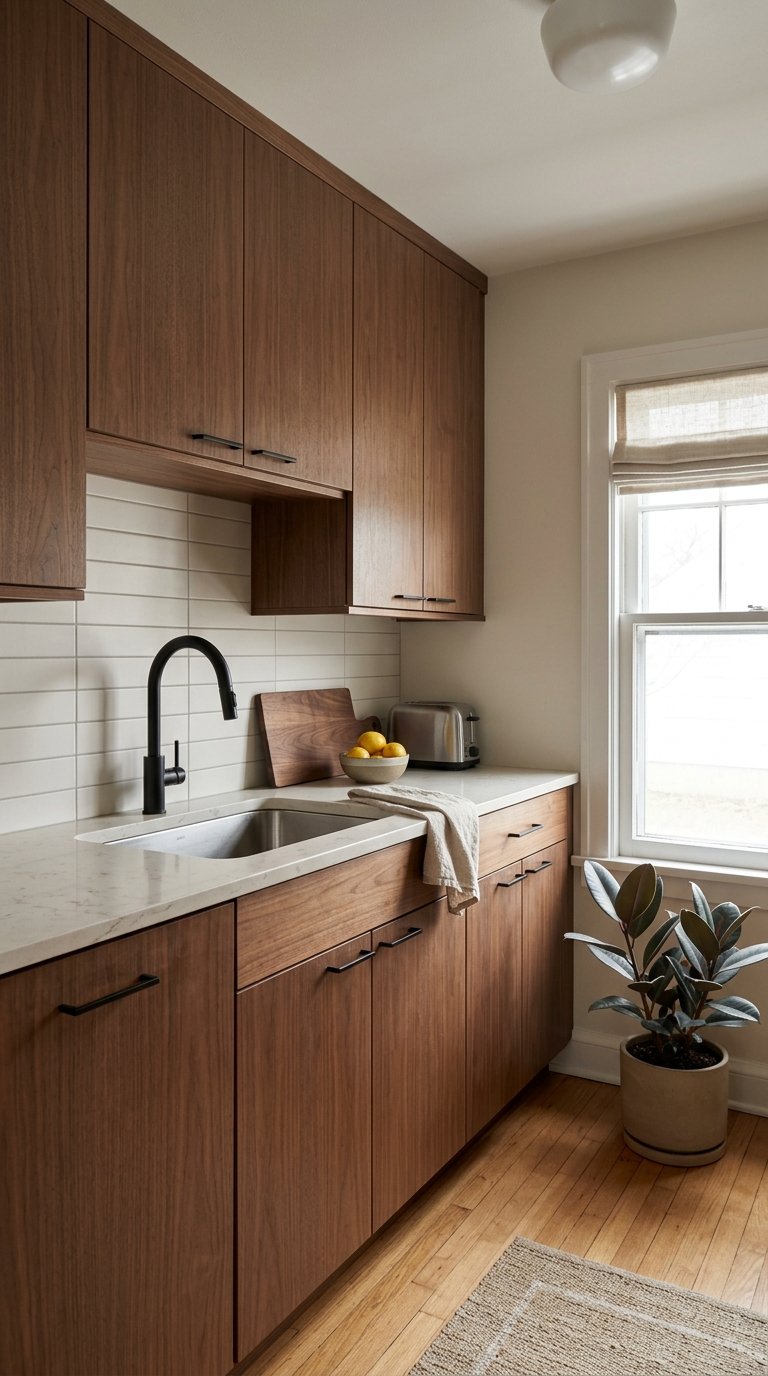
- Place new plumbing in existing chases when possible. Choose simple, sympathetic cabinet styles. Keep the dining buffet and integrate modern storage or appliances thoughtfully.
- Electrical and mechanical
- Upgrade service and panels for safety. Route new wiring through attics, basements, or closets to protect historic finishes.
- Exterior preservation
- Repair porch columns and trim with matching species and profiles. Repoint masonry with mortar that matches the original composition and color.
- Energy-smart comfort
- Air seal and insulate the attic without disturbing plaster ceilings. Use storm windows and weatherstripping. Plan basement insulation carefully to manage moisture.
- Safety note
- Older paint may contain lead. Work with lead-safe certified contractors on homes built before 1978.
Staging and listing tips for sellers
Highland Park buyers value authenticity. Show it.
- Photography that tells a story
- Mix wide shots for flow with close-ups of original hardware, moulding profiles, tile, and built-ins.
- Call out restorations
- Note repairs and specialist work, such as refinished oak trim or professionally restored sash. Transparency builds buyer confidence.
- Pricing signals
- Well-preserved character homes often attract a premium over similar homes that lost original detail. Buyers still expect updated mechanicals and reasonable energy performance.
- Staging the right scale
- Keep rooms uncluttered. Choose furnishings that complement the bungalow scale. Style built-ins with simple objects that reveal function.
- Anticipate negotiation points
- Be ready for requests related to mechanical upgrades, window repairs, and chimney work. A pre-listing inspection can reduce surprises.
Buyer evaluation tips
Focus on what lasts and what you can improve.
- Prioritize structure and systems first, then character-preserving repairs like window reglazing and woodwork tuning.
- Look for intact trim, original doors and hardware, quality floors, and a fireplace with original materials. These features are costly to re-create.
- Ask for documentation of past work and permits. Clarity speeds up the inspection phase.
- Bring in pros early when needed, especially for chimneys, plaster, windows, and electrical planning.
Local rules and resources
Parts of Saint Paul include designated historic districts and properties that may require review for exterior changes. Before planning exterior work, consult the City of Saint Paul Heritage Preservation Commission. The Highland District Council, Ramsey County property office, Minnesota Historical Society, and National Park Service guidance are useful resources for preservation questions. Federal historic rehabilitation tax credits typically apply to income-producing buildings. Homeowner incentives vary by jurisdiction, so confirm current programs locally.
Ready to make a move?
If you want a bungalow that blends original character with smart updates, you need a clear plan for evaluation, repair, and presentation. Whether you are listing in Highland Park or hunting for the right Craftsman, curated guidance can save you time and money while protecting what makes the house special. For a consult on purchase strategy, renovation priorities, or premium listing marketing, reach out to Claire Johnston.
FAQs
What years define Highland Park bungalows in Saint Paul?
- Most were built between roughly 1905 and 1930 as part of the broader Craftsman bungalow movement.
How can I tell if a built-in buffet is original?
- Look for matching wood grain with the surrounding trim, dovetail drawers or mortise-and-tenon joinery, original hardware, and a shellac or varnish layer under later paint.
Are original wood windows worth keeping in Minnesota’s climate?
- Often yes. Repaired wood sash with weatherstripping and storm windows can perform well while preserving character and fit the home’s proportions.
What updates add value without hurting character in a bungalow?
- Repair original woodwork and windows, keep period doors and hardware, choose simple, sympathetic kitchen and bath finishes, and upgrade electrical and HVAC with minimal impact to historic fabric.
Do I need approval to change the exterior of a Highland Park home?
- Some areas fall under local review. Check with the City of Saint Paul Heritage Preservation Commission and the Highland District Council before planning exterior changes.
What safety issues should I watch for in older Saint Paul bungalows?
- Possible knob-and-tube wiring, galvanized plumbing, chimney flue concerns, and lead paint in pre-1978 homes. Use qualified inspectors and lead-safe certified contractors.