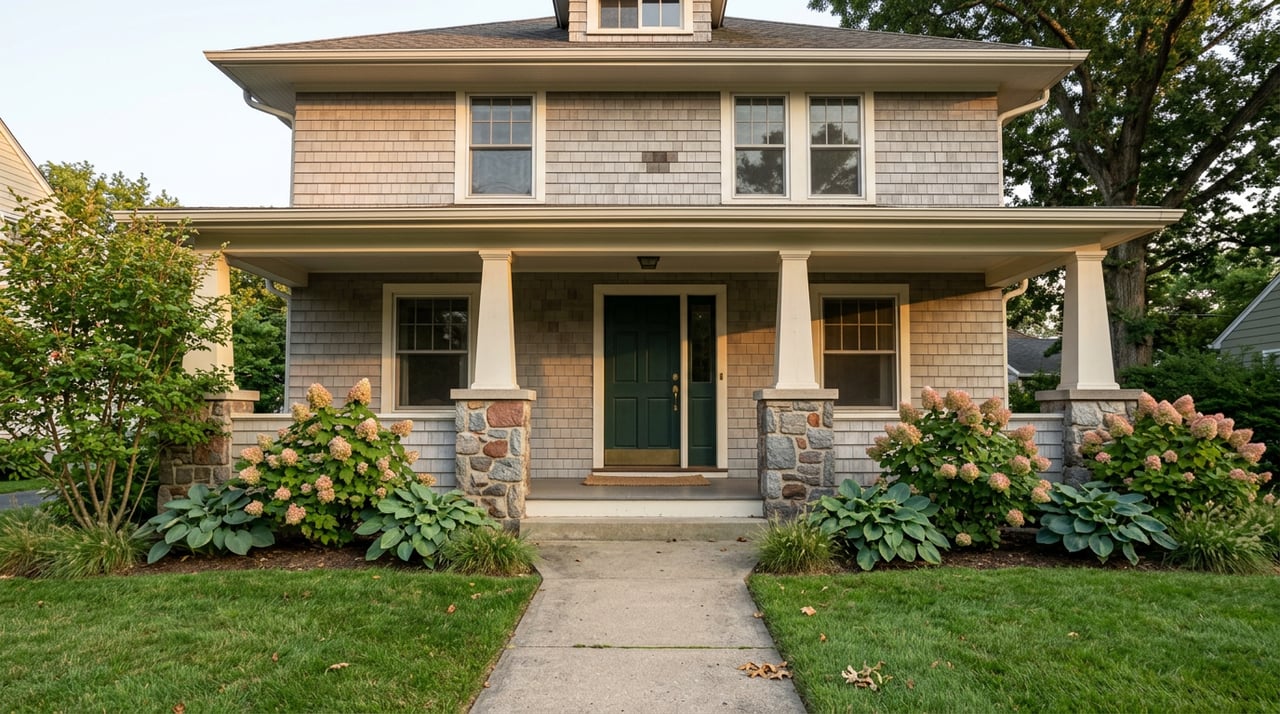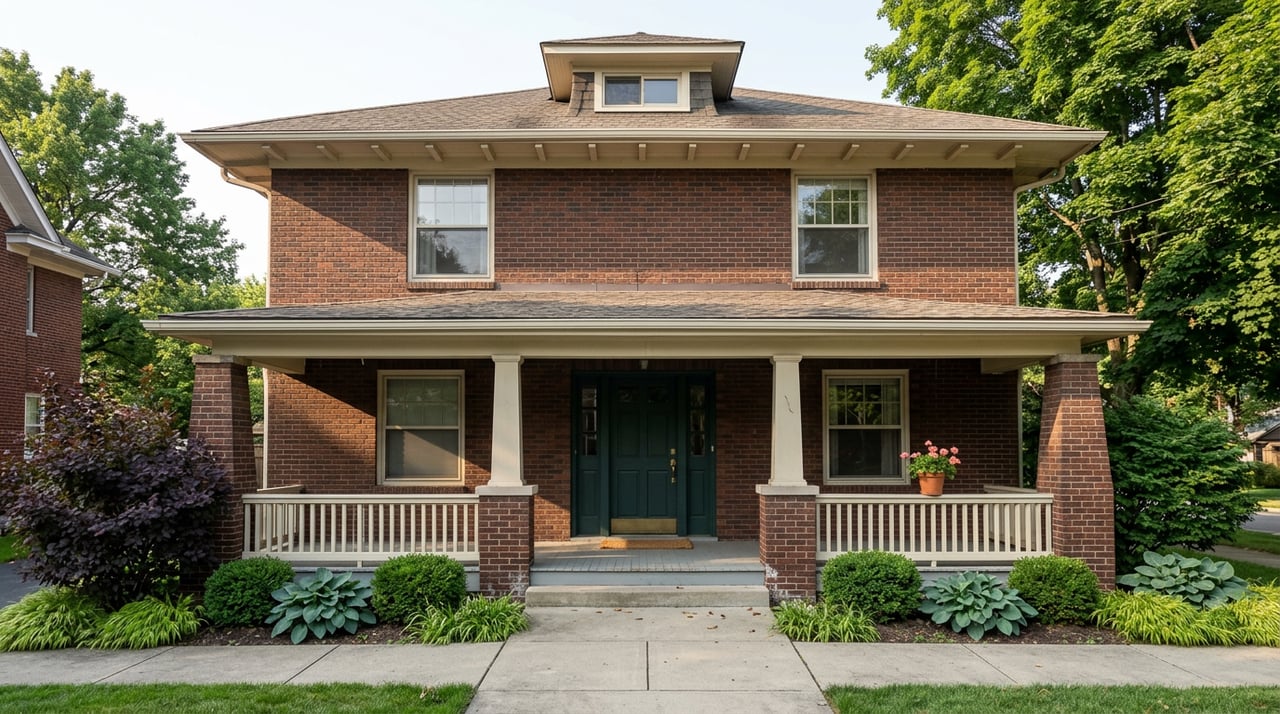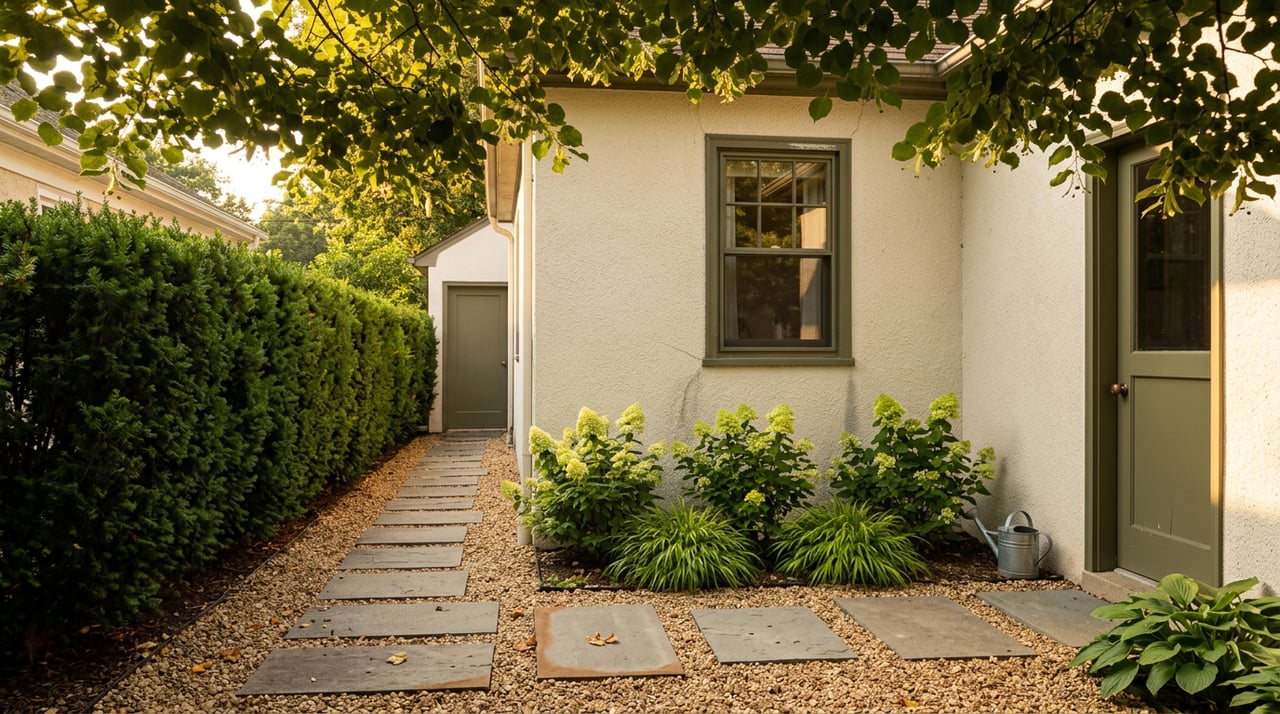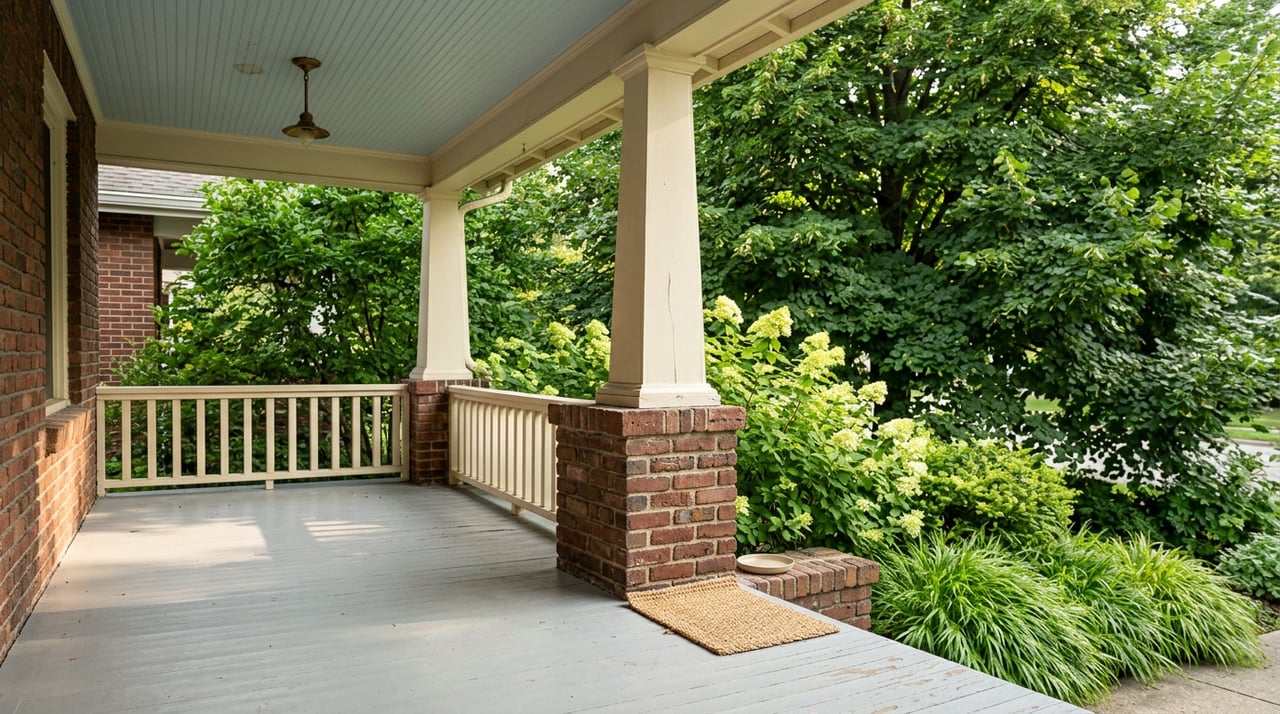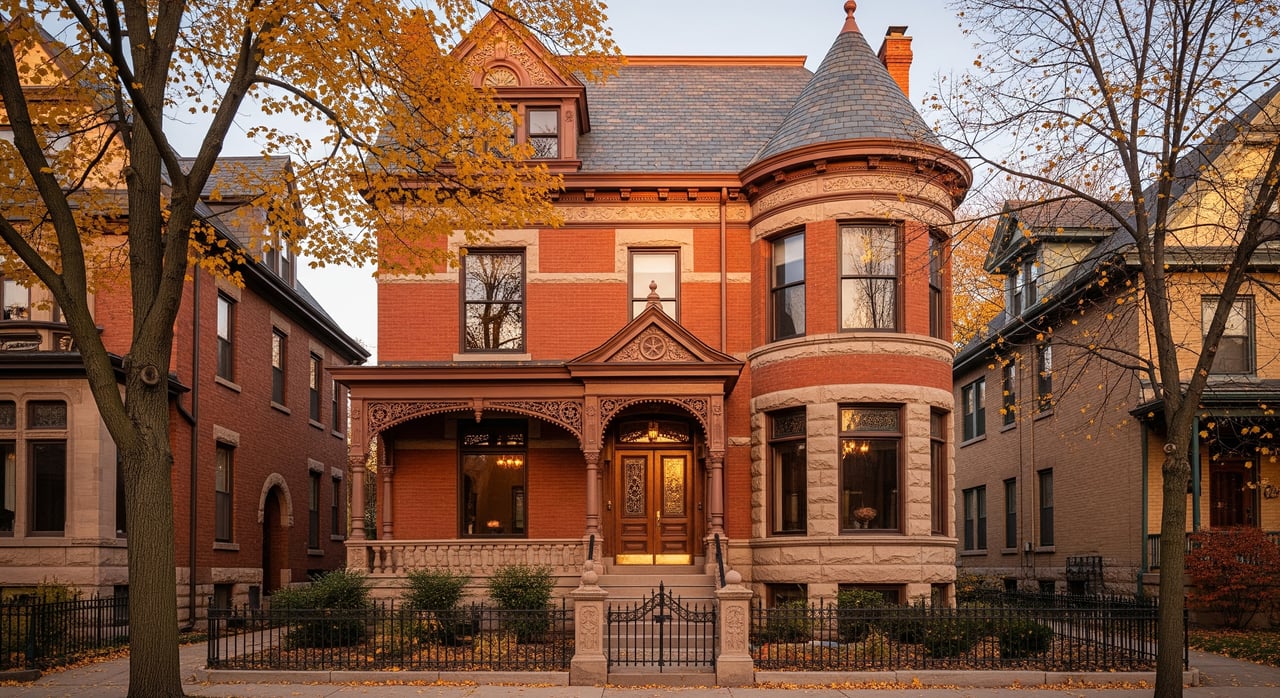
Thinking about new windows, fresh siding, or an addition on your Summit Hill home? You are not alone. Owning a character property along Summit Avenue is both a joy and a responsibility, and it often comes with a few extra steps before you pick up a hammer. The good news: with a clear plan and the right documentation, you can protect your home’s charm while getting your project approved.
This guide walks you through how Saint Paul’s preservation review typically works in Summit Hill, what projects usually need approval, realistic timelines, and how to prepare a winning submittal. You will also find practical tips to avoid common setbacks. Let’s dive in.
What historic rules apply in Summit Hill
In Summit Hill, the main layer that affects your exterior work is local historic designation and Saint Paul’s preservation ordinance. If your project will change what is visible from the public street, you can expect a city review before work begins.
- City preservation review is the primary authority for private exterior work in locally designated districts. The Heritage Preservation Commission (HPC) or staff will evaluate your plans for compatibility.
- Minnesota’s State Historic Preservation Office (SHPO) provides technical guidance and oversees state and federal programs. SHPO usually becomes involved when a project uses state or federal incentives or permits.
- A National Register listing is honorary. It does not restrict private work by itself unless federal funds or permits are involved.
The shared goal across these layers is simple: preserve historic materials and character, repair when feasible, and ensure any new work is compatible. Saint Paul commonly uses the Secretary of the Interior’s Standards for Rehabilitation as the yardstick for decisions.
What work usually needs review
Most exterior changes visible from the sidewalk require preservation review. Interior work is typically outside the HPC’s scope unless tied to a program that triggers oversight. Below are common projects and what the city often looks for.
Windows: repair first, match if replacing
Review focuses on what you see from the street. That includes sash profiles, muntin patterns, trim dimensions, and how deep the window sits in the wall.
- Repair of original wood windows is encouraged and often preferred. Weatherstripping, reglazing, and sash repair can improve comfort without altering appearance.
- Full replacement with vinyl or aluminum that changes sightlines or muntin patterns is often discouraged for primary facades.
- Storm windows that preserve the original profile are usually acceptable and can be a smart energy upgrade.
- If replacement is necessary, match the historic look. Align material, configuration, muntin pattern, and trim, or provide a compatible, clearly differentiated solution.
Practical tip: Before budgeting for replacements, request preservation feedback. Like-for-like work may qualify for administrative approval if your documentation is complete.
Siding and exterior cladding: keep the original
Expect close attention to whether historic materials are retained or covered.
- Preserve and repair original wood siding or masonry whenever possible.
- Applying synthetic cladding over original siding can alter scale and hide details. This is often discouraged, especially on front elevations.
- When replacement is unavoidable, use in-kind materials that match the original profile, dimensions, and finish.
Practical tip: If later materials cover original siding, evaluate what is underneath before making decisions. Bring samples and specs when proposing any replacement.
Additions and porches: subordinate and compatible
Additions and porch changes can be approved when they respect the original structure and streetscape.
- Keep additions subordinate in size and massing. Rear or side locations, set back from the main facade, are often more acceptable.
- Porches and entries are character-defining. Alterations receive careful scrutiny to protect original proportions and details.
- New construction should relate to nearby height, roof pitch, and materials while staying identifiable as new on close inspection.
Practical tip: Provide drawings that show street views and how the new volume reads from the public way.
Demolition or removal: higher-level review
Removing character-defining features or large portions of a structure can trigger a more formal review. Be ready with clear justification and alternatives analysis.
Accessibility and energy upgrades: minimize visual impact
Sensitive interventions such as ramps, mechanical equipment, and insulation are reviewed for visibility and impact on historic features. Interior insulation and storm windows are often favored over exterior changes that alter the look.
How the Saint Paul review process works
Every project is different, but you can rely on a consistent sequence. Understanding the steps reduces back-and-forth and keeps your schedule realistic.
Step 1: Confirm local designation
Verify whether your property sits within a locally designated historic district or has local landmark status. Local designation is what triggers preservation review for exterior changes.
Step 2: Schedule a pre-application conversation
A brief meeting with Saint Paul preservation staff can confirm what level of review you need, what documents to gather, and whether your scope may be eligible for administrative approval.
Step 3: Prepare complete documentation
Typical submittals include existing-condition photos, a short narrative, measured drawings or elevations, and material samples or product sheets. The more complete your package, the faster the review.
Step 4: Understand review types
- Administrative review: Routine or in-kind work may be approved by staff. When documentation is complete, processing often takes a few weeks.
- Full HPC review: Significant changes, additions, demolitions, or non-matching replacements usually go to a public hearing. From application to decision, plan for about 4 to 10 weeks depending on schedules and revisions.
- Parallel permits: Preservation review is separate from building and zoning permits. You will usually need both, and timing often runs in parallel once preservation approvals are in progress.
Timelines to plan for
- Administrative preservation review: often a few weeks with complete documentation.
- HPC hearing and decision: commonly 4 to 10 weeks.
- Building permits: varies by scope. Simple permits can be weeks; larger projects take longer.
- Project planning to start of construction: often 2 to 4 months for smaller scopes and 3 to 9 months for larger additions, depending on complexity and revisions.
Planning tips for Summit Hill owners and buyers
Use these practical steps to set your project up for success.
- Confirm designation status early. Know whether your property is locally designated and what that means for exterior work.
- Do a condition assessment. Ask a contractor or preservation architect to evaluate repair options before proposing replacements.
- Meet with preservation staff. A short pre-application discussion can clarify your path and prevent delays.
- Document clearly. Provide photos, measured drawings, material specs, and a concise narrative that explains your approach.
- Prioritize repair and reversibility. Use storms and targeted repairs to boost performance without altering character.
- If replacing, match the appearance. Align sightlines, profiles, muntins, and trim. Be ready to show product data and samples.
- Keep additions subordinate. Set new volumes back from the front and use compatible materials without creating a false historic look.
- Build in time. Allow room for review cycles and possible revisions in your schedule and budget.
- Explore resources. Ask city staff or SHPO about technical guidance and whether incentives apply to your situation.
- Hire experienced pros. Work with contractors and designers who know historic materials and local review practices.
Pre-application checklist
Bring these items to your initial conversation with preservation staff:
- Photographs of all facades and key details such as windows, trim, and porches
- A simple site plan and elevation sketches or measured drawings showing proposed changes
- Product data sheets or samples for windows, siding, roofing, and other materials
- Contractor or designer contact information and references for similar work
- Any historic photos or documentation that show original appearance
Common pitfalls to avoid
- Starting work before approval. Unapproved work can mean fines, required restoration, or sale complications.
- Under-documenting your proposal. Incomplete submittals cause delays and extra cycles.
- Choosing incompatible materials. Products that change profiles, proportions, or textures are commonly denied for front elevations.
- Ignoring visibility. What the public can see gets the closest scrutiny.
- Over-scaling additions. Keep new massing subordinate so the original building remains readable.
Buying in Summit Hill? How to evaluate a property
If you are shopping for a Summit Hill home, factor preservation review into your plans.
- Verify local historic status and whether prior work was approved.
- Look closely at windows, porches, and siding. Original elements in fair condition can often be repaired rather than replaced.
- Ask for past permits and documentation. This helps you understand the home’s update history.
- Budget realistic time for review and design if you plan exterior changes.
- Get early advice from preservation staff or experienced professionals on feasibility and likely review paths.
Work with a preservation-minded guide
Character homes reward careful planning. If you want help scoping repairs versus replacements, estimating timelines, or preparing a clean submittal package, connect with a local pro who blends design literacy with practical execution. For buyer and seller representation, renovation counsel, and premium listing marketing tailored to historic and mid-century properties, reach out to Claire Johnston. Let’s create a plan that protects your home’s story and moves your project forward.
FAQs
Does a National Register listing restrict my project in Summit Hill?
- National Register status is honorary for private owners. Local historic designation and Saint Paul’s ordinance are what trigger review of exterior changes.
Can I replace original wood windows with vinyl in Saint Paul?
- Wholesale vinyl replacements that change the look are often discouraged for primary facades. Repair or in-kind wood replacement that matches profiles and patterns is usually favored.
Are additions allowed on Summit Hill homes?
- Yes, when they are subordinate in size, sensitively located, and compatible in materials and massing. Rear or side additions set back from the front are commonly more acceptable.
Do I need both a building permit and a historic review?
- In most cases, yes. Preservation review addresses compatibility, while building permits cover code and safety. The processes are separate and often run in parallel.
Are there grants or tax credits for historic repairs?
- Often only for income-producing properties and typically tied to strict rehabilitation standards. Check with city staff and Minnesota SHPO for current programs.
What happens if I start exterior work without approval in a historic district?
- You may face enforcement, required reversal of the work, fines, and complications at resale. Always confirm requirements before you begin.